Cherry Blossom in Korea 2026: Best Spots, Timing, and Travel Tips

Cherry Blossom in Korea 2026: Best Spots, Timing, and Travel Tips

Every spring, South Korea transforms into a breathtaking canvas of soft pink and white as cherry blossom trees burst into bloom from the southern island of Jeju all the way up to Seoul. The cherry blossom season in Korea is one of the most anticipated events of the year, drawing millions of visitors who come to stroll beneath tunnels of delicate petals, snap stunning photographs, and enjoy vibrant festivals. If you are planning to witness cherry blossom Korea 2026, this comprehensive guide covers everything you need — from exact bloom forecasts and the best viewing spots to photography tips and travel planning advice.
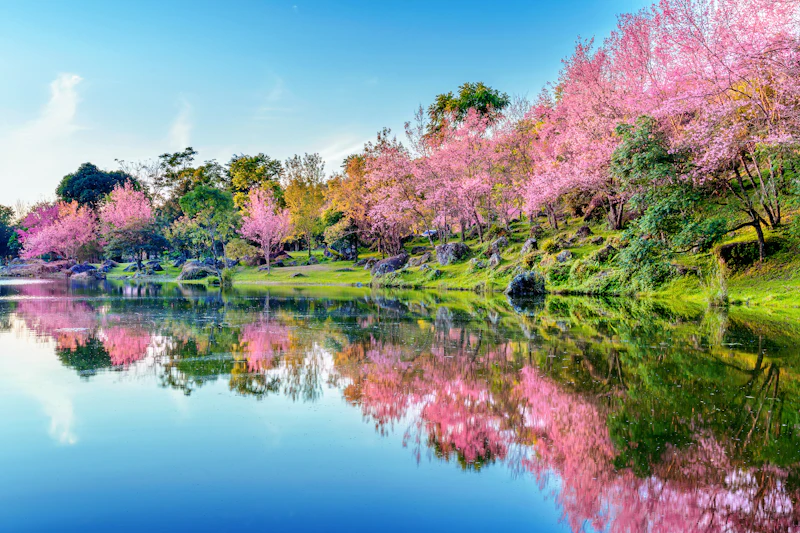
Cherry blossom trees in full bloom in South Korea
Cherry blossom trees paint Korea in shades of pink every spring

TL;DR — Cherry Blossom Korea 2026 at a Glance

  • When: Late March (Jeju) through mid-April (Seoul and Gangneung). Peak blooms last roughly 7 to 10 days per region.
  • Top spots: Jinhae (largest festival), Gyeongju (historic backdrop), Yeouido in Seoul, and Jeju Cherry Blossom Road.
  • Book early: Hotels near popular cherry blossom areas sell out weeks in advance. Secure accommodation at least 2 months ahead.
  • Best tip: Follow the bloom northward — start in Jeju in late March, end in Seoul by mid-April for the longest cherry blossom experience.
  • Getting around: KTX high-speed trains connect all major cherry blossom cities. A Korea Rail Pass saves money on multi-city trips.

Cherry Blossom Season 2026: Bloom Forecast by Region

The cherry blossom front moves from south to north across the Korean peninsula over roughly three weeks. Weather conditions such as temperature fluctuations and rainfall can shift bloom dates by a few days, but the general pattern remains consistent year after year. Below is the expected cherry blossom forecast for Korea 2026 based on historical data and early meteorological projections.

Region First Bloom (Expected) Full Bloom (Peak) Best Viewing Period
Jeju Island March 22 – 25 March 28 – April 1 Late March to early April
Busan March 27 – 30 April 2 – 6 Early April
Jinhae (Changwon) March 28 – 31 April 3 – 7 Early April
Gyeongju March 29 – April 1 April 4 – 8 Early April
Seoul April 5 – 8 April 10 – 14 Mid-April
Gangneung (East Coast) April 6 – 9 April 11 – 15 Mid-April

Pro tip: The Korea Meteorological Administration (KMA) releases official cherry blossom forecasts in early March each year. Check their updates closer to the season for the most accurate dates. Full bloom typically lasts about one week before petals begin to fall, creating the magical “cherry blossom snow” effect.

Best Cherry Blossom Spots in Seoul

Seoul may be the last major city to see cherry blossoms each spring, but it offers some of the most accessible and photogenic viewing spots in the country. The city’s well-connected subway system means you can visit multiple locations in a single day. Here are the top cherry blossom spots in the capital.

Yeouido Hangang Park and the National Assembly

Yeouido is arguably the most famous cherry blossom destination in Seoul. The area around the National Assembly building features a stunning 1.7-kilometer boulevard lined with approximately 1,800 cherry blossom trees that form a complete canopy overhead. During peak bloom, the Yeouido Spring Flower Festival attracts over a million visitors. The boulevard is closed to traffic during the festival, allowing pedestrians to walk freely beneath the blossoms. Street food vendors, live performances, and photo zones add to the festive atmosphere. For the best experience, visit early in the morning on a weekday to avoid the heaviest crowds.

How to get there: Take Seoul Metro Line 5 to Yeouinaru Station, Exit 1.

Seokchon Lake (Lotte World Tower)

Seokchon Lake, nestled beside the towering Lotte World Tower, is framed by roughly 1,000 cherry blossom trees that create a picture-perfect ring of pink around the lake’s circumference. The combination of cherry blossoms reflected in the calm water with the 555-meter Lotte World Tower rising in the background produces some of the most iconic spring photographs in Seoul. A walking path circles the entire lake, making it easy to find your ideal vantage point. At night, the trees are illuminated, offering a completely different but equally beautiful experience.

How to get there: Take Seoul Metro Line 2 or 8 to Jamsil Station, Exit 2 or 3.

Namsan Mountain and N Seoul Tower

The slopes of Namsan Mountain transform into a sea of pink and white every April. The winding pathways leading up to N Seoul Tower are lined with cherry blossom trees, offering a rewarding combination of gentle hiking and flower viewing. The panoramic views of Seoul from the upper sections of the mountain are spectacular during cherry blossom season, with the city framed by blooming trees on every side. Take the Namsan Cable Car for an aerial view of the blossoms, or walk up from Namsan Library for a more immersive experience.

How to get there: Take Seoul Metro Line 4 to Myeongdong Station, Exit 3, then walk toward Namsan Cable Car.

Olympic Park

Olympic Park is a hidden gem for cherry blossom viewing, often overlooked by international tourists in favor of Yeouido and Seokchon Lake. The park’s expansive grounds feature wide cherry blossom-lined avenues that are significantly less crowded than other popular spots. The combination of modern sculpture installations, open green spaces, and cherry blossom canopies creates a unique and peaceful setting. The Mongchontoseong Fortress walking trail within the park is particularly beautiful during peak bloom.

How to get there: Take Seoul Metro Line 5 to Olympic Park Station, Exit 3.

Best Cherry Blossom Spots in Busan

As Korea’s second-largest city and a major coastal metropolis, Busan offers cherry blossom experiences that combine floral beauty with ocean views, riverside walks, and the city’s famously laid-back atmosphere. Cherry blossoms typically arrive in Busan about a week before Seoul, making it a great first stop on a cherry blossom itinerary.

Samnak Riverside Park

Samnak Riverside Park stretches along the Nakdong River and is home to one of the longest cherry blossom corridors in Busan. The park’s flat, paved paths are perfect for cycling or leisurely walks beneath a dense canopy of cherry trees. The riverside setting adds a scenic dimension that few other spots can match, with blossoms reflected in the calm water on still mornings. Samnak is popular with locals but less well-known among international visitors, making it a wonderful escape from the more crowded tourist areas.

How to get there: Take Busan Metro Line 2 to Deokpo Station, Exit 3.

Dalmaji Hill (Moontan Road)

Dalmaji Hill, located between Haeundae and Songjeong beaches, is one of Busan’s most scenic roads and becomes even more magical during cherry blossom season. The winding hillside road is flanked by cherry trees that create a dreamy tunnel effect, with glimpses of the East Sea visible through gaps in the blossoms. The area is dotted with charming cafes and galleries where you can enjoy a coffee while gazing out over the blossoms and the ocean. It is the perfect spot for a romantic afternoon stroll or a scenic drive.

How to get there: Take Busan Metro Line 2 to Haeundae Station, then bus 100 or 139 to Dalmaji Hill.

Oncheoncheon Stream

This gentle urban stream winds through Busan’s Dongnae district with cherry blossom trees planted along both banks. A well-maintained walking and cycling path follows the stream for several kilometers, creating one of the most pleasant cherry blossom walks in the city. At night, the cherry trees are illuminated with soft lighting that reflects off the water, creating a magical atmosphere that draws both locals and visitors for evening strolls. The stream is also a wonderful spot for casual photography, with stone bridges and small waterfalls adding interest to compositions.

How to get there: Take Busan Metro Line 1 to Oncheonjang Station, Exit 5.
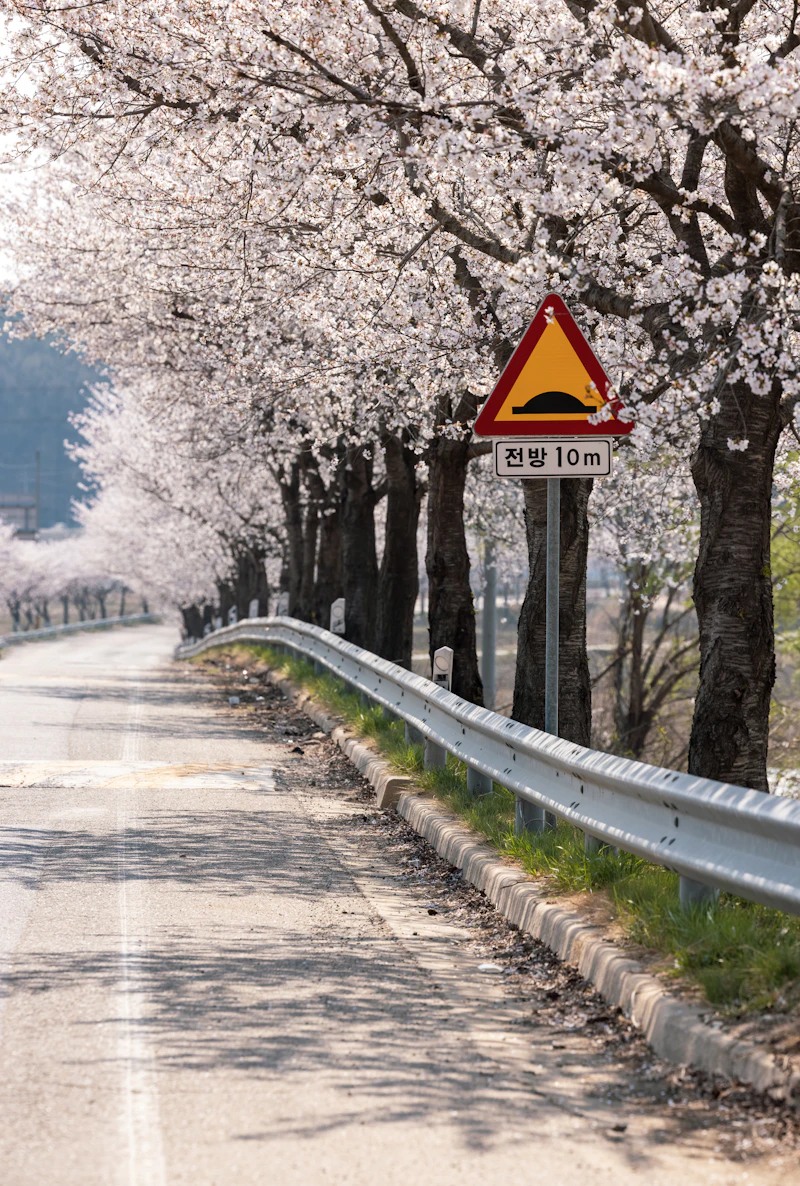
Cherry blossom lined street in Korea during spring
Cherry blossom-lined streets are a quintessential spring experience in Korea

Best Cherry Blossom Spots in Gyeongju

Gyeongju, the ancient capital of the Silla Kingdom, offers a uniquely atmospheric cherry blossom experience. Ancient tombs, temple grounds, and historic ruins draped in soft pink blossoms create scenes that feel transported from another century. Gyeongju is a manageable day trip from Busan or a worthwhile overnight destination during cherry blossom season.

Bomun Lake Resort Area

Bomun Lake is surrounded by a scenic road lined with thousands of cherry blossom trees that form a continuous canopy over the entire route. The lake area was developed as a tourism complex, so the infrastructure is excellent — wide sidewalks, ample parking, and well-placed benches for resting and enjoying the views. Renting a bicycle is one of the most enjoyable ways to experience the blossoms here, as the flat terrain around the lake makes for easy riding. Pedal boats are also available on the lake, allowing visitors to enjoy the cherry blossoms from the water.

How to get there: From Gyeongju Bus Terminal, take bus 10 or 100 to Bomun Tourist Complex.

Bulguksa Temple Area

The road leading up to Bulguksa Temple, a UNESCO World Heritage Site, is lined with cherry blossom trees that add another layer of beauty to an already stunning cultural landmark. The contrast between the ancient stone architecture of the temple and the delicate pink blossoms creates unforgettable photographs. Visiting Bulguksa during cherry blossom season allows you to combine cultural exploration with natural beauty. Arrive early in the morning to enjoy the peaceful atmosphere before tour groups arrive.

How to get there: From Gyeongju Bus Terminal, take bus 10 or 11 to Bulguksa Temple.

Gyerim Forest and Tumuli Park

The ancient Gyerim Forest and the nearby Daereungwon Tumuli Park (Royal Tombs) offer one of the most uniquely Korean cherry blossom experiences. Cherry blossom trees stand alongside the gentle grass-covered burial mounds of Silla-era kings and queens, creating a hauntingly beautiful landscape. The area is large enough that even during busy periods, you can find a quiet corner to enjoy the blossoms in relative solitude. Walking from Gyerim through to Cheomseongdae Observatory and Anapji Pond covers several of Gyeongju’s top attractions in a single cherry blossom-filled route.

How to get there: From Gyeongju Bus Terminal, take bus 11 or walk 20 minutes.

Best Cherry Blossom Spots in Jinhae — Korea’s Number One Cherry Blossom Festival

Jinhae, a district of Changwon city near Busan, hosts the largest cherry blossom festival in South Korea — the Jinhae Gunhangje Festival. With over 350,000 cherry blossom trees, Jinhae transforms into the undisputed cherry blossom capital of Korea each spring. The festival typically runs for about 10 days in late March to early April and attracts over two million visitors. If you only have time for one cherry blossom destination in Korea, Jinhae should be at the top of your list.

Jinhae Gunhangje Festival

The Jinhae Gunhangje Festival is a celebration of both cherry blossoms and the Korean Navy, as Jinhae is home to the Republic of Korea Naval Academy. The festival features military band performances, parades, fireworks displays, and extensive food markets alongside the main attraction — the breathtaking cherry blossom displays throughout the entire district. The festival area spans the whole of Jinhae, so it is best to plan a full day to explore the various hotspots. Key areas include Jinhae Station (a decommissioned train station surrounded by cherry trees), the Naval Academy grounds (open to the public only during the festival), and the main streets of downtown Jinhae.

Romance Bridge (Yeojwacheon Stream)

Romance Bridge over Yeojwacheon Stream is perhaps the single most photographed cherry blossom spot in all of South Korea. The narrow stream is lined on both sides by hundreds of cherry blossom trees whose branches extend over the water, creating a dense pink tunnel effect. At the center, a charming wooden bridge offers the perfect vantage point for photographs. The scene is so iconic that it has appeared in numerous Korean dramas and films. At night, the cherry blossoms along Yeojwacheon are illuminated with colorful lights, creating a romantic and ethereal atmosphere that is completely different from the daytime experience.

Gyeonghwa Station

Gyeonghwa Station is a small, now-decommissioned railway station that has become one of the most beloved cherry blossom photo spots in Korea. Old railway tracks lined with cherry blossom trees on both sides create a nostalgic and dreamlike scene. Visitors walk along the tracks beneath the canopy of blossoms, snapping photos at every turn. The combination of industrial heritage and natural beauty gives this location a special character that sets it apart from traditional parks and gardens. A short train ride on a tourist rail car is sometimes offered during the festival period.

How to get to Jinhae: Take the KTX to Changwon or Masan Station, then transfer to a local bus to Jinhae. During the festival, direct shuttle buses run from Busan and Seoul stations. The journey from Busan takes about one hour.

Best Cherry Blossom Spots in Jeju Island

Jeju Island, located off the southern coast of the Korean peninsula, is the first place in Korea where cherry blossoms bloom each year. The mild subtropical climate means that Jeju’s blossoms typically appear a full two weeks before Seoul. Jeju is home to a native species called the King Cherry Blossom (Prunus x yedoensis var. nudiflora), which produces larger and more vibrant flowers than the mainland variety. Combining a Jeju trip with cherry blossom season gives you a head start on spring and the chance to see the island’s unique volcanic landscape draped in pink.

Jeju Cherry Blossom Road (Jeonnong-ro)

Jeonnong-ro, often called Jeju Cherry Blossom Road, is the most famous cherry blossom viewing street on the island. This road stretches through the heart of Jeju City and is lined with King Cherry Blossom trees that produce exceptionally large and fluffy blooms. During peak season, the entire road becomes a tunnel of pink, and the local government often hosts a cherry blossom festival with food stalls, performances, and photo zones. The road is easily accessible from downtown Jeju City, making it a convenient stop even for visitors with limited time.

How to get there: Located in central Jeju City, accessible by local bus or taxi from Jeju International Airport (about 15 minutes).

Hallim Park

Hallim Park on the western side of Jeju Island offers cherry blossoms alongside subtropical gardens, lava caves, and folk village exhibits. The park’s cherry trees bloom around the same time as the rest of Jeju, providing a beautiful backdrop for exploring the diverse attractions within the park. The combination of cherry blossoms with the unique volcanic rock formations and palm trees creates a landscape you will not find anywhere else in Korea. Hallim Park is a particularly good option for families, as the varied attractions keep visitors of all ages entertained.

How to get there: From Jeju City Bus Terminal, take bus 202 to Hallim Park (about 50 minutes).

Cherry Blossom Photography Tips for Korea

Capturing the perfect cherry blossom photograph requires a combination of timing, technique, and a little bit of luck with the weather. Here are practical tips to help you take stunning cherry blossom photos during your Korea trip.

  • Shoot during golden hour: The warm, soft light just after sunrise and before sunset makes cherry blossoms glow with an ethereal quality. Early morning also means fewer crowds in your shots.
  • Overcast days are your friend: Cloudy skies act as a natural diffuser, eliminating harsh shadows and making the delicate pink tones of the blossoms appear more vivid and even.
  • Look down as well as up: Fallen cherry blossom petals on water, pathways, and benches create beautiful foreground subjects. Reflections of blossoms in lakes and streams can be equally compelling.
  • Include human elements for scale: A person walking beneath a cherry blossom canopy, a bicycle leaning against a tree, or a traditional hanok roof peeking through the blossoms adds narrative depth to your photos.
  • Use portrait mode for bokeh: On smartphones, portrait mode creates a pleasing blur effect that isolates individual blossom branches against a soft background. On a camera, use a wide aperture (f/2.8 or lower) for similar results.
  • Bring a zoom lens: If you are using a camera, a 70-200mm or similar telephoto lens lets you isolate individual blossom clusters and compress the perspective to make tree-lined avenues appear denser.
  • Night photography: Many cherry blossom spots in Korea offer illuminated night viewing. Use a tripod or stabilize your phone against a surface for sharp nighttime shots of illuminated blossoms.
  • Capture the falling petals: Toward the end of peak bloom, petals begin to fall like snow. A burst or continuous shooting mode helps freeze these fleeting moments.

Cherry Blossom Travel Planning Tips for Korea 2026

Planning a cherry blossom trip to Korea requires more advance preparation than a typical visit. The season is short, demand is extremely high, and the best experiences go to those who plan ahead. Here is what you need to know.

Book Hotels Early

Accommodation near popular cherry blossom spots fills up fast — especially in Jinhae, Gyeongju, and the Yeouido area of Seoul. If you are visiting during peak bloom, aim to book your hotel at least two months in advance. Prices also increase significantly during cherry blossom season, so early booking often means better rates.

Recommended: Search and compare hotels across South Korea on Agoda for the best selection and prices during cherry blossom season. Agoda frequently offers exclusive deals on Korean hotels that are not available on other platforms.

Managing Crowds

Cherry blossom season is one of the busiest travel periods in Korea. Here are strategies for avoiding the worst of the crowds:

  • Visit on weekdays: Weekends during peak bloom are extremely crowded, especially at Yeouido and Jinhae. If possible, schedule your cherry blossom viewing for Tuesday through Thursday.
  • Go early morning: Arrive at popular spots before 8:00 AM for a dramatically different (and less crowded) experience.
  • Explore lesser-known spots: Olympic Park in Seoul, Samnak Riverside in Busan, and Gyerim Forest in Gyeongju are all beautiful but see a fraction of the visitors that headline spots receive.
  • Stay near the action: Booking a hotel within walking distance of cherry blossom spots lets you visit during off-peak hours without worrying about transportation schedules.

Transportation Tips

The KTX high-speed rail network connects Seoul, Busan, Gyeongju, and other major cities efficiently. A Korea Rail Pass (KR Pass) offers unlimited travel on most trains for a set number of days and is excellent value for multi-city cherry blossom trips. During the Jinhae festival, special shuttle buses operate from Busan and other nearby cities. In Seoul, the subway system provides easy access to all major cherry blossom spots. Consider purchasing a T-money card for convenient payment on all public transportation.

What to Wear

Spring weather in Korea can be unpredictable. Daytime temperatures during cherry blossom season typically range from 10 to 18 degrees Celsius, but mornings and evenings can be chilly. Dress in layers and bring a light jacket or cardigan. Comfortable walking shoes are essential, as you will likely cover several kilometers on foot each day. A light scarf in pink or white complements cherry blossom photographs beautifully.

What to Eat During Cherry Blossom Season in Korea

Spring in Korea brings not only beautiful blossoms but also a wonderful array of seasonal foods and limited-edition treats that celebrate the cherry blossom theme. Here is what to look for during your visit.

  • Cherry blossom-themed desserts: Cafes across Korea release special cherry blossom menus in spring. Look for cherry blossom lattes, pink macarons, cherry blossom mochi, and floral-flavored ice cream. Major chains like Starbucks Korea and local cafes alike offer limited-edition spring drinks.
  • Hwajeon (flower pancakes): These traditional Korean rice cakes are decorated with edible flower petals, including cherry blossoms. They are a beautiful and delicious spring treat often found at traditional tea houses and festival food stalls.
  • Street food at festivals: Cherry blossom festivals like the Jinhae Gunhangje feature extensive food markets with Korean street food classics — tteokbokki (spicy rice cakes), hotteok (sweet pancakes), gimbap (Korean sushi rolls), and freshly grilled skewers.
  • Spring strawberries: Korean strawberries are at their peak during cherry blossom season. Look for fresh strawberry desserts, strawberry mochi, and strawberry-topped bingsu (Korean shaved ice).
  • Seasonal bibimbap: Many restaurants offer spring versions of bibimbap featuring fresh spring vegetables like bracken fern, shepherd’s purse, and other wild greens harvested in the mountains.
  • Cherry blossom makgeolli: This traditional Korean rice wine gets a spring makeover with cherry blossom-infused varieties that have a subtle floral flavor and a pretty pink tint. Try it at outdoor pojangmacha (tent bars) for the full experience.

Explore More of South Korea

Cherry blossom season is the perfect time to explore the best of what South Korea has to offer. Each major city has its own unique character, attractions, and culinary scene waiting to be discovered beyond the blossoms. Use our detailed city guides to plan your complete Korean adventure.

Planning your accommodation for cherry blossom season? Browse hotels across South Korea on Agoda and lock in the best rates before peak season drives prices up.

Frequently Asked Questions About Cherry Blossoms in Korea

When is the best time to see cherry blossoms in Korea in 2026?

The cherry blossom season in Korea 2026 is expected to begin in late March on Jeju Island and move northward, reaching Seoul and Gangneung by mid-April. The exact timing varies by a few days each year depending on winter and early spring temperatures. For the best chance of catching peak bloom, plan your visit for early April if heading to Busan, Jinhae, or Gyeongju, and mid-April if visiting Seoul. Following the Korea Meteorological Administration’s official forecast released in early March will give you the most up-to-date predictions.

How long do cherry blossoms last in Korea?

Once cherry blossoms reach full bloom, the flowers typically last about 7 to 10 days before the petals begin to fall. However, the entire cherry blossom season across Korea spans roughly three to four weeks as the bloom front moves from Jeju in the south to Gangneung in the northeast. If you plan a multi-city trip following the bloom northward, you could potentially enjoy cherry blossoms for two to three weeks straight.

What is the best city for cherry blossoms in Korea?

Jinhae (Changwon) is widely considered the best city for cherry blossoms in Korea due to the sheer number of trees (over 350,000), the famous Jinhae Gunhangje Festival, and iconic spots like Romance Bridge and Gyeonghwa Station. For a more cultural experience, Gyeongju pairs cherry blossoms with ancient Silla Kingdom heritage. Seoul offers the most convenient access with excellent public transportation to multiple viewing spots. Each destination has its own appeal, so the best choice depends on your interests and itinerary.

Is it worth visiting Korea just for cherry blossoms?

Absolutely. Cherry blossom season is one of the most beautiful times to visit South Korea, and many travelers plan their entire trip around it. Beyond the blossoms, spring offers comfortable weather for sightseeing, seasonal food specialties, and numerous festivals. Combining cherry blossom viewing with cultural exploration, food tours, and city sightseeing makes for an incredibly rewarding trip. Just remember that it is also peak travel season, so accommodation and popular attractions will be busier than usual.

Can I see cherry blossoms in Korea for free?

Yes, the vast majority of cherry blossom viewing spots in Korea are completely free. Public parks, riverside walkways, streets, and lake areas are all open to everyone at no cost. Even the major festivals like Jinhae Gunhangje do not charge admission. The only exceptions are attractions within paid parks such as Hallim Park on Jeju Island. Korea is one of the best destinations in the world for free cherry blossom viewing.

What should I bring for cherry blossom viewing in Korea?

Bring layers of clothing (spring temperatures range from 10 to 18 degrees Celsius with cool mornings), comfortable walking shoes, a portable phone charger (you will be taking many photos), a small picnic blanket if you want to sit beneath the trees, and allergy medication if you are sensitive to pollen. A portable Wi-Fi device or Korean SIM card is helpful for navigation and checking real-time bloom updates. Sunscreen is also recommended, as spring sunshine can be deceptively strong even at mild temperatures.
Jeonju Hanok Village Travel Guide 2026: Koreas Food Capital

TL;DR: Jeonju is South Korea’s undisputed food capital and home to one of the best-preserved hanok villages in the country. Designated a UNESCO Creative City of Gastronomy, this is where bibimbap was born, where makgeolli flows freely, and where 700+ traditional Korean houses line atmospheric cobblestone streets. Best visited April-May or September-October. Budget $35-130/day. Just 1.5 hours from Seoul by KTX. This jeonju hanok village guide 2026 covers every must-see sight, the best food, transport, hanok stays, and a complete 2-day itinerary.

Why Visit Jeonju in 2026?

Jeonju is the city that feeds Korea’s soul. While Seoul dazzles with skyscrapers and Busan draws beachgoers, Jeonju quietly holds the title of the most important food city in the entire country. This is not marketing hype. UNESCO recognized Jeonju as a Creative City of Gastronomy in 2012, and every Korean knows that the best bibimbap, the best kongnamul gukbap, and some of the finest traditional cooking in the nation comes from this mid-sized city in North Jeolla Province.

But Jeonju is far more than a food destination. The Jeonju Hanok Village is one of the largest and most beautiful collections of traditional Korean houses anywhere in Korea. Over 700 hanok buildings fill a neighborhood that has remained remarkably intact while the rest of the country modernized at breakneck speed. Walking through these streets feels like stepping back centuries, except with excellent coffee shops and artisan craft stores tucked between the curved tile roofs.

In 2026, Jeonju continues to grow in international recognition. The city has invested heavily in cultural preservation, traditional arts programs, and sustainable tourism. New hanok guesthouses open regularly, the street food scene evolves each season, and the city’s hanji (traditional Korean paper) craft tradition adds yet another cultural layer to explore.

If you only visit Seoul and Busan in Korea, you are missing the heart of Korean culture. Jeonju is where Koreans themselves go to experience their own heritage, and that alone should tell you everything you need to know.

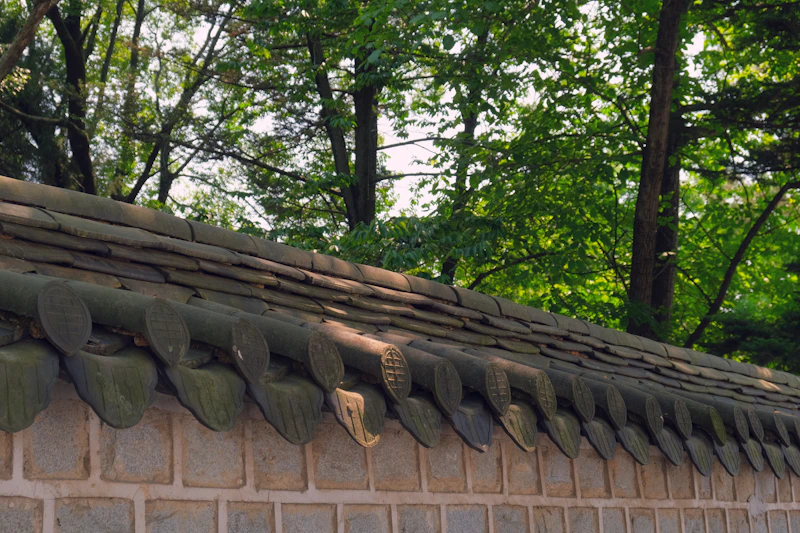
Traditional Korean hanok roof with curved tiles and intricate wooden details in Jeonju Hanok Village
Traditional hanok roof architecture in Jeonju – the curved tile roofs and wooden details have been preserved for centuries

Best Time to Visit Jeonju

Jeonju has a continental climate with four distinct seasons. The city sits inland, so summers are hotter and winters colder than coastal cities like Busan.

Season Months Temperature Best For Crowd Level
Spring Mar – May 10 – 24 C Cherry blossoms, Jeonju Film Festival, perfect walking weather High
Summer Jun – Aug 24 – 33 C Festivals, vibrant nightlife, makgeolli season Very High
Autumn Sep – Nov 10 – 26 C Bibimbap Festival, fall colors, ideal temperatures High
Winter Dec – Feb -4 – 7 C Budget deals, warm soups, quiet hanok village Low

Our pick: Visit in late April to mid-May for the perfect combination of mild weather (18-24 C), cherry blossoms around Deokjin Park, and the Jeonju International Film Festival. The hanok village is gorgeous in spring light, and outdoor dining is at its best.

Also excellent: Late September through October brings the Jeonju Bibimbap Festival, stunning autumn foliage, and comfortable temperatures without summer humidity. This is arguably the most photogenic time to visit the hanok village.

Avoid: Late July through mid-August brings monsoon rains and oppressive humidity. Temperatures often exceed 33 C with high humidity, making walking around the village exhausting. The hanok village is also packed with domestic tourists during summer school holidays.

Budget tip: Winter (December-February) offers the cheapest hanok stays and the most peaceful village experience. Jeonju’s famous hot soups like kongnamul gukbap taste even better in cold weather. Heated ondol floors in traditional hanok rooms are genuinely cozy.

Must-Visit Places in Jeonju

1. Jeonju Hanok Village

The centerpiece of any Jeonju trip and one of the most important cultural heritage sites in South Korea. The Jeonju Hanok Village contains over 700 traditional Korean houses (hanok) concentrated in a single neighborhood, making it the largest urban hanok settlement in the country. Unlike reconstructed tourist villages, many of these buildings are original structures that have been continuously maintained and lived in for generations.

The village is organized around a grid of narrow streets and alleyways. The main road, Taejo-ro, runs through the center and is lined with restaurants, cafes, souvenir shops, and street food vendors. Step off the main drag into the side alleys, though, and you find the real magic: quiet residential hanok with beautiful gardens visible through wooden gates, small workshops where artisans practice traditional crafts, and tiny teahouses serving hand-brewed teas.

Pro tip: Renting a hanbok (traditional Korean dress) is hugely popular here, and wearing one gets you free entry to several attractions including Gyeonggijeon Shrine. Rental shops are everywhere and cost around 15,000-20,000 KRW for two hours. Visit on a weekday morning before 10am for the most peaceful experience. The village is free to enter and open 24 hours, though most shops operate from 10am to 9pm.

Allow: At least half a day, ideally a full day to explore properly without rushing.

2. Gyeonggijeon Shrine

Located within the Hanok Village, Gyeonggijeon Shrine is a royal portrait hall built in 1410 during the Joseon Dynasty. It houses the portrait of King Taejo, the founder of the Joseon Dynasty, who traced his ancestral roots to Jeonju. The shrine complex is surrounded by beautiful grounds with bamboo groves, ancient trees, and traditional gardens that change dramatically with the seasons.

The shrine gained international fame as a filming location for several popular Korean historical dramas. The bamboo forest path within the grounds is one of the most photographed spots in all of Jeonju. In spring, the cherry blossoms framing the traditional buildings create postcard-perfect scenes.

Admission: 3,000 KRW for adults (free if wearing hanbok). Open 9am-7pm (summer) or 9am-6pm (winter). Allow 1-1.5 hours to explore the full grounds.

3. Omokdae and Imokdae

Omokdae is a hilltop pavilion on the southern edge of the Hanok Village that offers the best panoramic view of the entire village and surrounding city. The site has deep historical significance as the place where Yi Seong-gye (later King Taejo) held a victory banquet after defeating Japanese pirates in 1380, years before he founded the Joseon Dynasty.

A short walk from Omokdae leads to Imokdae, another pavilion with sweeping views. The path connecting the two runs along a hillside trail shaded by trees, making it a pleasant walk in any season. At sunset, the view of the hanok rooftops turning golden is extraordinary.

Pro tip: Come 30 minutes before sunset for the best light. The walk up from the village takes about 10 minutes. Free entry. Combine with a visit to the nearby Jeonju Hyanggyo (Confucian school).

4. Jeondong Catholic Cathedral (Jeonju Hanok Cathedral)

One of the most striking buildings in Jeonju and a fascinating contrast to the traditional hanok surroundings. This Romanesque-Byzantine cathedral was built in 1914 and stands at the entrance to the Hanok Village. It is one of the most beautiful churches in Korea, with red and grey brick walls, arched windows, and a dignified presence that has watched over the village for over a century.

The cathedral stands on the site where Korean Catholic martyrs were executed in 1791 and 1801, giving it profound historical significance beyond its architectural beauty. The interior features graceful arched ceilings, stained glass windows, and a serene atmosphere that invites quiet contemplation regardless of your faith.

Visiting: Free entry. Open daily. Mass services are held regularly, so visit outside service times for a quiet experience. The exterior is particularly beautiful when illuminated at night. Allow 20-30 minutes.

5. Nambu Market

Jeonju’s largest and oldest traditional market has been operating since 1905 and remains the beating commercial heart of the city. Nambu Market is where locals shop for produce, dried goods, Korean traditional ingredients, and everyday necessities. It is also home to one of the best night markets in South Korea.

The daytime market is a sprawling maze of vendor stalls selling everything from fresh vegetables and fermented pastes to handmade tofu and local rice wines. The atmosphere is authentically Korean with vendors calling out their wares and ajumma (older Korean women) expertly selecting the best produce.

On Friday and Saturday evenings, the market transforms into the Nambu Night Market, where dozens of food stalls serve creative fusion dishes alongside traditional Korean street food. The night market has become one of Jeonju’s top attractions in its own right, drawing visitors from across the country.

Pro tip: The night market runs from 6pm to midnight on Fridays and Saturdays (hours may vary seasonally). Arrive by 7pm to beat the biggest crowds. Try the market’s famous mayak gimbap (addictive mini rice rolls) and hotteok (sweet filled pancakes). The daytime market is open daily except the second and fourth Sundays of each month.

6. Deokjin Park

A large public park in northern Jeonju famous for its stunning lotus pond. In summer (July-August), the pond is completely covered with lotus flowers in full bloom, creating one of the most beautiful natural scenes in the Jeolla region. A long arched bridge crosses the pond, and walking across it while surrounded by towering lotus plants is genuinely magical.

In spring, the park is lined with cherry blossom trees and becomes one of Jeonju’s best hanami (flower viewing) spots. The park also contains walking trails, a small amusement area, and pavilions for resting. It is a favorite spot for local families and couples on weekend afternoons.

Getting there: About 15 minutes by taxi from the Hanok Village, or take bus 79 or 119. Free entry. Best in July for lotus blooms or April for cherry blossoms. Allow 1-2 hours.

Jeonju Food Guide: Korea’s Greatest Food City

Jeonju is not merely a good food city. It is THE food city of Korea. The Jeolla Province has been considered the culinary heartland of the Korean peninsula for centuries, and Jeonju sits at its center. The city’s designation as a UNESCO Creative City of Gastronomy was a formal recognition of what every Korean already knows: if you want to eat the best Korean food, you go to Jeonju.

What makes Jeonju food special is an obsessive commitment to quality ingredients and preparation. Jeolla Province is Korea’s rice bowl, producing the finest rice in the nation. The region’s banchan (side dish) culture is legendary, with even a simple restaurant meal arriving with a dozen or more small dishes. Portions are generous, prices are reasonable, and the cooking is deeply traditional.

Dish What It Is Price Range Where to Try
Jeonju Bibimbap THE original bibimbap – rice topped with 30+ fresh vegetables, gochujang, raw egg yolk, and beef tartare in a brass bowl 10,000 – 15,000 KRW Hankookjib, Gajok Hoegwan, Sungmidang
Kongnamul Gukbap Bean sprout rice soup – Jeonju’s beloved breakfast dish served boiling hot with rice submerged in rich broth 7,000 – 9,000 KRW Sambaekjib (open since 1950s), Waegeori Kongnamul Gukbap Alley
Jeonju Choco Pie Artisan chocolate pies far superior to the packaged version – fluffy cake, real cream, quality chocolate 1,500 – 3,000 KRW each PNB Bakery (the original), shops along Taejo-ro
Makgeolli (Rice Wine) Traditional Korean rice wine – Jeonju’s makgeolli town (Makgeolli Golmok) serves it with endless free side dishes 10,000 – 15,000 KRW per kettle Makgeolli Golmok (Makgeolli Alley) in Samcheon-dong
Korean BBQ Grilled pork and beef – Jeolla Province pork is considered among the best in Korea 12,000 – 25,000 KRW per serving Restaurants near Gaeksa area, Junghwasan-dong
Pajeon (Green Onion Pancake) Crispy savory pancake loaded with green onions, often paired with makgeolli for the perfect rainy-day combo 8,000 – 15,000 KRW Makgeolli Alley restaurants, Nambu Market

Jeonju Bibimbap: The Original and the Best

Every Korean city claims their local dishes are the best, but with bibimbap, there is no debate. Jeonju bibimbap is the original, and it remains the definitive version. What makes it different from the bibimbap you get in Seoul or abroad is the sheer number and quality of ingredients. Authentic Jeonju bibimbap includes over 30 different toppings: bean sprouts grown in Jeonju’s famous mineral water, fernbrake, spinach, radish, bellflower root, mushrooms, jujubes, ginkgo nuts, pine nuts, raw egg yolk, and seasoned raw beef. It is served in a brass bowl (not the stone pot used elsewhere) with rich, complex gochujang made from locally fermented peppers.

A proper Jeonju bibimbap meal is an event. The main dish arrives surrounded by a constellation of banchan, and the total experience is closer to a royal Korean feast than the quick lunch bibimbap has become in other cities. Do not leave Jeonju without eating bibimbap at least once.

Makgeolli Alley: The Ultimate Korean Drinking Experience

Makgeolli Golmok (Makgeolli Alley) in the Samcheon-dong neighborhood is one of the most unique dining and drinking experiences in all of Korea. Order a kettle of milky, slightly sweet makgeolli (Korean rice wine), and the restaurant brings out plate after plate of complimentary side dishes. These are not token bar snacks. You receive full portions of pajeon, tofu, kimchi, japchae, fried chicken, and more. Order another kettle, and more dishes arrive. The value is extraordinary and the atmosphere is boisterous and joyful.

Makgeolli Alley has been operating this way for decades and remains a beloved tradition. Most restaurants open in the late afternoon and stay busy until late evening. Go with friends if possible because the communal, convivial atmosphere is a huge part of the experience.

Kongnamul Gukbap: The Perfect Breakfast

If bibimbap is Jeonju’s crown jewel, kongnamul gukbap is its daily bread. This deceptively simple bean sprout rice soup is what Jeonju residents eat for breakfast, for hangovers, for comfort, and for practically every occasion. The broth is made by slowly simmering bean sprouts (grown in Jeonju’s mineral water, which local lore credits for their exceptional flavor) until it becomes rich and deeply flavored. A raw egg is cracked into the boiling stone pot, rice is stirred in, and the entire bowl arrives at your table still bubbling furiously.

The best kongnamul gukbap restaurants have been perfecting their recipe for decades. Many open as early as 5am to serve the morning crowd. It is affordable, warming, healthy, and exactly the kind of humble, honest food that defines Jeonju’s culinary identity.

Getting to Jeonju

Jeonju is well connected to Seoul and other major Korean cities. The KTX high-speed train has made it an easy day trip or weekend destination from the capital.

From Method Duration Cost (one-way) Frequency
Seoul (Yongsan) KTX high-speed train 1 hour 30 min 33,000 – 46,000 KRW Every 30-60 min
Seoul (Express Bus) Express bus from Central Terminal 2 hours 40 min 17,000 – 25,000 KRW Every 15-30 min
Busan KTX (transfer at Iksan) 2 hours 30 min 40,000 – 55,000 KRW Several daily
Incheon Airport Airport limousine bus 3 hours 30 min 28,000 KRW Several daily
Gwangju Express bus 1 hour 30 min 9,000 – 13,000 KRW Every 30 min

Our recommendation: Take the KTX from Seoul Yongsan Station. At just 1.5 hours, it turns Jeonju into a comfortable day trip, though we strongly recommend staying at least one night to experience the hanok village in the evening and enjoy the Makgeolli Alley nightlife. Book KTX tickets via the Korail website or app in advance, especially on weekends and holidays.

Getting around Jeonju: The Hanok Village and most major attractions are walkable once you arrive. From Jeonju Station, take bus 119, 142, or 165 to the Hanok Village (about 15 minutes). Taxis within the city are affordable, rarely exceeding 5,000 KRW for trips within the central area. The city also offers a hop-on-hop-off tourist bus that connects major sites for 5,000 KRW per day.

Where to Stay in Jeonju

Staying in a traditional hanok guesthouse is one of the highlights of visiting Jeonju and something we strongly recommend. Sleeping on a yo (thin mattress) on a heated ondol floor inside a centuries-old wooden building is an experience you simply cannot get in a modern hotel. Many hanok stays include traditional Korean breakfast and the chance to participate in cultural activities like tea ceremony or hanji papermaking.

The Jeonju Hanok Village has dozens of hanok guesthouses ranging from basic budget rooms to luxurious renovated hanok with modern amenities. Staying inside the village means you can explore the quiet morning streets before the day-trippers arrive and enjoy the atmospheric lantern-lit alleys at night.

For those who prefer modern comforts, several quality hotels and motels are located just outside the village within easy walking distance.

Recommended Jeonju Accommodations

Hanok Stays (Traditional Experience):

  • Yeonwoodang Hanok – A beautifully maintained traditional hanok in the heart of the village. Authentic ondol heated rooms, peaceful courtyard garden, and warm hospitality from the owners. One of the most popular hanok stays for a reason.
  • Haengbokhyun Hanok Dockchae Pension – A charming pension-style hanok offering a wonderful balance of traditional architecture and modern convenience. Great for couples and families who want the hanok experience with a few extra comforts.
  • Cheongsachorong Taejoro Pension – Located right on the main Taejo-ro street, this pension offers easy access to all the village attractions. Clean, well-maintained rooms with traditional Korean aesthetics and friendly staff.

Modern Hotels:

  • Gloucester Hotel Jeonju – The best modern hotel option near the Hanok Village. Western-style rooms with full amenities, on-site restaurant, and professional service. Ideal if you want air conditioning and a proper bed after a day of village exploration.
  • Jeonju Story Motel – A solid budget option with clean, modern rooms just outside the village. Korean motels (called “motel” but functioning as budget hotels) offer excellent value with amenities like big TVs, fast wifi, and toiletries included.

Pro tip: Book hanok stays well in advance for weekend visits, especially during spring (April-May) and autumn (September-October) peak seasons. Weekday rates are often 30-50% cheaper than weekends.

Search Jeonju Hotels on Agoda

Jeonju Budget Breakdown

Jeonju is one of the most affordable travel destinations in South Korea. Food costs less than Seoul, accommodation (especially hanok stays) offers exceptional value, and most major attractions are free or nearly free to enter.

Category Budget ($35-55/day) Mid-Range ($55-90/day) Comfort ($90-130/day)
Accommodation Budget hanok or motel: $20-30 Mid-range hanok: $40-60 Premium hanok or hotel: $60-90
Food Street food and local restaurants: $10-18 Mix of restaurants and cafes: $18-30 Full restaurant meals with drinks: $25-40
Transport Walking and buses: $2-5 Mix of bus and taxi: $5-10 Taxis and comfort transport: $8-15
Activities Free attractions and walking: $0-5 Hanbok rental and entry fees: $5-15 Full experiences and cultural classes: $10-20
Daily Total $35-55 $55-90 $90-130

Money-saving tips: Many of Jeonju’s best attractions (Hanok Village, Omokdae, Deokjin Park) are completely free. Wearing a rented hanbok gets you free entry to Gyeonggijeon Shrine and other paid sites. Kongnamul gukbap restaurants serve enormous, filling meals for under $6. Makgeolli Alley gives you practically unlimited side dishes with your drinks. Jeonju is a city where you can eat like royalty on a backpacker budget.

2-Day Jeonju Itinerary

Two days is the ideal amount of time to experience Jeonju’s highlights without rushing. Here is our recommended itinerary that balances major attractions, food experiences, and cultural immersion.

Time Day 1: Hanok Village Deep Dive Day 2: Markets, Culture, and Beyond
8:00 AM Arrive by KTX from Seoul. Drop bags at hanok guesthouse Kongnamul gukbap breakfast at Sambaekjib (opens early)
9:30 AM Rent hanbok, explore Hanok Village streets Walk to Deokjin Park for lotus pond or seasonal flowers
11:00 AM Gyeonggijeon Shrine and bamboo forest (free with hanbok) Jeonju National Museum for Jeolla Province history
12:30 PM Jeonju bibimbap lunch at Hankookjib or Gajok Hoegwan Korean BBQ lunch near Gaeksa area
2:00 PM Jeondong Catholic Cathedral and surrounding streets Explore Gaeksa area, Jeonju crafts and hanji workshops
3:30 PM PNB Bakery for choco pie, cafe hopping in village alleys Return hanbok if rented for two days, pack up
5:00 PM Climb to Omokdae pavilion for sunset over hanok rooftops Last-minute shopping for souvenirs and local snacks
6:30 PM Evening stroll through lantern-lit village streets Nambu Night Market (Fri/Sat) or farewell dinner
8:00 PM Makgeolli Alley in Samcheon-dong for rice wine and banchan KTX back to Seoul (last train around 10pm)

Day 1 focuses on immersing yourself in the Hanok Village and its immediate surroundings. The village is best explored slowly, and you will want plenty of time to wander the side streets, pop into craft shops, and try various street foods. End the day with a sunset at Omokdae and a festive evening at Makgeolli Alley.

Day 2 expands beyond the village to cover Jeonju’s broader cultural attractions. Start with the city’s signature breakfast soup, visit the beautiful Deokjin Park, and explore the historic Gaeksa area. If your second day falls on a Friday or Saturday, time your evening around the Nambu Night Market for a perfect finale.

Got more time? With a third day, consider a day trip to Maisan Provincial Park (famous for its twin horse-ear peaks and stone pagoda temple), visit the Jeonju Hanok Paper Museum for a hanji-making experience, or take a cooking class to learn how to make authentic Jeonju bibimbap at home.

Frequently Asked Questions

Is Jeonju worth visiting for just a day trip from Seoul?

Yes, Jeonju makes an excellent day trip thanks to the 1.5-hour KTX connection. You can see the Hanok Village, eat bibimbap, visit Gyeonggijeon Shrine, and climb Omokdae in a full day. However, we strongly recommend staying overnight to experience the evening atmosphere of the village and visit Makgeolli Alley. The hanok village at night, lit by lanterns with far fewer tourists, is a completely different and more magical experience than during the day.

Do I need to speak Korean to visit Jeonju?

No. The Hanok Village is very tourist-friendly with bilingual signage throughout. Most restaurants have picture menus or English translations. Younger staff at cafes and guesthouses generally speak basic English. However, Jeonju is less English-friendly than Seoul or Busan. Having a translation app like Papago on your phone is highly recommended. Learn a few basic Korean phrases and you will be warmly received.

What is the best bibimbap restaurant in Jeonju?

This is fiercely debated among locals and visitors alike. Hankookjib and Gajok Hoegwan are the two most famous and consistently excellent choices, both operating for decades. Sungmidang is another local favorite. Honestly, the quality of bibimbap across Jeonju is remarkably high, and even less-famous restaurants serve exceptional versions. Avoid the very tourist-heavy spots on the main Taejo-ro strip and instead look for restaurants filled with Korean diners.

Is it worth staying in a hanok guesthouse?

Absolutely. Sleeping in a traditional hanok is one of the defining experiences of visiting Jeonju and something you cannot easily replicate elsewhere. The heated ondol floors are surprisingly comfortable, the traditional architecture is beautiful, and waking up in a quiet hanok courtyard is genuinely special. Modern hanok guesthouses have added updated bathrooms and amenities while preserving the traditional character. If you have any interest in Korean culture and history, a hanok stay is essential.

How much time do I need in Jeonju?

Two days and one night is the sweet spot for most visitors. This gives you enough time to thoroughly explore the Hanok Village, eat at several top restaurants, visit the major sights, and experience the evening culture. One day works for a focused visit, and three days allows for day trips to nearby attractions like Maisan Provincial Park or deeper cultural experiences like cooking classes and hanji workshops.

Can I visit Jeonju with kids?

Jeonju is excellent for families. Kids love wearing hanbok and exploring the village, the street food is fun and approachable, and Deokjin Park has play areas. The flat, walkable layout of the Hanok Village is stroller-friendly on the main streets (though some side alleys are narrow). Many hanok guesthouses welcome families, and Korean restaurants are universally kid-friendly. The Jeonju Choco Pie alone will win over any child.

Gangneung and Sokcho Travel Guide 2026: Koreas East Coast Gems

TL;DR: Gangneung and Sokcho are Korea’s premier east coast destinations – pristine beaches, dramatic mountain scenery, legendary coffee culture, and the freshest seafood you will find anywhere in the country. Best visited May-June or September-October for ideal weather. The KTX now connects Seoul to Gangneung in under 2 hours, making weekend trips effortless. Budget $50-150/day depending on your style. This gangneung sokcho travel guide 2026 covers beaches, mountains, markets, food, transport, hotels, and a complete 3-day itinerary along Korea’s stunning eastern coastline.

Why Visit Korea’s East Coast in 2026?

If Seoul is Korea’s brain and Busan its party spirit, then the east coast is the country’s soul. The Gangneung-Sokcho corridor stretches along the East Sea (Sea of Japan) coastline of Gangwon Province, backed by the dramatic Taebaek Mountains and fronted by some of the clearest waters in Northeast Asia.

Think of this region as Korea’s Pacific Coast Highway – a scenic coastal stretch where every turn reveals another stunning beach, quiet fishing village, or mountain trailhead. The pace here is slower, the air is cleaner, and the seafood is caught that morning.

In 2026, the east coast continues to surge in popularity. Since the 2018 PyeongChang Winter Olympics brought the KTX high-speed rail line to Gangneung, what was once a grueling 5-hour bus ride from Seoul is now a comfortable 1 hour 50 minute train journey. Sokcho, long beloved by Korean hikers for its proximity to Seoraksan National Park, has reinvented itself with boutique cafes, craft breweries, and a thriving food scene that rivals anything in the big cities.

Whether you want to watch the sunrise over the East Sea, hike Korea’s most spectacular mountain, drink world-class coffee steps from the ocean, or feast on the freshest sashimi of your life, the Gangneung-Sokcho corridor delivers experiences you simply cannot find elsewhere in Korea.

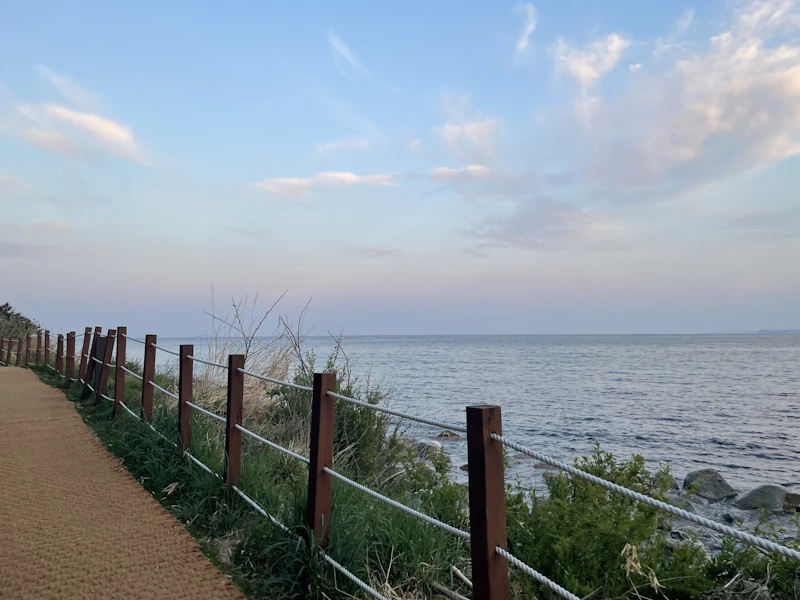
Scenic coastal walking path along Korea east coast beach with turquoise waters and pine trees in Gangneung
The stunning coastal walking paths of Korea’s east coast connect beaches and fishing villages along crystal-clear waters

Best Time to Visit Gangneung and Sokcho

The east coast has its own microclimate, distinct from both Seoul and Busan. The Taebaek Mountains block much of the summer monsoon rain, giving the coast more sunny days than the west side of the peninsula.

Season Months Temperature Best For Crowd Level
Spring Apr – May 10 – 22 C Cherry blossoms, mild hiking, fewer crowds Medium
Summer Jun – Aug 22 – 30 C Beach swimming, water sports, festivals Very High
Autumn Sep – Nov 10 – 25 C Seoraksan fall foliage, perfect weather High
Winter Dec – Feb -5 – 5 C Snow scenery, hot springs, budget deals Low

Our pick: Visit in late May to mid-June for the sweet spot of warm weather (20-25 C), minimal rain, swimmable seas, and manageable crowds. Alternatively, late September to mid-October offers spectacular fall foliage on Seoraksan – one of the first places in Korea where autumn colors appear.

Avoid: Late July through mid-August is peak domestic vacation season. Every beach and pension is fully booked, prices double, and Seoraksan hiking trails become congested single-file processions. Book months in advance if you must visit during this window.

Budget tip: Winter (December-February) brings the cheapest accommodation and the best seafood season. The east coast receives less snow than you might expect, and the frozen Seoraksan landscape is hauntingly beautiful. Many pensions slash rates by 50% or more during the off-season.

Gangneung – Coffee Capital and Cultural Heart of the East Coast

Gangneung is the larger and more accessible of the two cities, serving as the main east coast hub thanks to its KTX station. But do not mistake accessibility for blandness – this city has a cultural depth and coffee obsession that make it uniquely rewarding.

With a history stretching back over a thousand years, Gangneung blends Joseon-era heritage sites with a modern cafe culture that has earned it the unofficial title of Korea’s Coffee Capital. The city hosted several events during the 2018 Winter Olympics, bringing international attention and infrastructure upgrades that continue to benefit visitors.

Gyeongpo Beach – The East Coast’s Premier Beach

Gyeongpo Beach is a 1.8-kilometer crescent of fine white sand that serves as Gangneung’s signature attraction. Unlike the urban beaches of Busan, Gyeongpo retains a more natural feel with pine forests framing the shoreline and the Gyeongpo Lake wetland ecosystem just behind the beach.

The beach promenade is perfect for evening walks, and the surrounding area hosts numerous raw fish restaurants where you can eat sashimi while watching the waves. During summer, the beach comes alive with festivals, water sports rentals, and pop-up food stalls.

Pro tip: Walk the full Gyeongpo Eco Trail that connects the beach to Gyeongpo Lake. The 4.3-kilometer loop passes through wetlands, pine groves, and waterfront pavilions. Early morning is best for birdwatching – the lake is home to over 50 species of migratory birds. In spring, the cherry blossom tunnel along the lake is one of Korea’s most beautiful natural displays.

Anmok Coffee Street – Korea’s Most Famous Coffee Destination

Anmok Beach is home to Korea’s most celebrated coffee street – a waterfront strip of independent cafes, roasteries, and coffee shops that stretches for nearly a kilometer along the shoreline. What started with a handful of family-run cafes in the early 2000s has grown into a full-blown coffee pilgrimage destination, drawing enthusiasts from across Korea and beyond.

Each cafe has its own personality and specialty. Some roast single-origin beans on-site, others focus on elaborate dessert pairings, and a few serve traditional Korean-style coffee brewed over charcoal. The common thread is the stunning ocean view from nearly every seat.

Pro tip: Do not try to hit every cafe in one visit – there are over 30 of them. Instead, pick 3-4 based on your preferences. For serious coffee lovers, seek out the roasteries with visible roasting equipment and ask about their current single-origin offerings. For the best photo opportunities, visit during golden hour when the sunset lights up the ocean views through floor-to-ceiling windows. Weekday mornings are the most peaceful time to enjoy the scene.

Ojukheon – Birthplace of Korean Culture Icons

Ojukheon is one of the oldest surviving residential buildings in Korea, famous as the birthplace of Shin Saimdang (the artist and calligrapher featured on the 50,000 won banknote) and her son Yi I (the Confucian scholar on the 5,000 won note). This makes Gangneung the only city in Korea connected to figures on two different denominations of currency.

The compound includes the original Joseon-era black bamboo house, a municipal museum with rotating exhibits, traditional gardens, and a memorial hall. The architecture is a masterclass in restrained Korean elegance – dark wooden beams, curved tile roofs, and courtyards designed to frame mountain views.

Pro tip: Combine your visit with the nearby Gangneung Seongyojang House, a 300-year-old aristocratic estate considered one of the best-preserved examples of Joseon-era upper-class residential architecture. The two sites are a 10-minute walk apart, and a combined visit takes about 2-3 hours. Admission to Ojukheon is 3,000 KRW for adults.

Gangneung Central Market – Where Locals Actually Eat

Skip the tourist-oriented restaurants and head straight to Gangneung Central Market for the most authentic local food experience. This sprawling traditional market has been feeding Gangneung residents for decades, and the food court section is a revelation of regional specialties you will not find in Seoul.

The market is famous for its handmade tofu, Gangneung-style kalguksu (knife-cut noodle soup), and fresh seafood prepared in dozens of different ways. Vendors are friendly and accustomed to curious visitors, though English is limited – having a translation app ready helps enormously.

Pro tip: The market’s signature dish is Chodang sundubu (soft tofu), named after the Chodang neighborhood where Gangneung’s tofu tradition originated. The tofu here is made with clean East Sea water, giving it a subtle mineral sweetness you will not find elsewhere. Order it as sundubu-jjigae (soft tofu stew) for the full experience. The market is busiest and best on weekend mornings.

Jeongdongjin – The World’s Closest Train Station to the Sea

Jeongdongjin holds a Guinness World Record as the train station closest to the sea – the platform is literally steps from the ocean. Located about 20 minutes south of central Gangneung, this small coastal town has become one of Korea’s most iconic sunrise-viewing destinations.

The Jeongdongjin Sunrise Park features a giant hourglass sculpture, the famous Sun Cruise Resort (shaped like a cruise ship perched on the cliff), and tiered seating designed specifically for watching the sun emerge from the East Sea. On New Year’s Day, tens of thousands gather here for the first sunrise of the year.

Pro tip: Take the Mugunghwa (regular) train from Gangneung Station to Jeongdongjin – the 20-minute ride hugs the coastline and is one of the most scenic short train journeys in Korea. For the sunrise experience, arrive at least 30 minutes before dawn and bring warm layers even in summer, as the ocean breeze is brisk. Check sunrise times for your specific travel dates, as they vary significantly by season (roughly 5:10am in June, 7:30am in December).

Rocky coastline with waves crashing on dramatic east coast beach near Sokcho South Korea
The dramatic rocky coastline between Gangneung and Sokcho offers some of the most spectacular ocean scenery in Korea

Sokcho – Gateway to Seoraksan and Seafood Paradise

Sokcho sits about 60 kilometers north of Gangneung, right at the doorstep of Seoraksan National Park. It is smaller, grittier, and more authentically coastal than its southern neighbor. Where Gangneung has polished itself with coffee culture and Olympic-era upgrades, Sokcho retains the rough charm of a working fishing town.

This is the city where fishing boats still unload their catch at dawn, where grandmothers sell hand-caught abalone from roadside stalls, and where the smell of grilling squid fills entire neighborhoods. In recent years, a wave of younger entrepreneurs has added boutique accommodations and creative restaurants to the mix, creating an appealing blend of old and new.

Seoraksan National Park – Korea’s Most Spectacular Mountain

Seoraksan is the crown jewel of Korean hiking and arguably the most beautiful mountain in the country. The park covers over 398 square kilometers of granite peaks, deep valleys, ancient temples, and dense forests that erupt in color every autumn. It was designated a UNESCO Biosphere Reserve in 1982.

The park offers trails for every fitness level, from the easy 30-minute walk to Biryong Falls to the grueling full-day Daecheongbong summit hike (1,708 meters, the third-highest peak in South Korea). The Ulsanbawi Rock trail is the most popular middle-ground option – a moderate 3.8-kilometer climb to a stunning granite formation with 360-degree views of the mountains and the East Sea.

Pro tip: For the iconic Seoraksan experience without extreme exertion, take the Gwongeumseong Cable Car to the fortress ruins, then hike the Ulsanbawi Rock trail (about 4 hours round trip). Start early – the parking lot fills by 9am on weekends and during fall foliage season (mid-October to early November). Entrance fee is 3,500 KRW for adults. Download the Korea National Park Service app for real-time trail conditions and congestion levels.

Sokcho Beach – A Local’s Beach with Real Character

Sokcho Beach does not try to compete with the manicured resort beaches of the south coast. Instead, it offers a genuine Korean beach experience – families grilling meat under tarp shelters, ajummas selling fresh fruit from coolers, and children chasing waves while K-pop blasts from portable speakers.

The beach stretches for about 700 meters and is backed by a lively strip of raw fish restaurants, convenience stores, and small pensions. The water is remarkably clean and clear, with a gentle slope that makes it safe for swimming during the designated summer season (July-August).

Pro tip: The real gem is the Sokcho Beach lighthouse area at the northern end. Walk past the main beach crowd to find rockpools, quieter stretches of sand, and excellent sunset views. The lighthouse itself is a popular photo spot, especially dramatic when waves crash against the breakwater during autumn storms.

Abai Village – A Living Piece of Korean War History

Abai Village (Abai Maeul) is a small community on a sandbar between Cheongchoho Lake and the East Sea, originally settled by North Korean refugees who fled south during the Korean War. “Abai” means “grandfather” in the North Korean Hamgyeong dialect, and the village preserves a unique cultural pocket of northern Korean traditions in the south.

To reach the village, you ride a hand-pulled cable ferry called a “gaetbae” across the narrow channel – a charmingly low-tech crossing that costs just 200 KRW. The village is famous for its North Korean-style food, particularly abai sundae (large sausage stuffed with glass noodles and vegetables) and ojingeo sundae (squid stuffed with tofu and vegetables).

Pro tip: The gaetbae ferry ride is half the fun and a quintessential Sokcho photo opportunity. In the village, seek out the original abai sundae restaurants that have been operating for decades rather than the newer tourist-oriented spots – locals will point you in the right direction. Combine with a walk along the Cheongchoho Lake promenade, which connects to the Sokcho Expo Park area. Allow 2-3 hours for the full experience.

Sokcho Jungang Market (Sokcho Tourist & Fishery Market)

Sokcho Jungang Market is the city’s beating heart and one of the best traditional markets on the entire east coast. The market is divided into sections – a covered traditional market with dry goods and clothing, an open-air seafood section where you can buy fish straight from the morning catch, and a newer food court area that has become a destination in its own right.

The market’s standout attraction is its street food. Dakgangjeong (sweet crispy fried chicken) from the famous Manseok stall draws lines that snake through the market aisles. Other must-try items include fresh-grilled squid, red bean buns, and sundae (Korean blood sausage) made in the distinctive Sokcho style.

Pro tip: Visit on a weekday morning for the most relaxed experience and the freshest seafood selection. If you want to eat raw fish (hoe), buy it fresh from the seafood vendors on the ground floor and take it upstairs to the food court where restaurants will prepare it for you (they charge a small plating fee called a “maeuntang fee” which includes spicy fish stew made from your fish bones). This is dramatically cheaper than eating at standalone sashimi restaurants.

Yeonggeumjeong – The Hidden Coastal Pavilion

Yeonggeumjeong is a small traditional pavilion perched on a rocky outcrop overlooking the East Sea, located in the Jangsa-dong area of Sokcho. Far less visited than the major attractions, this quiet spot offers one of the most meditative ocean views on the entire east coast.

The pavilion dates back centuries and was traditionally a place where scholars and poets came to contemplate the sea. Today, it remains a peaceful retreat where you can sit, listen to the waves, and understand why Korean artists have been inspired by this coastline for generations.

Pro tip: Yeonggeumjeong is best visited early in the morning or at sunset. The surrounding coastal rocks are perfect for photography, and the area sees very few tourists even during peak season. Combine with a drive or taxi ride along the coastal road between Sokcho and Yangyang for a scenic half-day excursion that reveals hidden beaches and tiny fishing ports along the way.

East Coast Food Guide – What to Eat and Where

The east coast’s culinary identity revolves around two things: the freshest seafood in Korea and unique regional specialties you simply cannot find elsewhere. The cold, clean waters of the East Sea produce fish and shellfish with a sweetness and texture that seafood lovers will remember for years.

Dish Description Where to Try Price Range
Hwae (Raw Fish) Ultra-fresh sashimi from morning catch, served with spicy cho-gochujang sauce, perilla leaves, and garlic Sokcho Jungang Market seafood floor, Gangneung Jumunjin Port restaurants 25,000 – 50,000 KRW per set
Ojingeo Sundae Whole squid stuffed with tofu, vegetables, and glass noodles, a Sokcho signature dish with North Korean origins Abai Village original restaurants, Sokcho Jungang Market food stalls 8,000 – 15,000 KRW
Chodang Sundubu Silky soft tofu made with mineral-rich East Sea water, served as stew or fresh with soy dipping sauce Chodang Tofu Village (cluster of 20+ restaurants near Gyeongpo), Gangneung Central Market 8,000 – 12,000 KRW
Gangneung Coffee Artisan single-origin pour-over and espresso from Korea’s coffee capital, many roasted on-site at Anmok cafes Anmok Coffee Street (30+ cafes), Bossam Donghwa Coffee in downtown Gangneung 4,500 – 8,000 KRW
Dakgalbi Spicy stir-fried chicken with cabbage, sweet potato, rice cakes, and gochujang sauce, a Chuncheon original popular across Gangwon Province Sokcho dakgalbi restaurants near Jungang Market, Gangneung City Center 12,000 – 16,000 KRW per person

Foodie tip: The single best food experience on the east coast is buying a whole raw fish at Sokcho Jungang Market’s seafood section and having it prepared upstairs. You get restaurant-quality sashimi at market prices, plus the kitchen makes spicy maeuntang (fish head stew) from the leftovers. For two people, expect to spend around 30,000-40,000 KRW total for a feast that would cost double at a waterfront restaurant.

Getting There – Seoul to Gangneung and Sokcho

Getting to the east coast from Seoul is easier than ever in 2026, thanks to the KTX high-speed rail line that opened for the 2018 Olympics. Here are your options:

Transport Route Duration Cost (One Way) Frequency Notes
KTX Seoul Station / Cheongnyangni to Gangneung 1 hr 50 min 27,600 KRW 12+ daily Fastest and most comfortable option. Book via Korail app or website. Weekend trains sell out – reserve 1-2 weeks ahead.
Express Bus Seoul Express Bus Terminal to Gangneung 2 hr 30 min 18,000 – 24,000 KRW Every 15-30 min Cheaper than KTX with frequent departures. Premium buses have wider seats and more legroom.
Express Bus Seoul Express Bus Terminal to Sokcho 2 hr 40 min 19,500 – 26,000 KRW Every 20-40 min Direct service to Sokcho. The Seoul-Yangyang Expressway cut travel time significantly.
Intercity Bus Dong Seoul Terminal to Sokcho 2 hr 30 min 17,300 KRW Every 30 min Convenient if staying in eastern Seoul. Dong Seoul Terminal is on Subway Line 2.
Rental Car Seoul to Gangneung via Yeongdong Expressway 2 hr 30 min – 3 hr 30 min 50,000 – 80,000 KRW/day Self-scheduled Best for exploring coastal villages between cities. Tolls approximately 15,000 KRW one way. Avoid Friday evenings and Sunday afternoons – traffic can double travel time.

Our recommendation: Take the KTX to Gangneung, then use intercity buses to reach Sokcho and explore the coast. This combination gives you the speed of the train and the flexibility of bus travel between the two cities. The Gangneung-Sokcho intercity bus runs every 10-15 minutes and takes about 1 hour (5,800 KRW).

Getting Around Gangneung and Sokcho

Neither Gangneung nor Sokcho has a subway system, so getting around requires a combination of local buses, taxis, and walking. Here is what works best:

Local Buses: Both cities have reliable bus networks that connect major attractions. In Gangneung, buses 202 and 230 cover the main tourist corridor between the KTX station, downtown, Gyeongpo Beach, and Anmok Coffee Street. In Sokcho, bus routes connect the intercity bus terminal to Seoraksan National Park, the beach, and Jungang Market. Use the Naver Map or KakaoMap app for real-time bus schedules and route planning – they work well in English and are essential for navigating the bus system.

Taxis: Taxis are affordable and plentiful in both cities. A ride across Gangneung rarely exceeds 8,000 KRW, and Sokcho is even more compact. Most drivers do not speak English, so having your destination written in Korean or shown on a map app is important. KakaoTaxi (Korea’s ride-hailing app) works here and eliminates the language barrier entirely.

Rental Car: If you plan to explore the coastline between Gangneung and Sokcho, a rental car transforms the experience. The coastal road (Route 7) is one of Korea’s most scenic drives, passing through small fishing villages, hidden beaches, and dramatic cliff viewpoints that are nearly impossible to reach by public transport. International driving permits are accepted. Book through Lotte Rent-a-Car or Jeju Rent-a-Car at the Gangneung KTX station.

Bicycle: Gangneung is increasingly bike-friendly, with dedicated cycling paths connecting Gyeongpo Beach, Gyeongpo Lake, and Anmok Coffee Street. Bike rental stations are located near major attractions and cost around 3,000-5,000 KRW per hour. This is the most enjoyable way to explore the Gyeongpo area on a nice day.

Where to Stay – Best Hotels and Pensions

Accommodation on the east coast is dominated by “pensions” – Korean-style vacation rentals that range from basic apartments to luxurious seaside villas. Hotels exist in city centers, but the pension experience is quintessentially east coast and often offers better value, especially for groups.

Top Gangneung Accommodations

Gangneung offers the widest selection of accommodations on the east coast, from beachfront pensions to modern city hotels near the KTX station. The Gyeongpo Beach area is the most popular zone for visitors, putting you within walking distance of the beach, coffee street, and major attractions.

  • Gangneung Santa Beach Pension – A beachfront pension with direct ocean views and family-friendly rooms. Ideal for travelers who want to wake up to the sound of waves and walk straight onto the sand.
  • Gangneung Daleulsamkinbada Pension – A uniquely designed pension whose name translates to “sea that swallowed the moon.” Known for its romantic atmosphere and stunning sunset views from private balconies.
  • M Spa Pension – A premium pension featuring private spa facilities in each room. Perfect for couples or anyone seeking a relaxing retreat after a day of hiking or beach exploration.
  • Gangneung Stay Andamiro – A modern and stylish accommodation with clean, contemporary design. Well-located for accessing both Gyeongpo Beach and downtown Gangneung attractions.

Top Sokcho Accommodations

Sokcho’s accommodation scene centers around two areas: the beach zone for ocean lovers and the Seoraksan entrance area for hikers. Pensions here tend to be more rustic and affordable than Gangneung, with a charming coastal village atmosphere.

  • Sokcho Pensionbyeol – A well-rated pension offering comfortable rooms and convenient access to both Sokcho Beach and the city’s main attractions. Great value for budget-conscious travelers.
  • Sokcho Harmony Pension – A peaceful pension with a harmonious blend of comfort and natural surroundings. Popular with families and small groups looking for a relaxing base in Sokcho.
  • Cheongchoho Best Hotel – Located near scenic Cheongchoho Lake, this hotel offers modern amenities and easy access to Abai Village, the lake promenade, and Sokcho’s waterfront dining scene.
  • Sokcho Pension Cruise – A distinctive pension with a nautical theme and ocean-facing rooms. Its location provides quick access to both Sokcho Beach and the intercity bus terminal for Seoraksan trips.

Booking tip: For the best selection and rates on east coast accommodations, search on Agoda, which consistently offers the widest inventory of Korean pensions and competitive pricing. Book at least 2-3 weeks ahead for summer weekends and fall foliage season, when popular pensions sell out quickly.

Budget Planning – How Much Does the East Coast Cost?

The east coast is generally more affordable than Seoul or Busan, especially for accommodation and food. Here is a realistic daily budget breakdown for different travel styles:

Category Budget ($50-70/day) Mid-Range ($80-120/day) Comfort ($130-200/day)
Accommodation Guesthouse or basic pension: 30,000 – 50,000 KRW Mid-range pension or hotel: 60,000 – 100,000 KRW Premium pension or resort: 120,000 – 200,000 KRW
Food Markets and local restaurants: 20,000 – 30,000 KRW Mix of markets and sit-down restaurants: 35,000 – 50,000 KRW Quality restaurants and cafes: 50,000 – 80,000 KRW
Transport Local buses: 5,000 – 8,000 KRW Buses and occasional taxi: 10,000 – 20,000 KRW Taxis and rental car: 30,000 – 60,000 KRW
Activities Free beaches, hiking, market visits: 0 – 5,000 KRW Park entries, cable car, museum: 10,000 – 20,000 KRW Full experiences, guided tours: 20,000 – 40,000 KRW
Daily Total 55,000 – 93,000 KRW ($40 – $70) 115,000 – 190,000 KRW ($85 – $140) 220,000 – 380,000 KRW ($165 – $285)

Money-saving tips: The east coast is one of the best-value destinations in Korea. Eat at traditional markets for huge savings over restaurants. Many of the best experiences – beach walks, hiking trails, sunrise viewing, coastal drives – are completely free. Buy a T-money card for bus travel and save the small per-ride discount. Book pensions with kitchen facilities and cook at least one meal a day using fresh ingredients from local markets.

Perfect 3-Day East Coast Itinerary

This itinerary covers the highlights of both Gangneung and Sokcho in three full days. It is designed for travelers arriving by KTX from Seoul and assumes you will use a combination of intercity buses, local buses, and taxis to get around.

Day Morning Afternoon Evening
Day 1 – Gangneung Arrive via KTX from Seoul. Visit Ojukheon and Seongyojang House for a cultural introduction to the region. Explore Anmok Coffee Street – visit 2-3 cafes with ocean views. Walk along Gyeongpo Beach and the eco trail around Gyeongpo Lake. Dinner at Chodang Tofu Village for sundubu-jjigae. Evening walk along the Gyeongpo Beach promenade under the stars.
Day 2 – Sokcho & Seoraksan Early bus to Sokcho (1 hr). Head directly to Seoraksan National Park. Hike the Ulsanbawi Rock trail or take the Gwongeumseong Cable Car. Continue exploring Seoraksan – visit Sinheungsa Temple and Biryong Falls if time permits. Return to Sokcho by late afternoon. Fresh sashimi at Sokcho Jungang Market. Walk through Abai Village and ride the gaetbae ferry. Stroll the Cheongchoho Lake promenade.
Day 3 – Sokcho & Return Sunrise at Sokcho Beach or Yeonggeumjeong pavilion. Breakfast at Jungang Market (try dakgangjeong and sundae). Browse the market stalls. Bus back to Gangneung. Last-minute coffee stop at Anmok or explore Gangneung Central Market for souvenirs and snacks. KTX back to Seoul (1 hr 50 min). Alternatively, visit Jeongdongjin for sunset before catching a later train.

Itinerary tips: This 3-day plan works best from Thursday to Saturday or Friday to Sunday to avoid the worst weekend crowds at Seoraksan. If you have a fourth day, spend it driving or busing along the coastal road between Gangneung and Sokcho, stopping at hidden beaches and fishing villages along the way. Alternatively, dedicate a full day to Seoraksan for the Daecheongbong summit hike if you are an experienced hiker.

Book Your East Coast Stay

Ready to plan your Gangneung and Sokcho trip? Search and compare the best east coast hotels and pensions on Agoda to find the perfect accommodation for your travel style and budget. Booking in advance is especially important during summer (July-August) and fall foliage season (October), when the most popular beachfront pensions and Seoraksan-area hotels sell out weeks ahead.

Frequently Asked Questions

How do I get from Gangneung to Sokcho?

The most convenient option is the intercity bus that runs every 10-15 minutes from Gangneung Intercity Bus Terminal to Sokcho. The ride takes approximately 1 hour and costs 5,800 KRW. Alternatively, you can take a taxi for around 60,000-70,000 KRW if you are in a group (splitting the cost makes it reasonable). There is currently no direct KTX service to Sokcho, though an extension is planned for the future. If you have a rental car, the coastal Route 7 drive takes about 50 minutes and passes through scenic fishing villages worth stopping at along the way.

Is the KTX from Seoul to Gangneung worth it?

Absolutely. The KTX cuts the journey from Seoul to Gangneung from 4-5 hours by bus to just 1 hour 50 minutes, making weekend trips genuinely feasible. Seats are comfortable, the train has Wi-Fi, and you arrive at Gangneung KTX station which is centrally located. The only downside is price (27,600 KRW vs roughly 18,000-24,000 KRW for express bus) and the fact that weekend trains sell out quickly. Book through the Korail website or app at least a week in advance for Friday afternoon or Sunday evening departures.

When is the best time to see fall foliage at Seoraksan?

Seoraksan is typically the first place in mainland South Korea where autumn colors appear, starting at the Daecheongbong summit in late September and gradually descending to the lower valleys by late October. The peak foliage period at the most popular mid-elevation trails (including Ulsanbawi and Biryong Falls) is usually from October 10 to October 25, though this varies by a week or so each year depending on weather conditions. Check Korean weather services for annual foliage forecasts starting in early September. During peak foliage weekends, arrive at the park before 8am to secure parking and beat the crowds.

Can I do Gangneung and Sokcho as a day trip from Seoul?

You can visit Gangneung as a day trip thanks to the KTX, but it will be rushed. A realistic day trip would let you explore Anmok Coffee Street, Gyeongpo Beach, and one other attraction before catching an evening train back. Adding Sokcho to a day trip is not practical due to the extra hour of travel each way. We strongly recommend at least two nights (three days) to properly experience both cities without feeling hurried. The east coast rewards a slower pace, and the sunrise and sunset experiences that define the region are impossible to enjoy on a same-day return schedule.

Do I need to speak Korean to travel the east coast?

English proficiency on the east coast is lower than in Seoul or Busan, so some preparation helps. Most signage at major attractions is bilingual, and the KTX system is fully English-friendly. However, at traditional markets, local restaurants, and smaller pensions, English may be very limited. Download Naver Map or KakaoMap (far superior to Google Maps in Korea) and Papago (Korea’s best translation app) before your trip. Having your accommodation address written in Korean is essential for taxis. In our experience, even without Korean language skills, the warmth and helpfulness of east coast locals bridges most communication gaps.

What should I pack for an east coast trip?

Pack layers regardless of season – the ocean breeze and mountain elevations create variable temperatures throughout the day. Essential items include comfortable hiking shoes if you plan to visit Seoraksan (trail shoes at minimum, proper hiking boots for summit attempts), sunscreen and a hat for beach days, a light rain jacket (especially May-September), and a warm layer for early morning sunrise viewing even in summer. If you plan to eat at traditional markets, bring hand sanitizer and a small towel. A portable battery charger is invaluable for long days of navigation and photography. During fall and winter, pack thermal underlayers as mountain temperatures can drop significantly below coastal readings.

Gyeongju Travel Guide 2026: Exploring Koreas Ancient Capital

TL;DR: Gyeongju is South Korea’s open-air museum – the ancient capital of the Silla Kingdom with more UNESCO World Heritage Sites than anywhere else in the country. Walk among thousand-year-old royal tombs, visit one of Asia’s greatest Buddhist temples, and stargaze at the world’s oldest surviving astronomical observatory. Best visited in April (cherry blossoms) or October (autumn foliage). Budget $35-150/day. Just 2 hours from Seoul by KTX or 1 hour from Busan. This gyeongju travel guide 2026 covers every major site, local food, transport, hotels, and a complete 2-day itinerary.

Why Visit Gyeongju in 2026?

Gyeongju is not just a city. It is a living museum. For nearly a thousand years (57 BC to 935 AD), this compact city in southeastern South Korea served as the capital of the Silla Kingdom, one of the longest-ruling dynasties in human history. When Silla unified the Korean peninsula in 668 AD, Gyeongju became one of the largest and wealthiest cities in the world.

Today, you cannot walk more than a few blocks without stumbling upon an ancient tomb, a temple ruin, or a stone Buddha tucked into a hillside. The entire city center is essentially an archaeological park. UNESCO recognized this by designating the Gyeongju Historic Areas as a World Heritage Site in 2000, covering five distinct zones of Silla-era ruins.

In 2026, Gyeongju remains one of Korea’s most rewarding destinations. Unlike the frenetic pace of Seoul or the beach-party vibe of Busan, Gyeongju moves slowly. It is a city for walking, contemplation, and stepping back in time. The Korean government continues to invest heavily in restoration projects, and several new exhibition halls at the Gyeongju National Museum opened recently, making the experience richer than ever.

Whether you are a history enthusiast, a photographer chasing ancient landscapes, or simply someone who wants a break from the neon-lit modern Korea, Gyeongju delivers something no other Korean city can match: a direct connection to a civilization that flourished over a millennium ago.

Traditional Korean Buddhist temple with colorful paper lanterns hanging in rows at Bulguksa Temple in Gyeongju South Korea
Bulguksa Temple – One of Asia’s greatest Buddhist masterpieces and a UNESCO World Heritage Site in Gyeongju

Best Time to Visit Gyeongju

Gyeongju’s inland location means hotter summers and colder winters compared to coastal Busan. Choosing the right season transforms your experience.

Season Months Temperature Best For Crowd Level
Spring Mar – May 10 – 24 C Cherry blossoms around Bomun Lake and tombs, perfect walking weather High (especially April)
Summer Jun – Aug 24 – 33 C Long daylight hours for exploring, green landscapes Medium-High
Autumn Sep – Nov 10 – 26 C Stunning foliage at temples and tombs, clear skies High (October peak)
Winter Dec – Feb -3 – 8 C Budget deals, no crowds, misty temple atmospheres Low

Our pick: Visit in mid to late October for the best combination of crisp autumn weather (15-22 C), vivid foliage framing the ancient tombs, and manageable crowd levels. Bulguksa Temple surrounded by red and gold maple trees is one of the most iconic autumn images in all of Korea.

Cherry blossom tip: If you visit in early to mid-April, head to Bomun Lake where cherry blossom tunnels line the roads for kilometers. Gyeongju hosts its annual Cherry Blossom Festival during this period. The tombs at Tumuli Park surrounded by pink blossoms make for unforgettable photographs.

Avoid: Late July through mid-August brings monsoon rains and intense humidity. Most outdoor sites become uncomfortable, and the mountaintop hike to Seokguram Grotto can be slippery and miserable. If you must visit in summer, go in June before the rains hit.

Must-Visit Attractions in Gyeongju

1. Bulguksa Temple

Bulguksa is not just a temple. It is the masterpiece of Silla Buddhist architecture and one of the most important cultural sites in all of East Asia. Built in 528 AD and massively expanded in 751 AD, this UNESCO World Heritage Site sits on the slopes of Mount Toham, about 16 kilometers southeast of central Gyeongju.

The temple complex contains seven national treasures of South Korea, including the Dabotap and Seokgatap stone pagodas in the main courtyard. These pagodas are so culturally significant that Dabotap appears on the Korean 10-won coin. The Cheongungyo and Baegungyo stone bridges (Blue Cloud and White Cloud bridges) are masterworks of 8th-century engineering.

Pro tip: Arrive before 9:00 AM to experience the temple without tour groups. The morning light filtering through the pine trees onto the stone pagodas is spectacular. Plan for 2-3 hours to explore the full complex. A taxi from central Gyeongju costs around 15,000 KRW, or take Bus 10 or 11 from the Gyeongju Intercity Bus Terminal (40 minutes).

Admission: 6,000 KRW adults / 4,000 KRW children

2. Seokguram Grotto

High on Mount Toham above Bulguksa Temple sits Seokguram, a stunning 8th-century Buddhist grotto housing a monumental seated Buddha statue. Constructed from white granite between 742 and 774 AD, the grotto was designed so that the Buddha faces the East Sea, greeting the sunrise.

The engineering of Seokguram is extraordinary. The dome-shaped chamber was built entirely from carved granite blocks without mortar, incorporating a sophisticated ventilation and moisture-control system that kept the interior dry for over a thousand years. The main Buddha statue, standing 3.5 meters tall, is considered one of the finest Buddhist sculptures in the world.

Pro tip: You can hike the 3.5-kilometer mountain trail from Bulguksa to Seokguram (about 1 hour uphill) or take the shuttle bus. The hike through the forest is beautiful but steep. Combine both sites in one morning. Note that the grotto interior is now viewed through a glass partition to protect the sculptures.

Admission: 6,000 KRW adults / 4,000 KRW children

3. Cheomseongdae Observatory

Standing in a field near the center of Gyeongju, Cheomseongdae looks deceptively simple: a bottle-shaped stone tower about 9 meters tall. But this structure, built around 647 AD during the reign of Queen Seondeok, is the oldest surviving astronomical observatory in East Asia and possibly the world.

The tower was built with exactly 362 stones (representing the days of the lunar year) arranged in 27 layers (Queen Seondeok was the 27th ruler of Silla). The square window halfway up faces south, and the structure aligns with cardinal directions. Silla astronomers used it to observe stars and predict seasonal changes for agriculture.

Pro tip: Visit at sunset when the golden light illuminates the tower and the surrounding field of grass. The observatory is beautifully lit at night, making it equally worth visiting after dark. It is located within walking distance of Tumuli Park and Anapji Pond, so combine all three in an evening stroll.

Admission: Free (surrounding park area)

4. Donggung Palace and Wolji Pond (Anapji Pond)

If you see only one thing at night in Gyeongju, make it Wolji Pond. This ancient palace pond was built in 674 AD as part of the Donggung Palace complex, where the crown prince lived. The pond was designed with irregular edges so that from any vantage point, you could never see the entire shoreline, creating an illusion of infinite space.

When the palace pavilions are lit up at night and reflected perfectly in the still water, the effect is genuinely breathtaking. The site is one of the most photographed locations in South Korea, and it earns every bit of that reputation.

Pro tip: The night visit (open until 10 PM) is significantly more impressive than daytime. Arrive around 7:30 PM in spring/summer for the best combination of blue-hour sky and building illumination. Weekday evenings are far less crowded than weekends. Thousands of artifacts were discovered when the pond was drained in 1975, many now displayed at the Gyeongju National Museum.

Admission: 3,000 KRW adults / 1,000 KRW children

5. Tumuli Park (Daereungwon Tomb Complex)

Right in the heart of Gyeongju, Tumuli Park contains 23 enormous grass-covered burial mounds of Silla kings and nobles. These rounded green hills rising from flat ground create a surreal landscape that feels more like a hobbit village than a cemetery. The largest tombs are over 20 meters high and 80 meters in diameter.

One tomb, Cheonmachong (Heavenly Horse Tomb), has been opened to the public. You can walk inside the reconstructed burial chamber and see how Silla royalty were interred with golden crowns, jewelry, weapons, and ceramics. A painting of a galloping horse on birch bark discovered here is the only known Silla-era painting, giving the tomb its name.

Pro tip: The park is beautiful in every season but particularly stunning in spring when wildflowers blanket the tomb mounds and in autumn when the surrounding trees turn golden. Early morning visits are peaceful and uncrowded. Allow 1-1.5 hours for a relaxed walk through the complex.

Admission: 3,000 KRW adults / 1,000 KRW children

6. Gyeongju National Museum

This museum is essential context for everything you will see in Gyeongju. It houses over 100,000 artifacts from the Silla period, including the famous Emille Bell (one of the largest and oldest bronze bells in Asia), golden crowns and jewelry recovered from the tombs, Buddhist sculptures, and everyday objects from Silla civilization.

The museum is divided into several exhibition halls: the Silla History Hall, the Silla Art Hall, and the Wolji (Anapji) Hall displaying artifacts pulled from the pond. Recent renovations have modernized the displays with interactive exhibits and improved English explanations.

Pro tip: Visit the museum before exploring the outdoor sites. Understanding Silla history and seeing the original artifacts makes walking among the tombs and temples far more meaningful. The museum garden has several stone pagodas and sculptures worth exploring. Allow 2-3 hours for a thorough visit.

Admission: Free

7. Yangdong Folk Village

About 20 kilometers north of central Gyeongju, Yangdong is one of the largest and oldest clan villages in Korea. This UNESCO World Heritage Site has been continuously inhabited for over 500 years, with around 150 traditional tile-roofed and thatched-roof houses arranged along hillsides according to Confucian principles.

Unlike reconstructed folk villages elsewhere in Korea, Yangdong is a real, living community. Residents still farm the surrounding fields and maintain traditional customs. The village layout reflects strict Joseon Dynasty social hierarchy: aristocratic houses sit on higher ground while commoner dwellings occupy lower slopes.

Pro tip: Take Bus 203 from Gyeongju Bus Terminal (30 minutes). Plan for 2-3 hours to walk the village paths. There are a few small restaurants serving traditional Korean meals. Visit on weekday mornings for the most authentic atmosphere without tourist crowds.

Admission: 4,000 KRW adults / 2,000 KRW children

8. Bomun Lake Resort Area

Bomun Lake is Gyeongju’s leisure district, located about 10 kilometers east of the city center. The man-made lake is surrounded by walking and cycling paths, cherry blossom trees, resort hotels, and manicured gardens. It serves as a relaxing counterpoint to the historical intensity of central Gyeongju.

The area comes alive during cherry blossom season (early to mid-April) when the lakeside roads transform into pink tunnels. The Bomun Tourist Complex also includes the Gyeongju World cultural theme park, outdoor performance venues, and several high-end hotels and golf courses.

Pro tip: Rent a bicycle at one of the shops near the lake entrance and ride the full loop (about 8 kilometers). In the evening, the lakeside walkways are lit with lanterns and make for a peaceful post-dinner stroll. Combine a Bomun Lake visit with Bulguksa Temple since they are in the same direction from downtown.

Admission: Free (lake and paths)

Gyeongju Food Guide

Gyeongju’s food scene is rooted in tradition. The city is famous for specific local specialties that you will not find as easily elsewhere in Korea. Here is what to eat and where to find it.

Dish Description Price Range Where to Try
Gyeongju Bread (Hwangnam-ppang) Sweet red bean paste-filled pastry, the city’s signature snack since 1939. Sold in distinctive yellow boxes. 1,500 – 2,000 KRW per piece / 15,000 KRW per box of 20 Hwangnam Bread original shop near Daereungwon
Ssambap A Gyeongju specialty: dozens of leaf varieties (lettuce, perilla, sesame, mustard greens) served with rice, ssamjang paste, and banchan. Wrap, roll, eat. 10,000 – 15,000 KRW per person Ssambap restaurants along Ssambap Street near Tumuli Park
Korean BBQ (Hanwoo) Premium Korean beef grilled at your table. Gyeongju restaurants serve high-quality Hanwoo at prices below Seoul. Order chadolbagi (brisket) or galbi (short ribs). 25,000 – 50,000 KRW per person BBQ restaurants near Gyeongju Station or Hwangnidan-gil
Tofu Village Cuisine Fresh handmade tofu served in traditional style with side dishes. Many restaurants are in scenic mountain village settings outside the city. 12,000 – 18,000 KRW per person Tofu village restaurants near Gameunsa Temple area
Gyeongju Beopju (Rice Wine) A traditional Korean rice wine with 1,000+ years of history, once served at Silla court banquets. Smooth and slightly sweet. 8,000 – 15,000 KRW per bottle Gyodong Beopju Brewery (operating since the Silla era)

Foodie tip: Do not leave Gyeongju without visiting Hwangnidan-gil, the city’s trendy café and restaurant street. Once a quiet residential lane near the Gyeongju train station area, it has transformed into a vibrant strip of converted hanok (traditional house) cafés, fusion restaurants, and artisan shops. It is the best place for brunch, coffee, and modern Korean food in Gyeongju.

Must-buy souvenir: A box of Hwangnam-ppang (Gyeongju Bread) from the original bakery is the most classic Gyeongju souvenir. The bread is best eaten within 3 days of purchase. Boxes of 10 or 20 are standard. Every Korean will recognize the yellow box.

Getting to Gyeongju

Gyeongju is well-connected to both Seoul and Busan by high-speed rail and bus. Here are your options.

Route Transport Duration Cost (one way) Notes
Seoul to Gyeongju KTX (high-speed train) 2 hours 45,000 – 55,000 KRW Arrives at Singyeongju Station, 15 min bus/taxi to city center
Seoul to Gyeongju Express Bus 3.5 – 4 hours 25,000 – 35,000 KRW Departs from Seoul Express Bus Terminal (Gangnam)
Busan to Gyeongju Mugunghwa Train 50 – 60 min 5,500 – 8,000 KRW Arrives at Gyeongju Station downtown, most convenient option
Busan to Gyeongju Intercity Bus 1 hour 5,500 KRW Departs from Busan Nopo Bus Terminal every 15-20 min
Incheon Airport to Gyeongju KTX via Seoul Station 3 – 3.5 hours total 55,000 – 65,000 KRW Airport Railroad to Seoul Station, transfer to KTX

Best option from Seoul: Take the KTX from Seoul Station to Singyeongju Station. Trains depart multiple times daily and the 2-hour ride is comfortable with spacious seats. From Singyeongju Station, Bus 50 or 51 reaches downtown Gyeongju in about 15 minutes, or a taxi costs around 15,000 KRW.

Best option from Busan: The intercity bus from Busan Nopo Terminal is the easiest choice. Buses run every 15-20 minutes throughout the day, no reservation needed, and drop you at the Gyeongju Intercity Bus Terminal right in the city center. This makes Gyeongju an easy day trip or overnight addition to any Busan itinerary.

Important note: Gyeongju has two train stations. Singyeongju Station (KTX high-speed) is located about 10 kilometers west of the city center. Gyeongju Station (regular trains) is right downtown. If arriving from Seoul by KTX, you will need onward transport from Singyeongju. If arriving from Busan by regular train, you will be dropped in the city center.

Getting Around Gyeongju

Gyeongju is one of the easiest Korean cities to explore once you understand the layout. The central historic zone (Tumuli Park, Cheomseongdae, Anapji Pond, National Museum) is compact and walkable within a 2-kilometer radius. Outlying sites like Bulguksa Temple, Yangdong Village, and Bomun Lake require transport.

Walking: The best way to explore the central historic district. Gyeongju’s flat terrain makes walking comfortable, and the density of sites means you are constantly discovering something new between planned stops.

Public Bus: Gyeongju’s bus network covers all major tourist sites. Key routes include Bus 10 and 11 to Bulguksa Temple and Bus 203 to Yangdong Village. Fare is 1,300 KRW paid with T-money card. Buses run every 15-30 minutes.

Bicycle: Gyeongju is one of Korea’s most bicycle-friendly cities. Dedicated bike paths connect many major sites, and the flat terrain makes cycling pleasant. Rental shops are located near Gyeongju Station and around Bomun Lake. Full-day rental costs 5,000-10,000 KRW. The bike path along the Hyeongsan River connecting downtown to Bomun Lake is particularly scenic.

Taxi: Affordable and plentiful. A taxi from the city center to Bulguksa Temple costs around 15,000-18,000 KRW. For a full day of site-hopping, you can negotiate a charter taxi for approximately 100,000-150,000 KRW for 6-8 hours. This is especially good value for groups of 3-4 people.

Tour Bus (Gyeongju City Tour): The official city tour bus runs two loop routes covering most major attractions. An all-day pass costs around 5,000 KRW and lets you hop on and off freely. It is a convenient option if you are visiting for just one day and want to cover maximum ground.

Where to Stay in Gyeongju

Gyeongju offers accommodation ranging from traditional hanok guesthouses to modern resorts around Bomun Lake. The city center is best for budget travelers and history enthusiasts, while the Bomun Lake area suits those who want resort-style comfort.

Here are some top-rated accommodations in Gyeongju that our readers love:

  • Gyeongju Todarun Saesang Pension – A well-reviewed pension offering comfortable rooms with modern amenities, ideal for families and small groups looking for a home-like stay in Gyeongju.
  • Gyeongju Dear Forma Pension – Stylish and contemporary pension with clean design and excellent facilities. Popular with couples seeking a relaxing getaway near the historic sites.
  • Gyeongju The One Pension – A spacious pension featuring well-appointed rooms and outdoor areas, great for travelers who want privacy and comfort at a reasonable price.
  • Gyeongju Check In Bulguk – Conveniently located near Bulguksa Temple, this property is perfect for visitors who want easy access to the UNESCO heritage sites without the commute.
  • Gyeongju Alice Pension – A charming pension with a cozy atmosphere and welcoming hosts. Ideal for budget-conscious travelers who do not want to sacrifice comfort.

Pro tip: Book well in advance if visiting during cherry blossom season (early April) or autumn foliage peak (late October). Gyeongju accommodations sell out quickly during these periods, and prices can double.

For the widest selection of Gyeongju hotels and pensions at the best prices, browse available options on Agoda.

Gyeongju Budget Breakdown

Gyeongju is one of the most affordable major tourist destinations in South Korea. Admission fees are low, food is reasonably priced, and accommodation options cover every budget level.

Category Budget ($35-60/day) Mid-Range ($60-100/day) Comfort ($100-150/day)
Accommodation Guesthouse or hostel: $15-30 Pension or budget hotel: $40-70 Resort hotel at Bomun Lake: $80-120
Food Street food + local restaurants: $10-15 Mix of local and mid-range dining: $15-25 Hanwoo BBQ + cafes: $25-40
Transport Walking + bus: $2-5 Bus + occasional taxi: $5-15 Taxi or chartered car: $15-30
Attractions Major sites: $5-10 All sites + museum: $5-10 All sites + guided tours: $10-20
Daily Total $35-60 $60-100 $100-150

Money-saving tips: Many of Gyeongju’s best experiences are free, including the Gyeongju National Museum, walking around the tomb fields outside Tumuli Park, cycling along the river paths, and strolling through Hwangnidan-gil. The combined admission for Bulguksa and Seokguram is just 12,000 KRW (about $9). Street food and Gyeongju Bread make cheap and delicious snacks between sites.

2-Day Gyeongju Itinerary

Two days is the ideal amount of time to experience Gyeongju’s highlights without rushing. Here is a day-by-day plan that covers all the essential sites in a logical route.

Time Day 1: Central Gyeongju Day 2: Outer Sites
8:00 AM Breakfast at Hwangnidan-gil cafe Early departure to Bulguksa Temple
9:00 AM Tumuli Park (Cheonmachong Tomb) Explore Bulguksa Temple complex (2 hours)
10:30 AM Cheomseongdae Observatory + surrounding park Hike or shuttle to Seokguram Grotto
12:00 PM Ssambap lunch on Ssambap Street Lunch at restaurant near Bulguksa
1:30 PM Gyeongju National Museum Bomun Lake cycling or walking
3:30 PM Hwangnidan-gil cafes and shopping Yangdong Folk Village (if time permits)
5:30 PM Sunset at Cheomseongdae area Return to city center
7:00 PM Donggung Palace and Wolji Pond night visit Korean BBQ dinner farewell meal
8:30 PM Evening walk through illuminated tomb district Pick up Gyeongju Bread souvenirs at Hwangnam Bakery

Day 1 focus: All of the central sites are within walking distance of each other. Start at Tumuli Park in the cool morning, visit the museum after lunch to escape the midday heat, and save Wolji Pond for after dark when the reflections are magical.

Day 2 focus: The outer sites require bus or taxi. Head to Bulguksa Temple first thing in the morning for the smallest crowds and best light. From there, continue uphill to Seokguram. After descending, Bomun Lake is nearby for a relaxed afternoon. Yangdong Village is a detour in a different direction, so include it only if you have the energy and time.

Day trip option: If you are based in Busan and only have one day, focus on Bulguksa, Seokguram, Tumuli Park, and Wolji Pond at night. Take the first bus from Busan (around 6:30 AM) and the last bus back (around 10 PM) for maximum time in Gyeongju.

Book Your Gyeongju Accommodation

Ready to plan your Gyeongju trip? Finding the right place to stay can make all the difference. Whether you prefer a traditional pension near the historic sites or a modern resort at Bomun Lake, booking early ensures the best rates and availability.

Search Gyeongju Hotels on Agoda

Frequently Asked Questions

How many days do you need in Gyeongju?

Two days is ideal for covering all major attractions at a comfortable pace. One day works as a rushed day trip from Busan, but you will miss the magical night visit to Wolji Pond. Three days allows you to include Yangdong Folk Village, explore at a leisurely pace, and take the scenic cycling routes along the river paths.

Is Gyeongju worth visiting compared to Seoul and Busan?

Absolutely. Gyeongju offers something completely different from both cities. While Seoul is modern and fast-paced and Busan is coastal and beach-oriented, Gyeongju is a step back in time. No other city in Korea has the concentration of ancient ruins, UNESCO sites, and historical atmosphere that Gyeongju delivers. It pairs perfectly with a Busan trip since it is only one hour away by bus.

Can you visit Gyeongju as a day trip from Busan?

Yes, but it is tight. The one-hour bus ride each way is easy, and you can cover Bulguksa Temple, Tumuli Park, and the city center sites in a long day. However, you will miss Wolji Pond at night, which is one of Gyeongju’s best experiences. An overnight stay is strongly recommended to get the full experience.

Is Gyeongju easy to navigate without speaking Korean?

Yes. Major tourist sites have English signage and information boards. The Gyeongju City Tour Bus has English announcements. Most restaurants in the tourist areas have picture menus or basic English menus. Hotel and pension staff generally speak some English. Download Naver Map or KakaoMap before your visit for navigation as Google Maps is limited in South Korea.

What should I buy as souvenirs in Gyeongju?

Hwangnam-ppang (Gyeongju Bread) is the classic choice and every Korean will recognize it. Other popular souvenirs include Gyeongju Beopju rice wine, Silla-inspired jewelry replicas from museum shops, traditional celadon ceramics, and locally made Buddhist prayer beads. The shops around Tumuli Park and the National Museum have the best selection of quality souvenirs.

Is the Gyeongju KTX station in the city center?

No. Singyeongju KTX Station is located about 10 kilometers west of the city center. You will need to take Bus 50, 51, or 60 (about 15-20 minutes) or a taxi (about 15,000 KRW) to reach downtown Gyeongju. The older Gyeongju Station (for Mugunghwa trains from Busan) is located right in the city center, which is more convenient if coming from Busan.

Korea Transportation Guide 2026: How to Get Around Like a Local

Korea Transportation Guide 2026: How to Get Around Like a Local

Navigating South Korea as a foreign traveler is surprisingly easy once you understand the system. From the lightning-fast KTX bullet trains to the incredibly efficient subway networks, Korea’s public transportation infrastructure is among the best in the world. This comprehensive korea transportation guide covers everything you need to know to travel across the country like a seasoned local in 2026.

Korea KTX train station platform with high-speed train
South Korea’s modern train stations connect major cities across the country

TL;DR – Korea Transportation Quick Summary

  • Get a T-money card immediately at the airport or any convenience store (2,500 KRW). It works on subways, buses, and taxis nationwide.
  • Seoul subway is your best friend — 9 lines covering virtually every tourist spot, costing 1,250-2,150 KRW per ride.
  • KTX high-speed trains connect Seoul to Busan in just 2.5 hours. Book on the Korail app for the best deals.
  • Naver Map is essential — Google Maps has limited transit data in Korea. Download it before your trip.
  • Taxis are affordable — base fare starts at 4,800 KRW. Use Kakao T app to hail cabs without speaking Korean.
  • Airport to Seoul — AREX express train from Incheon Airport takes 43 minutes and costs only 9,500 KRW.

T-money Card: Your Essential Travel Companion

Before you do anything else in Korea, get a T-money card. This rechargeable transit card is the single most important item for getting around the country efficiently. Think of it as Korea’s equivalent of London’s Oyster card or Tokyo’s Suica card — but arguably even more versatile.

Where to Buy a T-money Card

T-money cards are available at the following locations throughout Korea:

  • Convenience stores — CU, GS25, 7-Eleven, and Emart24 locations nationwide sell T-money cards. This is the most common and easiest option.
  • Incheon Airport — Available at convenience stores in the arrivals hall and at dedicated T-money vending machines.
  • Subway station vending machines — Most major stations have automated machines that sell and recharge cards.
  • Tourist information centers — Often carry special limited-edition tourist T-money cards with Korean designs.

T-money Card Costs and Savings

Item Cost Notes
Standard T-money card 2,500 KRW (~$1.90 USD) Non-refundable card fee
Tourist T-money card 4,000 KRW (~$3.00 USD) Souvenir designs, same functionality
Minimum recharge 1,000 KRW Cash only at convenience stores
Maximum balance 500,000 KRW More than enough for any trip
Discount per ride (vs cash) 100 KRW saved T-money users pay less than single-use tickets
Transfer discount Free within 30 min Bus-to-subway and subway-to-bus transfers are free

The T-money card works on all subways, city buses, intercity buses, some taxis, and even at convenience stores for small purchases. You can also use it at vending machines inside train stations. When you leave Korea, you can get your remaining balance refunded (minus a 500 KRW fee) at any convenience store, as long as the balance is under 20,000 KRW.

Pro tip: If you have a newer iPhone or Samsung phone, you can add a mobile T-money card directly to your phone through Apple Pay or Samsung Pay, eliminating the need for a physical card entirely.

Subway Systems: Seoul, Busan, and Daegu

Korea’s subway systems are clean, punctual, safe, and incredibly easy to navigate for foreigners. All stations have signage in Korean, English, Chinese, and Japanese. Announcements are made in multiple languages, and the color-coded line systems make transfers intuitive even for first-time riders.

Seoul Metro

The Seoul Metropolitan Subway is one of the largest and most efficient metro systems in the world. With 23 lines (including the main numbered lines plus regional extensions), it covers virtually every corner of the greater Seoul metropolitan area. Trains run from approximately 5:30 AM to midnight, with frequencies of 2-3 minutes during rush hours and 5-6 minutes during off-peak times.

Key tourist lines include Line 1 (Seoul Station, Jongno, Dongdaemun), Line 2 (Gangnam, Hongdae, Myeongdong transfer), Line 3 (Gyeongbokgung, Anguk for Bukchon), and Line 4 (Myeongdong, Itaewon transfer). The Gyeongui-Jungang Line is excellent for day trips to Paju and the DMZ area.

Busan Metro

Busan’s metro system has 6 lines covering all major areas of Korea’s second-largest city. Line 1 runs along the coast connecting Nopo (KTX station) to Dadaepo Beach, passing through Seomyeon, Nampo-dong, and Jagalchi Fish Market. Line 2 connects to Haeundae Beach and Centum City. The Donghae Line is a scenic coastal route perfect for reaching lesser-known beaches.

Daegu Metro

Daegu has 3 metro lines that efficiently cover the downtown core and major attractions. While smaller than Seoul or Busan’s systems, it is perfectly adequate for tourists visiting Daegu’s famous markets and temples. The monorail Line 3 offers elevated views of the city.

Subway Comparison Table

Feature Seoul Metro Busan Metro Daegu Metro
Number of lines 23 (9 main + extensions) 6 3
Total stations 700+ 134 89
Base fare (T-money) 1,250 KRW 1,250 KRW 1,250 KRW
Single-use ticket 1,350 KRW 1,350 KRW 1,350 KRW
Operating hours 5:30 AM – 12:00 AM 5:30 AM – 12:00 AM 5:30 AM – 11:30 PM
Peak frequency 2-3 minutes 5-6 minutes 6-8 minutes
Free Wi-Fi Yes (all stations/trains) Yes (all stations/trains) Yes (most stations)
English signage Excellent Good Moderate
T-money compatible Yes Yes Yes
Best for tourists Lines 1, 2, 3, 4 Lines 1, 2 Lines 1, 2

KTX High-Speed Train: Connecting Korea’s Major Cities

The KTX (Korea Train Express) is Korea’s pride and joy when it comes to intercity travel. Reaching speeds of up to 305 km/h, the KTX makes it possible to travel from Seoul to Busan — the entire length of the country — in just 2 hours and 30 minutes. The trains are modern, comfortable, and remarkably punctual, with an on-time rate exceeding 99%.

Korean train traveling through scenic Korean landscape
Korea’s high-speed rail network makes intercity travel fast and convenient

KTX trains depart from Seoul Station (located in central Seoul, directly connected to subway Lines 1 and 4) and from Yongsan Station. There are two main lines: the Gyeongbu Line running south to Busan, and the Honam Line running southwest to Mokpo. Together, these routes connect virtually every major city in South Korea.

KTX Routes, Travel Times, and Prices

Route Travel Time Standard Price Frequency Line
Seoul → Busan 2h 30min 59,800 KRW (~$45) Every 15-30 min Gyeongbu
Seoul → Daejeon 50 min 23,700 KRW (~$18) Every 15-30 min Gyeongbu
Seoul → Daegu 1h 40min 43,500 KRW (~$33) Every 20-30 min Gyeongbu
Seoul → Gyeongju 2h 10min 52,600 KRW (~$40) Every 30-60 min Gyeongbu
Seoul → Jeonju 1h 30min 33,800 KRW (~$26) Every 30-60 min Honam
Seoul → Gwangju 1h 50min 41,200 KRW (~$31) Every 30-60 min Honam
Seoul → Mokpo 2h 30min 52,100 KRW (~$40) Every 60 min Honam
Seoul → Gangneung 1h 50min 27,600 KRW (~$21) Every 60 min Gangneung

Booking tips: Reserve your KTX tickets through the Korail app (available in English) or at the station ticket counters. During peak travel periods — Chuseok (September/October), Lunar New Year (January/February), and summer holidays — tickets sell out fast. Book at least 1-2 weeks in advance for holiday travel. Early-bird and off-peak discounts can save you 10-30% on standard fares.

SRT: The Alternative High-Speed Train

The SRT (Super Rapid Train) is a newer high-speed rail service that launched in 2016 as a private competitor to KTX. SRT trains depart from Suseo Station in southeastern Seoul (connected to Subway Line 3 and the Bundang Line), rather than Seoul Station. The trains travel on the same tracks as KTX for most routes and offer nearly identical speeds and comfort levels.

Why consider SRT over KTX? The fares are typically 5-10% cheaper than KTX for the same routes. Suseo Station is also less crowded and easier to navigate than the bustling Seoul Station. However, if your hotel is closer to central Seoul, the KTX from Seoul Station may be more convenient. SRT covers the Gyeongbu Line (to Busan) and the Honam Line (to Mokpo), but does not serve all intermediate stations that KTX does.

Book SRT tickets through the SRT app (available in English) or at Suseo Station. The SRT app occasionally offers flash sales and promotions that make it even more affordable than KTX.

Intercity Express Buses: The Budget Alternative

Korea’s intercity express bus network is an excellent budget alternative to the KTX, covering routes to virtually every city and town in the country — including many destinations not served by rail. The buses are modern, comfortable, and equipped with Wi-Fi and USB charging ports. There are two classes: standard (ilban) and premium (ujung), with the latter offering wider seats and more legroom for a modest surcharge.

Express buses depart from major terminals in each city. In Seoul, the main terminals are Seoul Express Bus Terminal (Gangnam area, Subway Line 3/7/9), Dong Seoul Terminal (east Seoul, Subway Line 2), and Sangbong Terminal (northeast Seoul, Subway Line 7).

KTX vs. Intercity Bus Comparison

Route KTX Time KTX Price Bus Time Bus Price Savings
Seoul → Busan 2h 30min 59,800 KRW 4h 20min 23,000 KRW 61%
Seoul → Daejeon 50 min 23,700 KRW 2h 00min 9,600 KRW 59%
Seoul → Daegu 1h 40min 43,500 KRW 3h 30min 18,700 KRW 57%
Seoul → Jeonju 1h 30min 33,800 KRW 2h 40min 13,800 KRW 59%
Seoul → Gangneung 1h 50min 27,600 KRW 2h 40min 14,600 KRW 47%
Seoul → Gwangju 1h 50min 41,200 KRW 3h 30min 17,300 KRW 58%

Book intercity bus tickets on the T-money GO app or at the terminal ticket windows. Unlike KTX, bus tickets rarely sell out except during major holidays, so last-minute bookings are usually fine. Night buses (yagan) operate on popular routes like Seoul-Busan, departing around midnight and arriving early morning — a clever way to save on a night of accommodation.

Local City Buses

Every Korean city has an extensive local bus network that reaches areas the subway cannot. While city buses can seem intimidating at first due to the predominantly Korean signage and announcements, using the Naver Map app makes them remarkably easy to navigate. Simply enter your destination, and Naver Map will tell you exactly which bus to take, where to board, when to get off, and even show you the bus’s real-time location.

In Seoul, buses are color-coded by type:

  • Blue buses — Long-distance trunk routes crossing the city, connecting major areas
  • Green buses — Shorter feeder routes connecting neighborhoods to subway stations
  • Red buses — Express routes to satellite cities and suburban areas in Gyeonggi Province
  • Yellow buses — Circular routes within specific neighborhoods and tourist areas

Tap your T-money card when boarding and again when exiting the bus. If you transfer to another bus or the subway within 30 minutes, the transfer is free (you only pay the distance-based difference, if any). Seoul bus fare starts at 1,200 KRW with T-money.

Taxis in Korea: Affordable and Reliable

Korean taxis are clean, metered, and much more affordable than taxis in most Western countries. They are an excellent option for short trips, late-night travel after the subway closes, or when you are carrying heavy luggage. All taxis are required by law to use meters, so you should never have to negotiate fares within city limits.

Taxi Types and Fare Comparison

Taxi Type Color Base Fare Per km Rate Best For
Regular (ilban) Orange/Silver 4,800 KRW ~100 KRW per 131m Most trips, budget-conscious travelers
Deluxe (mobeom) Black 7,000 KRW ~200 KRW per 151m Extra comfort, more trunk space, better service
Jumbo (daebyeong) Black (van) 7,000 KRW ~200 KRW per 151m Groups of 5-8, lots of luggage, airport runs
International Orange (marked) 4,800 KRW Same as regular Drivers speak English, Japanese, or Chinese

Important notes about Korean taxis: A late-night surcharge of 20% applies between midnight and 4:00 AM. Tipping is not expected or customary. Most taxis accept T-money cards and credit cards. If your driver seems lost, pull up the destination on Naver Map and show them the Korean address.

Kakao T: The Must-Have Taxi App

Kakao T is Korea’s dominant ride-hailing app, similar to Uber (which has limited presence in Korea). With Kakao T, you can hail taxis without speaking Korean — simply enter your pickup and drop-off locations in the app, and a nearby driver will accept the ride. The app shows the estimated fare, driver rating, and real-time tracking.

Kakao T offers several vehicle options including regular taxis, deluxe taxis, and Kakao T Blue (a premium service with higher-rated drivers). You can pay through the app with a registered credit card, making the transaction completely seamless. Download Kakao T and register before arriving in Korea for the smoothest experience.

Rental Cars in Korea: When You Actually Need One

For most trips to Korea, you do not need a rental car. Public transportation is so efficient in mainland Korea that a car would actually slow you down in cities — parking is expensive and traffic in Seoul is notoriously congested. However, there is one major exception: Jeju Island.

Jeju Island, Korea’s largest island located off the southern coast, has limited public transportation compared to the mainland. A rental car on Jeju gives you the freedom to explore hidden beaches, volcanic craters, coastal roads, and countryside restaurants at your own pace. Most of Jeju’s best attractions — from Hallasan National Park trailheads to the scenic Yongmeori Coast — are best accessed by car.

Rental Car Requirements

  • International Driving Permit (IDP) — Required for all foreign visitors. Obtain one in your home country before traveling to Korea. A foreign driver’s license alone is not accepted.
  • Minimum age — 21 years old (some companies require 26+ for certain vehicle classes)
  • Valid passport — Needed at the rental desk along with your IDP
  • Insurance — Comprehensive coverage is strongly recommended. Basic insurance is usually included, but CDW (Collision Damage Waiver) and liability coverage should be added.

Major rental companies on Jeju include Lotte Rent-a-Car, SK Rent-a-Car, and Jeju Rent-a-Car. Prices start from approximately 40,000-60,000 KRW per day for a compact car. Book in advance during peak summer (July-August) and autumn foliage season. Jeju drives on the right side of the road, same as mainland Korea. Navigation is straightforward using Naver Map or KakaoMap, both of which provide real-time traffic and turn-by-turn directions.

Getting from Incheon Airport to Seoul

Incheon International Airport (ICN) is located about 60 km west of central Seoul on Yeongjong Island. There are four main ways to reach the city, each with different trade-offs between speed, cost, and convenience. Here is a complete breakdown to help you choose the best option for your situation.

Incheon Airport to Seoul: Complete Comparison

Option Destination Travel Time Cost Best For
AREX Express Seoul Station 43 minutes 9,500 KRW (~$7) Speed + value — no stops, direct to Seoul Station
AREX All-Stop Seoul Station (via stops) 58 minutes 1,250-4,750 KRW Budget travelers — connects to multiple subway lines
Airport Limousine Bus Various hotels/districts 60-90 minutes 10,000-17,000 KRW Direct to hotel areas — Myeongdong, Gangnam, Hongdae
Taxi Anywhere in Seoul 60-90 minutes 65,000-100,000 KRW Groups of 3-4, late-night arrivals, heavy luggage

Our recommendation: For most travelers, the AREX Express train offers the best combination of speed and value. It runs every 30-40 minutes from the airport’s underground station directly to Seoul Station with no intermediate stops. From Seoul Station, you can easily transfer to subway Lines 1 or 4 to reach your hotel. If your hotel is in Gangnam, Hongdae, or Myeongdong, the airport limousine bus may be more convenient as it drops you closer to your destination.

One important note for late-night arrivals: the AREX Express last train departs around 10:50 PM. If you arrive after that, your options are the airport limousine bus (last buses run until midnight depending on the route) or a taxi. Keep approximately 80,000 KRW in cash as a backup for a late-night taxi to the city center.

Getting from Gimhae Airport to Busan

Gimhae International Airport (PUS) serves Busan and is much closer to the city center than Incheon is to Seoul, making the transfer significantly easier and cheaper. The airport is located in the western part of the Busan metropolitan area, and there are several convenient options to reach downtown.

The Busan-Gimhae Light Rail connects the airport to the Busan Metro system. Take the light rail to Sasang Station, then transfer to Busan Metro Line 2 — from there you can reach Seomyeon (20 minutes), Haeundae (45 minutes), or any other part of the city. The total fare is approximately 1,700-2,200 KRW depending on your final destination.

Alternatively, airport limousine buses run directly to Haeundae Beach area (about 60 minutes, 7,000 KRW) and to Busan Station/Nampo-dong area (about 40 minutes, 6,000 KRW). A taxi from Gimhae Airport to Haeundae costs approximately 30,000-40,000 KRW and takes 40-60 minutes depending on traffic.

Essential Transport Apps for Korea

Having the right apps on your phone is crucial for navigating Korea efficiently. Here are the must-have transport apps, listed in order of importance.

App Platform English Support Primary Use Why You Need It
Naver Map iOS / Android Yes Navigation, transit directions Best overall map app for Korea — far superior to Google Maps for transit routing, bus arrival times, and walking directions
KakaoMap iOS / Android Yes Navigation, place search Excellent alternative to Naver Map — some users prefer its interface. Better for finding restaurants and cafes by category
Kakao T iOS / Android Partial Taxi hailing Essential for getting taxis — enter destination in-app, no Korean needed, see estimated fare before booking
Korail Talk iOS / Android Yes KTX train booking Official app for booking KTX and other Korail train tickets. Supports foreign credit cards and e-tickets
SRT iOS / Android Yes SRT train booking Needed if you prefer SRT high-speed trains from Suseo Station — often has cheaper fares than KTX
T-money GO iOS / Android Partial Bus ticket booking Book intercity and express bus tickets. Check schedules and seat availability in real-time

Critical note about Google Maps: Unlike most countries, Google Maps has very limited functionality in Korea due to government mapping data regulations. Transit directions are incomplete, walking routes are inaccurate, and many places do not show up correctly. Always use Naver Map as your primary navigation app in Korea. Download it before your trip and save your hotel location for easy access.

Money-Saving Transportation Tips

Smart travelers can significantly reduce their transportation costs in Korea with these proven strategies:

  • Use the transfer discount system — Your T-money card gives you free transfers between buses and subways within 30 minutes. Plan your routes to take advantage of this.
  • Book KTX early for discounts — Advance purchase tickets can be 10-30% cheaper. The Korail app shows all available discount options when you search for tickets.
  • Consider the Korail Pass — Foreign tourists can purchase a Korail Pass for unlimited KTX and train travel for 2, 3, 4, or 5 days. The 3-day pass costs approximately 138,000 KRW — if you plan to take 3+ long-distance KTX trips, this pays for itself quickly.
  • Take night buses for long routes — Night express buses to Busan or other cities save you both transportation costs and one night of accommodation.
  • Walk in downtown areas — Many of Seoul’s best attractions (Gyeongbokgung, Bukchon, Insadong, Myeongdong, Namsan) are within walking distance of each other. Walking is often faster than navigating subway transfers for short distances.
  • Use the AREX All-Stop train — At 1,250 KRW from Incheon Airport to Gimpo Airport Station (and transfer to Seoul Metro), the all-stop AREX is a fraction of the Express train price.

Explore More of Korea

Now that you know how to get around Korea, it is time to plan your adventures in each city. Check out our detailed destination guides:

Book Your Korea Accommodation

Finding the right place to stay is just as important as knowing how to get around. Korea offers everything from traditional hanok guesthouses to world-class luxury hotels, with excellent options at every price point.

Find the Best Korea Hotel Deals on Agoda

Agoda consistently offers the lowest hotel prices in Asia, with special discounts on Korean properties. Whether you are looking for a 5-star hotel in Gangnam, a beachfront resort in Busan, or a cozy guesthouse in Jeonju’s Hanok Village, Agoda’s selection of Korean accommodations is unmatched. Many properties offer free cancellation, making it easy to adjust your plans as your itinerary takes shape.

Frequently Asked Questions

Is public transportation in Korea easy for foreigners who don’t speak Korean?

Yes, Korea’s public transportation system is very foreigner-friendly. All subway stations have signage in English, Chinese, and Japanese in addition to Korean. Announcements on subways and many buses are made in multiple languages. The Naver Map app provides English-language transit directions. For taxis, the Kakao T app eliminates the language barrier by letting you input your destination digitally. Korea consistently ranks among the easiest Asian countries to navigate as an English-speaking traveler.

How much should I budget for transportation in Korea?

For a typical week-long trip based in Seoul with day trips, budget approximately 80,000-120,000 KRW (about $60-90 USD) for local transportation (subway, buses, occasional taxis). Add 60,000-120,000 KRW per intercity KTX trip. A daily Seoul subway-and-bus budget of 5,000-10,000 KRW is realistic for most tourists. The T-money transfer discount system keeps costs remarkably low if you plan your routes efficiently.

Can I use credit cards on public transportation in Korea?

Subway ticket vending machines accept credit cards, but for buses and taxis, a T-money card is the standard payment method. Some taxis accept credit cards directly, and Kakao T allows credit card payment through the app. We strongly recommend getting a T-money card upon arrival — the 100 KRW per-ride discount and free transfer benefits add up quickly, and it eliminates the hassle of buying individual tickets for every ride.

Is Uber available in Korea?

Uber has a very limited presence in Korea. The Uber app works but primarily connects you to regular Korean taxis (essentially functioning as a taxi-hailing service similar to Kakao T, but with fewer available drivers). Uber’s ride-sharing service (UberX with private drivers) is not available. For the best taxi experience in Korea, use Kakao T instead — it has far more drivers and better coverage. You can also simply hail taxis on the street, as they are plentiful in all major cities.

Do I need to rent a car in Korea?

For mainland Korea (Seoul, Busan, Daegu, Gyeongju, Jeonju, etc.), you absolutely do not need a rental car. Public transportation is faster, cheaper, and less stressful than driving. The only destination where a rental car is strongly recommended is Jeju Island, where public bus coverage is limited and the island’s best attractions are spread across the countryside. If you plan to visit Jeju, budget 1-2 days of car rental (approximately 50,000-80,000 KRW per day including insurance).

What is the best way to get from Seoul to Busan?

The KTX high-speed train is the best option for most travelers — it takes just 2.5 hours and departs from Seoul Station every 15-30 minutes throughout the day. Standard class tickets cost approximately 59,800 KRW. For budget travelers, the express bus takes about 4.5 hours and costs around 23,000 KRW (a 61% savings). Domestic flights are also available (about 1 hour flight time) but are rarely worth it once you factor in airport check-in time and transfers. The KTX offers the ideal balance of speed, convenience, and cost.