
TL;DR: Gyeongju is South Korea’s open-air museum – the ancient capital of the Silla Kingdom with more UNESCO World Heritage Sites than anywhere else in the country. Walk among thousand-year-old royal tombs, visit one of Asia’s greatest Buddhist temples, and stargaze at the world’s oldest surviving astronomical observatory. Best visited in April (cherry blossoms) or October (autumn foliage). Budget $35-150/day. Just 2 hours from Seoul by KTX or 1 hour from Busan. This gyeongju travel guide 2026 covers every major site, local food, transport, hotels, and a complete 2-day itinerary.
Why Visit Gyeongju in 2026?
Gyeongju is not just a city. It is a living museum. For nearly a thousand years (57 BC to 935 AD), this compact city in southeastern South Korea served as the capital of the Silla Kingdom, one of the longest-ruling dynasties in human history. When Silla unified the Korean peninsula in 668 AD, Gyeongju became one of the largest and wealthiest cities in the world.
Today, you cannot walk more than a few blocks without stumbling upon an ancient tomb, a temple ruin, or a stone Buddha tucked into a hillside. The entire city center is essentially an archaeological park. UNESCO recognized this by designating the Gyeongju Historic Areas as a World Heritage Site in 2000, covering five distinct zones of Silla-era ruins.
In 2026, Gyeongju remains one of Korea’s most rewarding destinations. Unlike the frenetic pace of Seoul or the beach-party vibe of Busan, Gyeongju moves slowly. It is a city for walking, contemplation, and stepping back in time. The Korean government continues to invest heavily in restoration projects, and several new exhibition halls at the Gyeongju National Museum opened recently, making the experience richer than ever.
Whether you are a history enthusiast, a photographer chasing ancient landscapes, or simply someone who wants a break from the neon-lit modern Korea, Gyeongju delivers something no other Korean city can match: a direct connection to a civilization that flourished over a millennium ago.
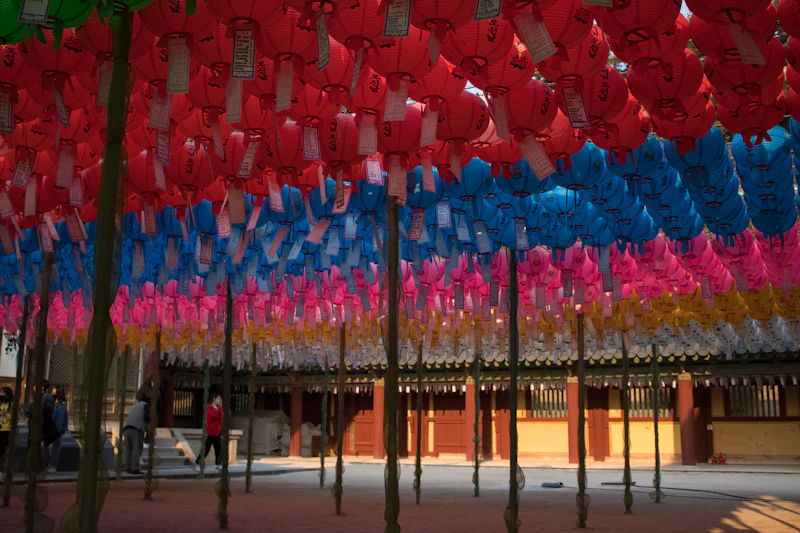
Best Time to Visit Gyeongju
Gyeongju’s inland location means hotter summers and colder winters compared to coastal Busan. Choosing the right season transforms your experience.
| Season | Months | Temperature | Best For | Crowd Level |
|---|---|---|---|---|
| Spring | Mar – May | 10 – 24 C | Cherry blossoms around Bomun Lake and tombs, perfect walking weather | High (especially April) |
| Summer | Jun – Aug | 24 – 33 C | Long daylight hours for exploring, green landscapes | Medium-High |
| Autumn | Sep – Nov | 10 – 26 C | Stunning foliage at temples and tombs, clear skies | High (October peak) |
| Winter | Dec – Feb | -3 – 8 C | Budget deals, no crowds, misty temple atmospheres | Low |
Our pick: Visit in mid to late October for the best combination of crisp autumn weather (15-22 C), vivid foliage framing the ancient tombs, and manageable crowd levels. Bulguksa Temple surrounded by red and gold maple trees is one of the most iconic autumn images in all of Korea.
Cherry blossom tip: If you visit in early to mid-April, head to Bomun Lake where cherry blossom tunnels line the roads for kilometers. Gyeongju hosts its annual Cherry Blossom Festival during this period. The tombs at Tumuli Park surrounded by pink blossoms make for unforgettable photographs.
Avoid: Late July through mid-August brings monsoon rains and intense humidity. Most outdoor sites become uncomfortable, and the mountaintop hike to Seokguram Grotto can be slippery and miserable. If you must visit in summer, go in June before the rains hit.
Must-Visit Attractions in Gyeongju
1. Bulguksa Temple
Bulguksa is not just a temple. It is the masterpiece of Silla Buddhist architecture and one of the most important cultural sites in all of East Asia. Built in 528 AD and massively expanded in 751 AD, this UNESCO World Heritage Site sits on the slopes of Mount Toham, about 16 kilometers southeast of central Gyeongju.
The temple complex contains seven national treasures of South Korea, including the Dabotap and Seokgatap stone pagodas in the main courtyard. These pagodas are so culturally significant that Dabotap appears on the Korean 10-won coin. The Cheongungyo and Baegungyo stone bridges (Blue Cloud and White Cloud bridges) are masterworks of 8th-century engineering.
Pro tip: Arrive before 9:00 AM to experience the temple without tour groups. The morning light filtering through the pine trees onto the stone pagodas is spectacular. Plan for 2-3 hours to explore the full complex. A taxi from central Gyeongju costs around 15,000 KRW, or take Bus 10 or 11 from the Gyeongju Intercity Bus Terminal (40 minutes).
Admission: 6,000 KRW adults / 4,000 KRW children
2. Seokguram Grotto
High on Mount Toham above Bulguksa Temple sits Seokguram, a stunning 8th-century Buddhist grotto housing a monumental seated Buddha statue. Constructed from white granite between 742 and 774 AD, the grotto was designed so that the Buddha faces the East Sea, greeting the sunrise.
The engineering of Seokguram is extraordinary. The dome-shaped chamber was built entirely from carved granite blocks without mortar, incorporating a sophisticated ventilation and moisture-control system that kept the interior dry for over a thousand years. The main Buddha statue, standing 3.5 meters tall, is considered one of the finest Buddhist sculptures in the world.
Pro tip: You can hike the 3.5-kilometer mountain trail from Bulguksa to Seokguram (about 1 hour uphill) or take the shuttle bus. The hike through the forest is beautiful but steep. Combine both sites in one morning. Note that the grotto interior is now viewed through a glass partition to protect the sculptures.
Admission: 6,000 KRW adults / 4,000 KRW children
3. Cheomseongdae Observatory
Standing in a field near the center of Gyeongju, Cheomseongdae looks deceptively simple: a bottle-shaped stone tower about 9 meters tall. But this structure, built around 647 AD during the reign of Queen Seondeok, is the oldest surviving astronomical observatory in East Asia and possibly the world.
The tower was built with exactly 362 stones (representing the days of the lunar year) arranged in 27 layers (Queen Seondeok was the 27th ruler of Silla). The square window halfway up faces south, and the structure aligns with cardinal directions. Silla astronomers used it to observe stars and predict seasonal changes for agriculture.
Pro tip: Visit at sunset when the golden light illuminates the tower and the surrounding field of grass. The observatory is beautifully lit at night, making it equally worth visiting after dark. It is located within walking distance of Tumuli Park and Anapji Pond, so combine all three in an evening stroll.
Admission: Free (surrounding park area)
4. Donggung Palace and Wolji Pond (Anapji Pond)
If you see only one thing at night in Gyeongju, make it Wolji Pond. This ancient palace pond was built in 674 AD as part of the Donggung Palace complex, where the crown prince lived. The pond was designed with irregular edges so that from any vantage point, you could never see the entire shoreline, creating an illusion of infinite space.
When the palace pavilions are lit up at night and reflected perfectly in the still water, the effect is genuinely breathtaking. The site is one of the most photographed locations in South Korea, and it earns every bit of that reputation.
Pro tip: The night visit (open until 10 PM) is significantly more impressive than daytime. Arrive around 7:30 PM in spring/summer for the best combination of blue-hour sky and building illumination. Weekday evenings are far less crowded than weekends. Thousands of artifacts were discovered when the pond was drained in 1975, many now displayed at the Gyeongju National Museum.
Admission: 3,000 KRW adults / 1,000 KRW children
5. Tumuli Park (Daereungwon Tomb Complex)
Right in the heart of Gyeongju, Tumuli Park contains 23 enormous grass-covered burial mounds of Silla kings and nobles. These rounded green hills rising from flat ground create a surreal landscape that feels more like a hobbit village than a cemetery. The largest tombs are over 20 meters high and 80 meters in diameter.
One tomb, Cheonmachong (Heavenly Horse Tomb), has been opened to the public. You can walk inside the reconstructed burial chamber and see how Silla royalty were interred with golden crowns, jewelry, weapons, and ceramics. A painting of a galloping horse on birch bark discovered here is the only known Silla-era painting, giving the tomb its name.
Pro tip: The park is beautiful in every season but particularly stunning in spring when wildflowers blanket the tomb mounds and in autumn when the surrounding trees turn golden. Early morning visits are peaceful and uncrowded. Allow 1-1.5 hours for a relaxed walk through the complex.
Admission: 3,000 KRW adults / 1,000 KRW children
6. Gyeongju National Museum
This museum is essential context for everything you will see in Gyeongju. It houses over 100,000 artifacts from the Silla period, including the famous Emille Bell (one of the largest and oldest bronze bells in Asia), golden crowns and jewelry recovered from the tombs, Buddhist sculptures, and everyday objects from Silla civilization.
The museum is divided into several exhibition halls: the Silla History Hall, the Silla Art Hall, and the Wolji (Anapji) Hall displaying artifacts pulled from the pond. Recent renovations have modernized the displays with interactive exhibits and improved English explanations.
Pro tip: Visit the museum before exploring the outdoor sites. Understanding Silla history and seeing the original artifacts makes walking among the tombs and temples far more meaningful. The museum garden has several stone pagodas and sculptures worth exploring. Allow 2-3 hours for a thorough visit.
Admission: Free
7. Yangdong Folk Village
About 20 kilometers north of central Gyeongju, Yangdong is one of the largest and oldest clan villages in Korea. This UNESCO World Heritage Site has been continuously inhabited for over 500 years, with around 150 traditional tile-roofed and thatched-roof houses arranged along hillsides according to Confucian principles.
Unlike reconstructed folk villages elsewhere in Korea, Yangdong is a real, living community. Residents still farm the surrounding fields and maintain traditional customs. The village layout reflects strict Joseon Dynasty social hierarchy: aristocratic houses sit on higher ground while commoner dwellings occupy lower slopes.
Pro tip: Take Bus 203 from Gyeongju Bus Terminal (30 minutes). Plan for 2-3 hours to walk the village paths. There are a few small restaurants serving traditional Korean meals. Visit on weekday mornings for the most authentic atmosphere without tourist crowds.
Admission: 4,000 KRW adults / 2,000 KRW children
8. Bomun Lake Resort Area
Bomun Lake is Gyeongju’s leisure district, located about 10 kilometers east of the city center. The man-made lake is surrounded by walking and cycling paths, cherry blossom trees, resort hotels, and manicured gardens. It serves as a relaxing counterpoint to the historical intensity of central Gyeongju.
The area comes alive during cherry blossom season (early to mid-April) when the lakeside roads transform into pink tunnels. The Bomun Tourist Complex also includes the Gyeongju World cultural theme park, outdoor performance venues, and several high-end hotels and golf courses.
Pro tip: Rent a bicycle at one of the shops near the lake entrance and ride the full loop (about 8 kilometers). In the evening, the lakeside walkways are lit with lanterns and make for a peaceful post-dinner stroll. Combine a Bomun Lake visit with Bulguksa Temple since they are in the same direction from downtown.
Admission: Free (lake and paths)
Gyeongju Food Guide
Gyeongju’s food scene is rooted in tradition. The city is famous for specific local specialties that you will not find as easily elsewhere in Korea. Here is what to eat and where to find it.
| Dish | Description | Price Range | Where to Try |
|---|---|---|---|
| Gyeongju Bread (Hwangnam-ppang) | Sweet red bean paste-filled pastry, the city’s signature snack since 1939. Sold in distinctive yellow boxes. | 1,500 – 2,000 KRW per piece / 15,000 KRW per box of 20 | Hwangnam Bread original shop near Daereungwon |
| Ssambap | A Gyeongju specialty: dozens of leaf varieties (lettuce, perilla, sesame, mustard greens) served with rice, ssamjang paste, and banchan. Wrap, roll, eat. | 10,000 – 15,000 KRW per person | Ssambap restaurants along Ssambap Street near Tumuli Park |
| Korean BBQ (Hanwoo) | Premium Korean beef grilled at your table. Gyeongju restaurants serve high-quality Hanwoo at prices below Seoul. Order chadolbagi (brisket) or galbi (short ribs). | 25,000 – 50,000 KRW per person | BBQ restaurants near Gyeongju Station or Hwangnidan-gil |
| Tofu Village Cuisine | Fresh handmade tofu served in traditional style with side dishes. Many restaurants are in scenic mountain village settings outside the city. | 12,000 – 18,000 KRW per person | Tofu village restaurants near Gameunsa Temple area |
| Gyeongju Beopju (Rice Wine) | A traditional Korean rice wine with 1,000+ years of history, once served at Silla court banquets. Smooth and slightly sweet. | 8,000 – 15,000 KRW per bottle | Gyodong Beopju Brewery (operating since the Silla era) |
Foodie tip: Do not leave Gyeongju without visiting Hwangnidan-gil, the city’s trendy café and restaurant street. Once a quiet residential lane near the Gyeongju train station area, it has transformed into a vibrant strip of converted hanok (traditional house) cafés, fusion restaurants, and artisan shops. It is the best place for brunch, coffee, and modern Korean food in Gyeongju.
Must-buy souvenir: A box of Hwangnam-ppang (Gyeongju Bread) from the original bakery is the most classic Gyeongju souvenir. The bread is best eaten within 3 days of purchase. Boxes of 10 or 20 are standard. Every Korean will recognize the yellow box.
Getting to Gyeongju
Gyeongju is well-connected to both Seoul and Busan by high-speed rail and bus. Here are your options.
| Route | Transport | Duration | Cost (one way) | Notes |
|---|---|---|---|---|
| Seoul to Gyeongju | KTX (high-speed train) | 2 hours | 45,000 – 55,000 KRW | Arrives at Singyeongju Station, 15 min bus/taxi to city center |
| Seoul to Gyeongju | Express Bus | 3.5 – 4 hours | 25,000 – 35,000 KRW | Departs from Seoul Express Bus Terminal (Gangnam) |
| Busan to Gyeongju | Mugunghwa Train | 50 – 60 min | 5,500 – 8,000 KRW | Arrives at Gyeongju Station downtown, most convenient option |
| Busan to Gyeongju | Intercity Bus | 1 hour | 5,500 KRW | Departs from Busan Nopo Bus Terminal every 15-20 min |
| Incheon Airport to Gyeongju | KTX via Seoul Station | 3 – 3.5 hours total | 55,000 – 65,000 KRW | Airport Railroad to Seoul Station, transfer to KTX |
Best option from Seoul: Take the KTX from Seoul Station to Singyeongju Station. Trains depart multiple times daily and the 2-hour ride is comfortable with spacious seats. From Singyeongju Station, Bus 50 or 51 reaches downtown Gyeongju in about 15 minutes, or a taxi costs around 15,000 KRW.
Best option from Busan: The intercity bus from Busan Nopo Terminal is the easiest choice. Buses run every 15-20 minutes throughout the day, no reservation needed, and drop you at the Gyeongju Intercity Bus Terminal right in the city center. This makes Gyeongju an easy day trip or overnight addition to any Busan itinerary.
Important note: Gyeongju has two train stations. Singyeongju Station (KTX high-speed) is located about 10 kilometers west of the city center. Gyeongju Station (regular trains) is right downtown. If arriving from Seoul by KTX, you will need onward transport from Singyeongju. If arriving from Busan by regular train, you will be dropped in the city center.
Getting Around Gyeongju
Gyeongju is one of the easiest Korean cities to explore once you understand the layout. The central historic zone (Tumuli Park, Cheomseongdae, Anapji Pond, National Museum) is compact and walkable within a 2-kilometer radius. Outlying sites like Bulguksa Temple, Yangdong Village, and Bomun Lake require transport.
Walking: The best way to explore the central historic district. Gyeongju’s flat terrain makes walking comfortable, and the density of sites means you are constantly discovering something new between planned stops.
Public Bus: Gyeongju’s bus network covers all major tourist sites. Key routes include Bus 10 and 11 to Bulguksa Temple and Bus 203 to Yangdong Village. Fare is 1,300 KRW paid with T-money card. Buses run every 15-30 minutes.
Bicycle: Gyeongju is one of Korea’s most bicycle-friendly cities. Dedicated bike paths connect many major sites, and the flat terrain makes cycling pleasant. Rental shops are located near Gyeongju Station and around Bomun Lake. Full-day rental costs 5,000-10,000 KRW. The bike path along the Hyeongsan River connecting downtown to Bomun Lake is particularly scenic.
Taxi: Affordable and plentiful. A taxi from the city center to Bulguksa Temple costs around 15,000-18,000 KRW. For a full day of site-hopping, you can negotiate a charter taxi for approximately 100,000-150,000 KRW for 6-8 hours. This is especially good value for groups of 3-4 people.
Tour Bus (Gyeongju City Tour): The official city tour bus runs two loop routes covering most major attractions. An all-day pass costs around 5,000 KRW and lets you hop on and off freely. It is a convenient option if you are visiting for just one day and want to cover maximum ground.
Where to Stay in Gyeongju
Gyeongju offers accommodation ranging from traditional hanok guesthouses to modern resorts around Bomun Lake. The city center is best for budget travelers and history enthusiasts, while the Bomun Lake area suits those who want resort-style comfort.
Here are some top-rated accommodations in Gyeongju that our readers love:
- Gyeongju Todarun Saesang Pension – A well-reviewed pension offering comfortable rooms with modern amenities, ideal for families and small groups looking for a home-like stay in Gyeongju.
- Gyeongju Dear Forma Pension – Stylish and contemporary pension with clean design and excellent facilities. Popular with couples seeking a relaxing getaway near the historic sites.
- Gyeongju The One Pension – A spacious pension featuring well-appointed rooms and outdoor areas, great for travelers who want privacy and comfort at a reasonable price.
- Gyeongju Check In Bulguk – Conveniently located near Bulguksa Temple, this property is perfect for visitors who want easy access to the UNESCO heritage sites without the commute.
- Gyeongju Alice Pension – A charming pension with a cozy atmosphere and welcoming hosts. Ideal for budget-conscious travelers who do not want to sacrifice comfort.
Pro tip: Book well in advance if visiting during cherry blossom season (early April) or autumn foliage peak (late October). Gyeongju accommodations sell out quickly during these periods, and prices can double.
For the widest selection of Gyeongju hotels and pensions at the best prices, browse available options on Agoda.
Gyeongju Budget Breakdown
Gyeongju is one of the most affordable major tourist destinations in South Korea. Admission fees are low, food is reasonably priced, and accommodation options cover every budget level.
| Category | Budget ($35-60/day) | Mid-Range ($60-100/day) | Comfort ($100-150/day) |
|---|---|---|---|
| Accommodation | Guesthouse or hostel: $15-30 | Pension or budget hotel: $40-70 | Resort hotel at Bomun Lake: $80-120 |
| Food | Street food + local restaurants: $10-15 | Mix of local and mid-range dining: $15-25 | Hanwoo BBQ + cafes: $25-40 |
| Transport | Walking + bus: $2-5 | Bus + occasional taxi: $5-15 | Taxi or chartered car: $15-30 |
| Attractions | Major sites: $5-10 | All sites + museum: $5-10 | All sites + guided tours: $10-20 |
| Daily Total | $35-60 | $60-100 | $100-150 |
Money-saving tips: Many of Gyeongju’s best experiences are free, including the Gyeongju National Museum, walking around the tomb fields outside Tumuli Park, cycling along the river paths, and strolling through Hwangnidan-gil. The combined admission for Bulguksa and Seokguram is just 12,000 KRW (about $9). Street food and Gyeongju Bread make cheap and delicious snacks between sites.
2-Day Gyeongju Itinerary
Two days is the ideal amount of time to experience Gyeongju’s highlights without rushing. Here is a day-by-day plan that covers all the essential sites in a logical route.
| Time | Day 1: Central Gyeongju | Day 2: Outer Sites |
|---|---|---|
| 8:00 AM | Breakfast at Hwangnidan-gil cafe | Early departure to Bulguksa Temple |
| 9:00 AM | Tumuli Park (Cheonmachong Tomb) | Explore Bulguksa Temple complex (2 hours) |
| 10:30 AM | Cheomseongdae Observatory + surrounding park | Hike or shuttle to Seokguram Grotto |
| 12:00 PM | Ssambap lunch on Ssambap Street | Lunch at restaurant near Bulguksa |
| 1:30 PM | Gyeongju National Museum | Bomun Lake cycling or walking |
| 3:30 PM | Hwangnidan-gil cafes and shopping | Yangdong Folk Village (if time permits) |
| 5:30 PM | Sunset at Cheomseongdae area | Return to city center |
| 7:00 PM | Donggung Palace and Wolji Pond night visit | Korean BBQ dinner farewell meal |
| 8:30 PM | Evening walk through illuminated tomb district | Pick up Gyeongju Bread souvenirs at Hwangnam Bakery |
Day 1 focus: All of the central sites are within walking distance of each other. Start at Tumuli Park in the cool morning, visit the museum after lunch to escape the midday heat, and save Wolji Pond for after dark when the reflections are magical.
Day 2 focus: The outer sites require bus or taxi. Head to Bulguksa Temple first thing in the morning for the smallest crowds and best light. From there, continue uphill to Seokguram. After descending, Bomun Lake is nearby for a relaxed afternoon. Yangdong Village is a detour in a different direction, so include it only if you have the energy and time.
Day trip option: If you are based in Busan and only have one day, focus on Bulguksa, Seokguram, Tumuli Park, and Wolji Pond at night. Take the first bus from Busan (around 6:30 AM) and the last bus back (around 10 PM) for maximum time in Gyeongju.
Book Your Gyeongju Accommodation
Ready to plan your Gyeongju trip? Finding the right place to stay can make all the difference. Whether you prefer a traditional pension near the historic sites or a modern resort at Bomun Lake, booking early ensures the best rates and availability.
Search Gyeongju Hotels on Agoda
Frequently Asked Questions
How many days do you need in Gyeongju?
Two days is ideal for covering all major attractions at a comfortable pace. One day works as a rushed day trip from Busan, but you will miss the magical night visit to Wolji Pond. Three days allows you to include Yangdong Folk Village, explore at a leisurely pace, and take the scenic cycling routes along the river paths.
Is Gyeongju worth visiting compared to Seoul and Busan?
Absolutely. Gyeongju offers something completely different from both cities. While Seoul is modern and fast-paced and Busan is coastal and beach-oriented, Gyeongju is a step back in time. No other city in Korea has the concentration of ancient ruins, UNESCO sites, and historical atmosphere that Gyeongju delivers. It pairs perfectly with a Busan trip since it is only one hour away by bus.
Can you visit Gyeongju as a day trip from Busan?
Yes, but it is tight. The one-hour bus ride each way is easy, and you can cover Bulguksa Temple, Tumuli Park, and the city center sites in a long day. However, you will miss Wolji Pond at night, which is one of Gyeongju’s best experiences. An overnight stay is strongly recommended to get the full experience.
Is Gyeongju easy to navigate without speaking Korean?
Yes. Major tourist sites have English signage and information boards. The Gyeongju City Tour Bus has English announcements. Most restaurants in the tourist areas have picture menus or basic English menus. Hotel and pension staff generally speak some English. Download Naver Map or KakaoMap before your visit for navigation as Google Maps is limited in South Korea.
What should I buy as souvenirs in Gyeongju?
Hwangnam-ppang (Gyeongju Bread) is the classic choice and every Korean will recognize it. Other popular souvenirs include Gyeongju Beopju rice wine, Silla-inspired jewelry replicas from museum shops, traditional celadon ceramics, and locally made Buddhist prayer beads. The shops around Tumuli Park and the National Museum have the best selection of quality souvenirs.
Is the Gyeongju KTX station in the city center?
No. Singyeongju KTX Station is located about 10 kilometers west of the city center. You will need to take Bus 50, 51, or 60 (about 15-20 minutes) or a taxi (about 15,000 KRW) to reach downtown Gyeongju. The older Gyeongju Station (for Mugunghwa trains from Busan) is located right in the city center, which is more convenient if coming from Busan.