
Cherry Blossom in Korea 2026: Best Spots, Timing, and Travel Tips
Every spring, South Korea transforms into a breathtaking canvas of soft pink and white as cherry blossom trees burst into bloom from the southern island of Jeju all the way up to Seoul. The cherry blossom season in Korea is one of the most anticipated events of the year, drawing millions of visitors who come to stroll beneath tunnels of delicate petals, snap stunning photographs, and enjoy vibrant festivals. If you are planning to witness cherry blossom Korea 2026, this comprehensive guide covers everything you need — from exact bloom forecasts and the best viewing spots to photography tips and travel planning advice.
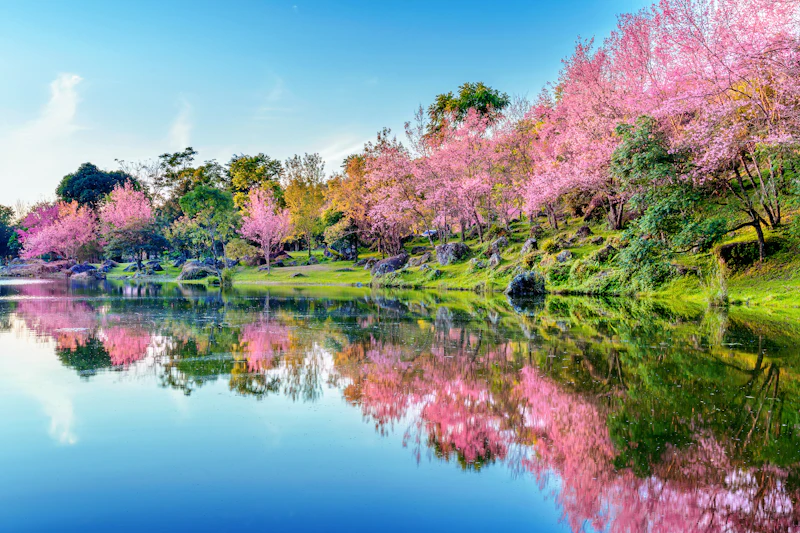
TL;DR — Cherry Blossom Korea 2026 at a Glance
- When: Late March (Jeju) through mid-April (Seoul and Gangneung). Peak blooms last roughly 7 to 10 days per region.
- Top spots: Jinhae (largest festival), Gyeongju (historic backdrop), Yeouido in Seoul, and Jeju Cherry Blossom Road.
- Book early: Hotels near popular cherry blossom areas sell out weeks in advance. Secure accommodation at least 2 months ahead.
- Best tip: Follow the bloom northward — start in Jeju in late March, end in Seoul by mid-April for the longest cherry blossom experience.
- Getting around: KTX high-speed trains connect all major cherry blossom cities. A Korea Rail Pass saves money on multi-city trips.
Cherry Blossom Season 2026: Bloom Forecast by Region
The cherry blossom front moves from south to north across the Korean peninsula over roughly three weeks. Weather conditions such as temperature fluctuations and rainfall can shift bloom dates by a few days, but the general pattern remains consistent year after year. Below is the expected cherry blossom forecast for Korea 2026 based on historical data and early meteorological projections.
| Region | First Bloom (Expected) | Full Bloom (Peak) | Best Viewing Period |
|---|---|---|---|
| Jeju Island | March 22 – 25 | March 28 – April 1 | Late March to early April |
| Busan | March 27 – 30 | April 2 – 6 | Early April |
| Jinhae (Changwon) | March 28 – 31 | April 3 – 7 | Early April |
| Gyeongju | March 29 – April 1 | April 4 – 8 | Early April |
| Seoul | April 5 – 8 | April 10 – 14 | Mid-April |
| Gangneung (East Coast) | April 6 – 9 | April 11 – 15 | Mid-April |
Pro tip: The Korea Meteorological Administration (KMA) releases official cherry blossom forecasts in early March each year. Check their updates closer to the season for the most accurate dates. Full bloom typically lasts about one week before petals begin to fall, creating the magical “cherry blossom snow” effect.
Best Cherry Blossom Spots in Seoul
Seoul may be the last major city to see cherry blossoms each spring, but it offers some of the most accessible and photogenic viewing spots in the country. The city’s well-connected subway system means you can visit multiple locations in a single day. Here are the top cherry blossom spots in the capital.
Yeouido Hangang Park and the National Assembly
Yeouido is arguably the most famous cherry blossom destination in Seoul. The area around the National Assembly building features a stunning 1.7-kilometer boulevard lined with approximately 1,800 cherry blossom trees that form a complete canopy overhead. During peak bloom, the Yeouido Spring Flower Festival attracts over a million visitors. The boulevard is closed to traffic during the festival, allowing pedestrians to walk freely beneath the blossoms. Street food vendors, live performances, and photo zones add to the festive atmosphere. For the best experience, visit early in the morning on a weekday to avoid the heaviest crowds.
How to get there: Take Seoul Metro Line 5 to Yeouinaru Station, Exit 1.
Seokchon Lake (Lotte World Tower)
Seokchon Lake, nestled beside the towering Lotte World Tower, is framed by roughly 1,000 cherry blossom trees that create a picture-perfect ring of pink around the lake’s circumference. The combination of cherry blossoms reflected in the calm water with the 555-meter Lotte World Tower rising in the background produces some of the most iconic spring photographs in Seoul. A walking path circles the entire lake, making it easy to find your ideal vantage point. At night, the trees are illuminated, offering a completely different but equally beautiful experience.
How to get there: Take Seoul Metro Line 2 or 8 to Jamsil Station, Exit 2 or 3.
Namsan Mountain and N Seoul Tower
The slopes of Namsan Mountain transform into a sea of pink and white every April. The winding pathways leading up to N Seoul Tower are lined with cherry blossom trees, offering a rewarding combination of gentle hiking and flower viewing. The panoramic views of Seoul from the upper sections of the mountain are spectacular during cherry blossom season, with the city framed by blooming trees on every side. Take the Namsan Cable Car for an aerial view of the blossoms, or walk up from Namsan Library for a more immersive experience.
How to get there: Take Seoul Metro Line 4 to Myeongdong Station, Exit 3, then walk toward Namsan Cable Car.
Olympic Park
Olympic Park is a hidden gem for cherry blossom viewing, often overlooked by international tourists in favor of Yeouido and Seokchon Lake. The park’s expansive grounds feature wide cherry blossom-lined avenues that are significantly less crowded than other popular spots. The combination of modern sculpture installations, open green spaces, and cherry blossom canopies creates a unique and peaceful setting. The Mongchontoseong Fortress walking trail within the park is particularly beautiful during peak bloom.
How to get there: Take Seoul Metro Line 5 to Olympic Park Station, Exit 3.
Best Cherry Blossom Spots in Busan
As Korea’s second-largest city and a major coastal metropolis, Busan offers cherry blossom experiences that combine floral beauty with ocean views, riverside walks, and the city’s famously laid-back atmosphere. Cherry blossoms typically arrive in Busan about a week before Seoul, making it a great first stop on a cherry blossom itinerary.
Samnak Riverside Park
Samnak Riverside Park stretches along the Nakdong River and is home to one of the longest cherry blossom corridors in Busan. The park’s flat, paved paths are perfect for cycling or leisurely walks beneath a dense canopy of cherry trees. The riverside setting adds a scenic dimension that few other spots can match, with blossoms reflected in the calm water on still mornings. Samnak is popular with locals but less well-known among international visitors, making it a wonderful escape from the more crowded tourist areas.
How to get there: Take Busan Metro Line 2 to Deokpo Station, Exit 3.
Dalmaji Hill (Moontan Road)
Dalmaji Hill, located between Haeundae and Songjeong beaches, is one of Busan’s most scenic roads and becomes even more magical during cherry blossom season. The winding hillside road is flanked by cherry trees that create a dreamy tunnel effect, with glimpses of the East Sea visible through gaps in the blossoms. The area is dotted with charming cafes and galleries where you can enjoy a coffee while gazing out over the blossoms and the ocean. It is the perfect spot for a romantic afternoon stroll or a scenic drive.
How to get there: Take Busan Metro Line 2 to Haeundae Station, then bus 100 or 139 to Dalmaji Hill.
Oncheoncheon Stream
This gentle urban stream winds through Busan’s Dongnae district with cherry blossom trees planted along both banks. A well-maintained walking and cycling path follows the stream for several kilometers, creating one of the most pleasant cherry blossom walks in the city. At night, the cherry trees are illuminated with soft lighting that reflects off the water, creating a magical atmosphere that draws both locals and visitors for evening strolls. The stream is also a wonderful spot for casual photography, with stone bridges and small waterfalls adding interest to compositions.
How to get there: Take Busan Metro Line 1 to Oncheonjang Station, Exit 5.
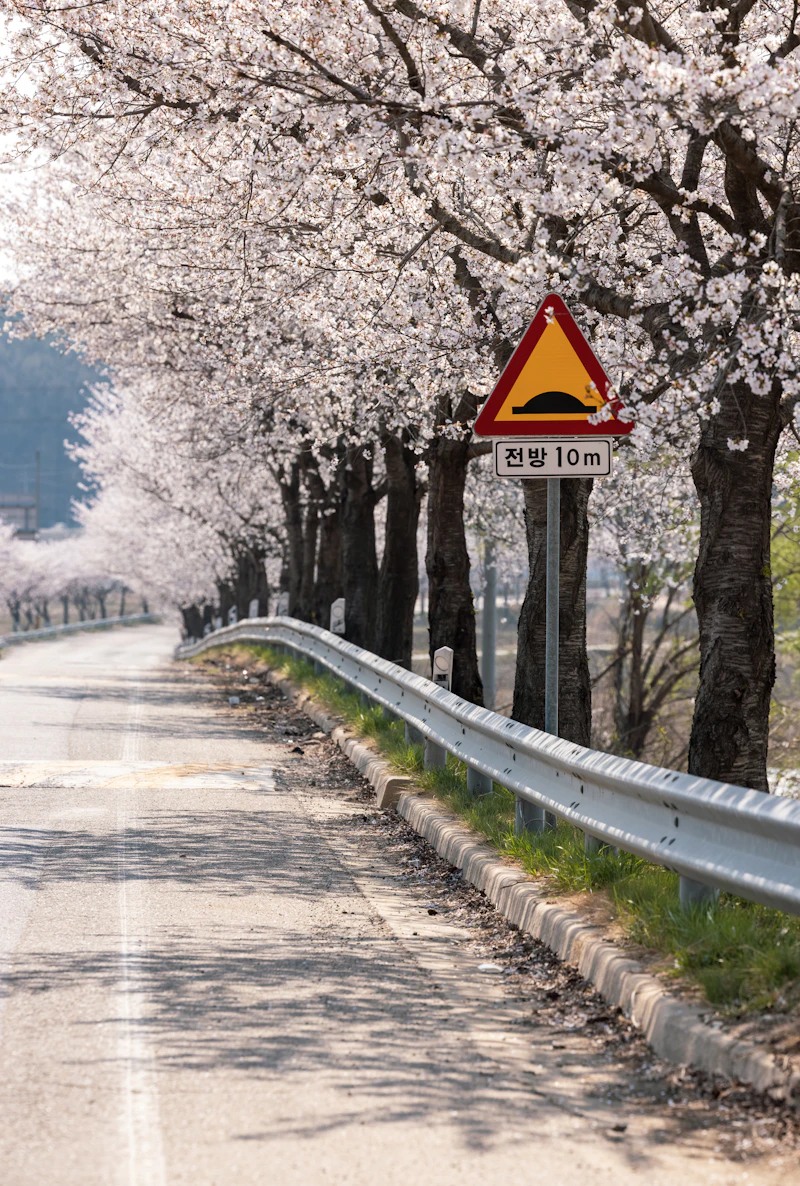
Best Cherry Blossom Spots in Gyeongju
Gyeongju, the ancient capital of the Silla Kingdom, offers a uniquely atmospheric cherry blossom experience. Ancient tombs, temple grounds, and historic ruins draped in soft pink blossoms create scenes that feel transported from another century. Gyeongju is a manageable day trip from Busan or a worthwhile overnight destination during cherry blossom season.
Bomun Lake Resort Area
Bomun Lake is surrounded by a scenic road lined with thousands of cherry blossom trees that form a continuous canopy over the entire route. The lake area was developed as a tourism complex, so the infrastructure is excellent — wide sidewalks, ample parking, and well-placed benches for resting and enjoying the views. Renting a bicycle is one of the most enjoyable ways to experience the blossoms here, as the flat terrain around the lake makes for easy riding. Pedal boats are also available on the lake, allowing visitors to enjoy the cherry blossoms from the water.
How to get there: From Gyeongju Bus Terminal, take bus 10 or 100 to Bomun Tourist Complex.
Bulguksa Temple Area
The road leading up to Bulguksa Temple, a UNESCO World Heritage Site, is lined with cherry blossom trees that add another layer of beauty to an already stunning cultural landmark. The contrast between the ancient stone architecture of the temple and the delicate pink blossoms creates unforgettable photographs. Visiting Bulguksa during cherry blossom season allows you to combine cultural exploration with natural beauty. Arrive early in the morning to enjoy the peaceful atmosphere before tour groups arrive.
How to get there: From Gyeongju Bus Terminal, take bus 10 or 11 to Bulguksa Temple.
Gyerim Forest and Tumuli Park
The ancient Gyerim Forest and the nearby Daereungwon Tumuli Park (Royal Tombs) offer one of the most uniquely Korean cherry blossom experiences. Cherry blossom trees stand alongside the gentle grass-covered burial mounds of Silla-era kings and queens, creating a hauntingly beautiful landscape. The area is large enough that even during busy periods, you can find a quiet corner to enjoy the blossoms in relative solitude. Walking from Gyerim through to Cheomseongdae Observatory and Anapji Pond covers several of Gyeongju’s top attractions in a single cherry blossom-filled route.
How to get there: From Gyeongju Bus Terminal, take bus 11 or walk 20 minutes.
Best Cherry Blossom Spots in Jinhae — Korea’s Number One Cherry Blossom Festival
Jinhae, a district of Changwon city near Busan, hosts the largest cherry blossom festival in South Korea — the Jinhae Gunhangje Festival. With over 350,000 cherry blossom trees, Jinhae transforms into the undisputed cherry blossom capital of Korea each spring. The festival typically runs for about 10 days in late March to early April and attracts over two million visitors. If you only have time for one cherry blossom destination in Korea, Jinhae should be at the top of your list.
Jinhae Gunhangje Festival
The Jinhae Gunhangje Festival is a celebration of both cherry blossoms and the Korean Navy, as Jinhae is home to the Republic of Korea Naval Academy. The festival features military band performances, parades, fireworks displays, and extensive food markets alongside the main attraction — the breathtaking cherry blossom displays throughout the entire district. The festival area spans the whole of Jinhae, so it is best to plan a full day to explore the various hotspots. Key areas include Jinhae Station (a decommissioned train station surrounded by cherry trees), the Naval Academy grounds (open to the public only during the festival), and the main streets of downtown Jinhae.
Romance Bridge (Yeojwacheon Stream)
Romance Bridge over Yeojwacheon Stream is perhaps the single most photographed cherry blossom spot in all of South Korea. The narrow stream is lined on both sides by hundreds of cherry blossom trees whose branches extend over the water, creating a dense pink tunnel effect. At the center, a charming wooden bridge offers the perfect vantage point for photographs. The scene is so iconic that it has appeared in numerous Korean dramas and films. At night, the cherry blossoms along Yeojwacheon are illuminated with colorful lights, creating a romantic and ethereal atmosphere that is completely different from the daytime experience.
Gyeonghwa Station
Gyeonghwa Station is a small, now-decommissioned railway station that has become one of the most beloved cherry blossom photo spots in Korea. Old railway tracks lined with cherry blossom trees on both sides create a nostalgic and dreamlike scene. Visitors walk along the tracks beneath the canopy of blossoms, snapping photos at every turn. The combination of industrial heritage and natural beauty gives this location a special character that sets it apart from traditional parks and gardens. A short train ride on a tourist rail car is sometimes offered during the festival period.
How to get to Jinhae: Take the KTX to Changwon or Masan Station, then transfer to a local bus to Jinhae. During the festival, direct shuttle buses run from Busan and Seoul stations. The journey from Busan takes about one hour.
Best Cherry Blossom Spots in Jeju Island
Jeju Island, located off the southern coast of the Korean peninsula, is the first place in Korea where cherry blossoms bloom each year. The mild subtropical climate means that Jeju’s blossoms typically appear a full two weeks before Seoul. Jeju is home to a native species called the King Cherry Blossom (Prunus x yedoensis var. nudiflora), which produces larger and more vibrant flowers than the mainland variety. Combining a Jeju trip with cherry blossom season gives you a head start on spring and the chance to see the island’s unique volcanic landscape draped in pink.
Jeju Cherry Blossom Road (Jeonnong-ro)
Jeonnong-ro, often called Jeju Cherry Blossom Road, is the most famous cherry blossom viewing street on the island. This road stretches through the heart of Jeju City and is lined with King Cherry Blossom trees that produce exceptionally large and fluffy blooms. During peak season, the entire road becomes a tunnel of pink, and the local government often hosts a cherry blossom festival with food stalls, performances, and photo zones. The road is easily accessible from downtown Jeju City, making it a convenient stop even for visitors with limited time.
How to get there: Located in central Jeju City, accessible by local bus or taxi from Jeju International Airport (about 15 minutes).
Hallim Park
Hallim Park on the western side of Jeju Island offers cherry blossoms alongside subtropical gardens, lava caves, and folk village exhibits. The park’s cherry trees bloom around the same time as the rest of Jeju, providing a beautiful backdrop for exploring the diverse attractions within the park. The combination of cherry blossoms with the unique volcanic rock formations and palm trees creates a landscape you will not find anywhere else in Korea. Hallim Park is a particularly good option for families, as the varied attractions keep visitors of all ages entertained.
How to get there: From Jeju City Bus Terminal, take bus 202 to Hallim Park (about 50 minutes).
Cherry Blossom Photography Tips for Korea
Capturing the perfect cherry blossom photograph requires a combination of timing, technique, and a little bit of luck with the weather. Here are practical tips to help you take stunning cherry blossom photos during your Korea trip.
- Shoot during golden hour: The warm, soft light just after sunrise and before sunset makes cherry blossoms glow with an ethereal quality. Early morning also means fewer crowds in your shots.
- Overcast days are your friend: Cloudy skies act as a natural diffuser, eliminating harsh shadows and making the delicate pink tones of the blossoms appear more vivid and even.
- Look down as well as up: Fallen cherry blossom petals on water, pathways, and benches create beautiful foreground subjects. Reflections of blossoms in lakes and streams can be equally compelling.
- Include human elements for scale: A person walking beneath a cherry blossom canopy, a bicycle leaning against a tree, or a traditional hanok roof peeking through the blossoms adds narrative depth to your photos.
- Use portrait mode for bokeh: On smartphones, portrait mode creates a pleasing blur effect that isolates individual blossom branches against a soft background. On a camera, use a wide aperture (f/2.8 or lower) for similar results.
- Bring a zoom lens: If you are using a camera, a 70-200mm or similar telephoto lens lets you isolate individual blossom clusters and compress the perspective to make tree-lined avenues appear denser.
- Night photography: Many cherry blossom spots in Korea offer illuminated night viewing. Use a tripod or stabilize your phone against a surface for sharp nighttime shots of illuminated blossoms.
- Capture the falling petals: Toward the end of peak bloom, petals begin to fall like snow. A burst or continuous shooting mode helps freeze these fleeting moments.
Cherry Blossom Travel Planning Tips for Korea 2026
Planning a cherry blossom trip to Korea requires more advance preparation than a typical visit. The season is short, demand is extremely high, and the best experiences go to those who plan ahead. Here is what you need to know.
Book Hotels Early
Accommodation near popular cherry blossom spots fills up fast — especially in Jinhae, Gyeongju, and the Yeouido area of Seoul. If you are visiting during peak bloom, aim to book your hotel at least two months in advance. Prices also increase significantly during cherry blossom season, so early booking often means better rates.
Recommended: Search and compare hotels across South Korea on Agoda for the best selection and prices during cherry blossom season. Agoda frequently offers exclusive deals on Korean hotels that are not available on other platforms.
Managing Crowds
Cherry blossom season is one of the busiest travel periods in Korea. Here are strategies for avoiding the worst of the crowds:
- Visit on weekdays: Weekends during peak bloom are extremely crowded, especially at Yeouido and Jinhae. If possible, schedule your cherry blossom viewing for Tuesday through Thursday.
- Go early morning: Arrive at popular spots before 8:00 AM for a dramatically different (and less crowded) experience.
- Explore lesser-known spots: Olympic Park in Seoul, Samnak Riverside in Busan, and Gyerim Forest in Gyeongju are all beautiful but see a fraction of the visitors that headline spots receive.
- Stay near the action: Booking a hotel within walking distance of cherry blossom spots lets you visit during off-peak hours without worrying about transportation schedules.
Transportation Tips
The KTX high-speed rail network connects Seoul, Busan, Gyeongju, and other major cities efficiently. A Korea Rail Pass (KR Pass) offers unlimited travel on most trains for a set number of days and is excellent value for multi-city cherry blossom trips. During the Jinhae festival, special shuttle buses operate from Busan and other nearby cities. In Seoul, the subway system provides easy access to all major cherry blossom spots. Consider purchasing a T-money card for convenient payment on all public transportation.
What to Wear
Spring weather in Korea can be unpredictable. Daytime temperatures during cherry blossom season typically range from 10 to 18 degrees Celsius, but mornings and evenings can be chilly. Dress in layers and bring a light jacket or cardigan. Comfortable walking shoes are essential, as you will likely cover several kilometers on foot each day. A light scarf in pink or white complements cherry blossom photographs beautifully.
What to Eat During Cherry Blossom Season in Korea
Spring in Korea brings not only beautiful blossoms but also a wonderful array of seasonal foods and limited-edition treats that celebrate the cherry blossom theme. Here is what to look for during your visit.
- Cherry blossom-themed desserts: Cafes across Korea release special cherry blossom menus in spring. Look for cherry blossom lattes, pink macarons, cherry blossom mochi, and floral-flavored ice cream. Major chains like Starbucks Korea and local cafes alike offer limited-edition spring drinks.
- Hwajeon (flower pancakes): These traditional Korean rice cakes are decorated with edible flower petals, including cherry blossoms. They are a beautiful and delicious spring treat often found at traditional tea houses and festival food stalls.
- Street food at festivals: Cherry blossom festivals like the Jinhae Gunhangje feature extensive food markets with Korean street food classics — tteokbokki (spicy rice cakes), hotteok (sweet pancakes), gimbap (Korean sushi rolls), and freshly grilled skewers.
- Spring strawberries: Korean strawberries are at their peak during cherry blossom season. Look for fresh strawberry desserts, strawberry mochi, and strawberry-topped bingsu (Korean shaved ice).
- Seasonal bibimbap: Many restaurants offer spring versions of bibimbap featuring fresh spring vegetables like bracken fern, shepherd’s purse, and other wild greens harvested in the mountains.
- Cherry blossom makgeolli: This traditional Korean rice wine gets a spring makeover with cherry blossom-infused varieties that have a subtle floral flavor and a pretty pink tint. Try it at outdoor pojangmacha (tent bars) for the full experience.
Explore More of South Korea
Cherry blossom season is the perfect time to explore the best of what South Korea has to offer. Each major city has its own unique character, attractions, and culinary scene waiting to be discovered beyond the blossoms. Use our detailed city guides to plan your complete Korean adventure.
- Seoul Travel Guide 2026: Top Things to Do, Best Hotels, and Insider Tips
- Busan Travel Guide 2026: Beaches, Temples, Street Food, and More
- Jeju Island Travel Guide 2026: Nature, Beaches, and Hidden Gems
- Gyeongju Travel Guide 2026: Explore Korea’s Ancient Capital
Planning your accommodation for cherry blossom season? Browse hotels across South Korea on Agoda and lock in the best rates before peak season drives prices up.
Frequently Asked Questions About Cherry Blossoms in Korea
When is the best time to see cherry blossoms in Korea in 2026?
The cherry blossom season in Korea 2026 is expected to begin in late March on Jeju Island and move northward, reaching Seoul and Gangneung by mid-April. The exact timing varies by a few days each year depending on winter and early spring temperatures. For the best chance of catching peak bloom, plan your visit for early April if heading to Busan, Jinhae, or Gyeongju, and mid-April if visiting Seoul. Following the Korea Meteorological Administration’s official forecast released in early March will give you the most up-to-date predictions.
How long do cherry blossoms last in Korea?
Once cherry blossoms reach full bloom, the flowers typically last about 7 to 10 days before the petals begin to fall. However, the entire cherry blossom season across Korea spans roughly three to four weeks as the bloom front moves from Jeju in the south to Gangneung in the northeast. If you plan a multi-city trip following the bloom northward, you could potentially enjoy cherry blossoms for two to three weeks straight.
What is the best city for cherry blossoms in Korea?
Jinhae (Changwon) is widely considered the best city for cherry blossoms in Korea due to the sheer number of trees (over 350,000), the famous Jinhae Gunhangje Festival, and iconic spots like Romance Bridge and Gyeonghwa Station. For a more cultural experience, Gyeongju pairs cherry blossoms with ancient Silla Kingdom heritage. Seoul offers the most convenient access with excellent public transportation to multiple viewing spots. Each destination has its own appeal, so the best choice depends on your interests and itinerary.
Is it worth visiting Korea just for cherry blossoms?
Absolutely. Cherry blossom season is one of the most beautiful times to visit South Korea, and many travelers plan their entire trip around it. Beyond the blossoms, spring offers comfortable weather for sightseeing, seasonal food specialties, and numerous festivals. Combining cherry blossom viewing with cultural exploration, food tours, and city sightseeing makes for an incredibly rewarding trip. Just remember that it is also peak travel season, so accommodation and popular attractions will be busier than usual.
Can I see cherry blossoms in Korea for free?
Yes, the vast majority of cherry blossom viewing spots in Korea are completely free. Public parks, riverside walkways, streets, and lake areas are all open to everyone at no cost. Even the major festivals like Jinhae Gunhangje do not charge admission. The only exceptions are attractions within paid parks such as Hallim Park on Jeju Island. Korea is one of the best destinations in the world for free cherry blossom viewing.
What should I bring for cherry blossom viewing in Korea?
Bring layers of clothing (spring temperatures range from 10 to 18 degrees Celsius with cool mornings), comfortable walking shoes, a portable phone charger (you will be taking many photos), a small picnic blanket if you want to sit beneath the trees, and allergy medication if you are sensitive to pollen. A portable Wi-Fi device or Korean SIM card is helpful for navigation and checking real-time bloom updates. Sunscreen is also recommended, as spring sunshine can be deceptively strong even at mild temperatures.