
TL;DR: Gangneung and Sokcho are Korea’s premier east coast destinations – pristine beaches, dramatic mountain scenery, legendary coffee culture, and the freshest seafood you will find anywhere in the country. Best visited May-June or September-October for ideal weather. The KTX now connects Seoul to Gangneung in under 2 hours, making weekend trips effortless. Budget $50-150/day depending on your style. This gangneung sokcho travel guide 2026 covers beaches, mountains, markets, food, transport, hotels, and a complete 3-day itinerary along Korea’s stunning eastern coastline.
Why Visit Korea’s East Coast in 2026?
If Seoul is Korea’s brain and Busan its party spirit, then the east coast is the country’s soul. The Gangneung-Sokcho corridor stretches along the East Sea (Sea of Japan) coastline of Gangwon Province, backed by the dramatic Taebaek Mountains and fronted by some of the clearest waters in Northeast Asia.
Think of this region as Korea’s Pacific Coast Highway – a scenic coastal stretch where every turn reveals another stunning beach, quiet fishing village, or mountain trailhead. The pace here is slower, the air is cleaner, and the seafood is caught that morning.
In 2026, the east coast continues to surge in popularity. Since the 2018 PyeongChang Winter Olympics brought the KTX high-speed rail line to Gangneung, what was once a grueling 5-hour bus ride from Seoul is now a comfortable 1 hour 50 minute train journey. Sokcho, long beloved by Korean hikers for its proximity to Seoraksan National Park, has reinvented itself with boutique cafes, craft breweries, and a thriving food scene that rivals anything in the big cities.
Whether you want to watch the sunrise over the East Sea, hike Korea’s most spectacular mountain, drink world-class coffee steps from the ocean, or feast on the freshest sashimi of your life, the Gangneung-Sokcho corridor delivers experiences you simply cannot find elsewhere in Korea.
Best Time to Visit Gangneung and Sokcho
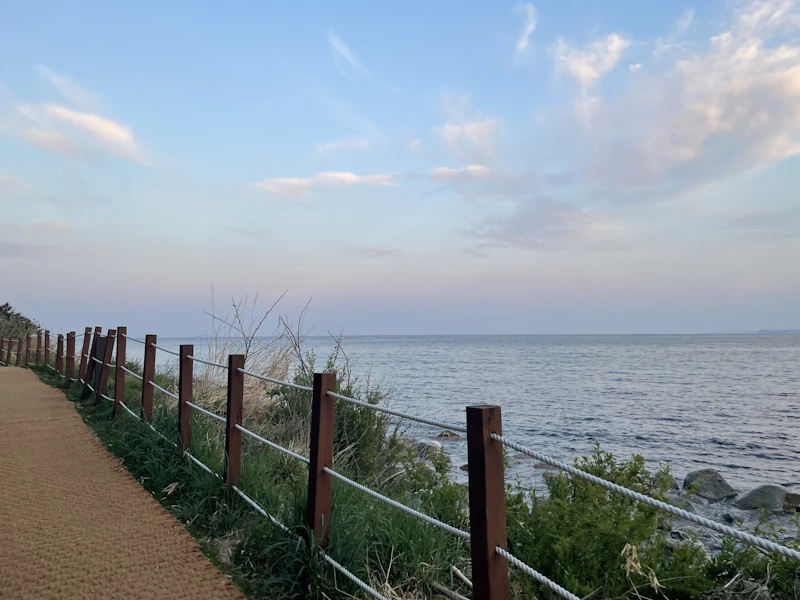
The east coast has its own microclimate, distinct from both Seoul and Busan. The Taebaek Mountains block much of the summer monsoon rain, giving the coast more sunny days than the west side of the peninsula.
| Season | Months | Temperature | Best For | Crowd Level |
|---|---|---|---|---|
| Spring | Apr – May | 10 – 22 C | Cherry blossoms, mild hiking, fewer crowds | Medium |
| Summer | Jun – Aug | 22 – 30 C | Beach swimming, water sports, festivals | Very High |
| Autumn | Sep – Nov | 10 – 25 C | Seoraksan fall foliage, perfect weather | High |
| Winter | Dec – Feb | -5 – 5 C | Snow scenery, hot springs, budget deals | Low |
Our pick: Visit in late May to mid-June for the sweet spot of warm weather (20-25 C), minimal rain, swimmable seas, and manageable crowds. Alternatively, late September to mid-October offers spectacular fall foliage on Seoraksan – one of the first places in Korea where autumn colors appear.
Avoid: Late July through mid-August is peak domestic vacation season. Every beach and pension is fully booked, prices double, and Seoraksan hiking trails become congested single-file processions. Book months in advance if you must visit during this window.
Budget tip: Winter (December-February) brings the cheapest accommodation and the best seafood season. The east coast receives less snow than you might expect, and the frozen Seoraksan landscape is hauntingly beautiful. Many pensions slash rates by 50% or more during the off-season.
Gangneung – Coffee Capital and Cultural Heart of the East Coast
Gangneung is the larger and more accessible of the two cities, serving as the main east coast hub thanks to its KTX station. But do not mistake accessibility for blandness – this city has a cultural depth and coffee obsession that make it uniquely rewarding.
With a history stretching back over a thousand years, Gangneung blends Joseon-era heritage sites with a modern cafe culture that has earned it the unofficial title of Korea’s Coffee Capital. The city hosted several events during the 2018 Winter Olympics, bringing international attention and infrastructure upgrades that continue to benefit visitors.
Gyeongpo Beach – The East Coast’s Premier Beach
Gyeongpo Beach is a 1.8-kilometer crescent of fine white sand that serves as Gangneung’s signature attraction. Unlike the urban beaches of Busan, Gyeongpo retains a more natural feel with pine forests framing the shoreline and the Gyeongpo Lake wetland ecosystem just behind the beach.
The beach promenade is perfect for evening walks, and the surrounding area hosts numerous raw fish restaurants where you can eat sashimi while watching the waves. During summer, the beach comes alive with festivals, water sports rentals, and pop-up food stalls.
Pro tip: Walk the full Gyeongpo Eco Trail that connects the beach to Gyeongpo Lake. The 4.3-kilometer loop passes through wetlands, pine groves, and waterfront pavilions. Early morning is best for birdwatching – the lake is home to over 50 species of migratory birds. In spring, the cherry blossom tunnel along the lake is one of Korea’s most beautiful natural displays.
Anmok Coffee Street – Korea’s Most Famous Coffee Destination
Anmok Beach is home to Korea’s most celebrated coffee street – a waterfront strip of independent cafes, roasteries, and coffee shops that stretches for nearly a kilometer along the shoreline. What started with a handful of family-run cafes in the early 2000s has grown into a full-blown coffee pilgrimage destination, drawing enthusiasts from across Korea and beyond.
Each cafe has its own personality and specialty. Some roast single-origin beans on-site, others focus on elaborate dessert pairings, and a few serve traditional Korean-style coffee brewed over charcoal. The common thread is the stunning ocean view from nearly every seat.
Pro tip: Do not try to hit every cafe in one visit – there are over 30 of them. Instead, pick 3-4 based on your preferences. For serious coffee lovers, seek out the roasteries with visible roasting equipment and ask about their current single-origin offerings. For the best photo opportunities, visit during golden hour when the sunset lights up the ocean views through floor-to-ceiling windows. Weekday mornings are the most peaceful time to enjoy the scene.
Ojukheon – Birthplace of Korean Culture Icons
Ojukheon is one of the oldest surviving residential buildings in Korea, famous as the birthplace of Shin Saimdang (the artist and calligrapher featured on the 50,000 won banknote) and her son Yi I (the Confucian scholar on the 5,000 won note). This makes Gangneung the only city in Korea connected to figures on two different denominations of currency.
The compound includes the original Joseon-era black bamboo house, a municipal museum with rotating exhibits, traditional gardens, and a memorial hall. The architecture is a masterclass in restrained Korean elegance – dark wooden beams, curved tile roofs, and courtyards designed to frame mountain views.
Pro tip: Combine your visit with the nearby Gangneung Seongyojang House, a 300-year-old aristocratic estate considered one of the best-preserved examples of Joseon-era upper-class residential architecture. The two sites are a 10-minute walk apart, and a combined visit takes about 2-3 hours. Admission to Ojukheon is 3,000 KRW for adults.
Gangneung Central Market – Where Locals Actually Eat
Skip the tourist-oriented restaurants and head straight to Gangneung Central Market for the most authentic local food experience. This sprawling traditional market has been feeding Gangneung residents for decades, and the food court section is a revelation of regional specialties you will not find in Seoul.
The market is famous for its handmade tofu, Gangneung-style kalguksu (knife-cut noodle soup), and fresh seafood prepared in dozens of different ways. Vendors are friendly and accustomed to curious visitors, though English is limited – having a translation app ready helps enormously.
Pro tip: The market’s signature dish is Chodang sundubu (soft tofu), named after the Chodang neighborhood where Gangneung’s tofu tradition originated. The tofu here is made with clean East Sea water, giving it a subtle mineral sweetness you will not find elsewhere. Order it as sundubu-jjigae (soft tofu stew) for the full experience. The market is busiest and best on weekend mornings.
Jeongdongjin – The World’s Closest Train Station to the Sea
Jeongdongjin holds a Guinness World Record as the train station closest to the sea – the platform is literally steps from the ocean. Located about 20 minutes south of central Gangneung, this small coastal town has become one of Korea’s most iconic sunrise-viewing destinations.
The Jeongdongjin Sunrise Park features a giant hourglass sculpture, the famous Sun Cruise Resort (shaped like a cruise ship perched on the cliff), and tiered seating designed specifically for watching the sun emerge from the East Sea. On New Year’s Day, tens of thousands gather here for the first sunrise of the year.
Pro tip: Take the Mugunghwa (regular) train from Gangneung Station to Jeongdongjin – the 20-minute ride hugs the coastline and is one of the most scenic short train journeys in Korea. For the sunrise experience, arrive at least 30 minutes before dawn and bring warm layers even in summer, as the ocean breeze is brisk. Check sunrise times for your specific travel dates, as they vary significantly by season (roughly 5:10am in June, 7:30am in December).
Sokcho – Gateway to Seoraksan and Seafood Paradise
Sokcho sits about 60 kilometers north of Gangneung, right at the doorstep of Seoraksan National Park. It is smaller, grittier, and more authentically coastal than its southern neighbor. Where Gangneung has polished itself with coffee culture and Olympic-era upgrades, Sokcho retains the rough charm of a working fishing town.
This is the city where fishing boats still unload their catch at dawn, where grandmothers sell hand-caught abalone from roadside stalls, and where the smell of grilling squid fills entire neighborhoods. In recent years, a wave of younger entrepreneurs has added boutique accommodations and creative restaurants to the mix, creating an appealing blend of old and new.
Seoraksan National Park – Korea’s Most Spectacular Mountain
Seoraksan is the crown jewel of Korean hiking and arguably the most beautiful mountain in the country. The park covers over 398 square kilometers of granite peaks, deep valleys, ancient temples, and dense forests that erupt in color every autumn. It was designated a UNESCO Biosphere Reserve in 1982.
The park offers trails for every fitness level, from the easy 30-minute walk to Biryong Falls to the grueling full-day Daecheongbong summit hike (1,708 meters, the third-highest peak in South Korea). The Ulsanbawi Rock trail is the most popular middle-ground option – a moderate 3.8-kilometer climb to a stunning granite formation with 360-degree views of the mountains and the East Sea.
Pro tip: For the iconic Seoraksan experience without extreme exertion, take the Gwongeumseong Cable Car to the fortress ruins, then hike the Ulsanbawi Rock trail (about 4 hours round trip). Start early – the parking lot fills by 9am on weekends and during fall foliage season (mid-October to early November). Entrance fee is 3,500 KRW for adults. Download the Korea National Park Service app for real-time trail conditions and congestion levels.
Sokcho Beach – A Local’s Beach with Real Character
Sokcho Beach does not try to compete with the manicured resort beaches of the south coast. Instead, it offers a genuine Korean beach experience – families grilling meat under tarp shelters, ajummas selling fresh fruit from coolers, and children chasing waves while K-pop blasts from portable speakers.
The beach stretches for about 700 meters and is backed by a lively strip of raw fish restaurants, convenience stores, and small pensions. The water is remarkably clean and clear, with a gentle slope that makes it safe for swimming during the designated summer season (July-August).
Pro tip: The real gem is the Sokcho Beach lighthouse area at the northern end. Walk past the main beach crowd to find rockpools, quieter stretches of sand, and excellent sunset views. The lighthouse itself is a popular photo spot, especially dramatic when waves crash against the breakwater during autumn storms.
Abai Village – A Living Piece of Korean War History
Abai Village (Abai Maeul) is a small community on a sandbar between Cheongchoho Lake and the East Sea, originally settled by North Korean refugees who fled south during the Korean War. “Abai” means “grandfather” in the North Korean Hamgyeong dialect, and the village preserves a unique cultural pocket of northern Korean traditions in the south.
To reach the village, you ride a hand-pulled cable ferry called a “gaetbae” across the narrow channel – a charmingly low-tech crossing that costs just 200 KRW. The village is famous for its North Korean-style food, particularly abai sundae (large sausage stuffed with glass noodles and vegetables) and ojingeo sundae (squid stuffed with tofu and vegetables).
Pro tip: The gaetbae ferry ride is half the fun and a quintessential Sokcho photo opportunity. In the village, seek out the original abai sundae restaurants that have been operating for decades rather than the newer tourist-oriented spots – locals will point you in the right direction. Combine with a walk along the Cheongchoho Lake promenade, which connects to the Sokcho Expo Park area. Allow 2-3 hours for the full experience.
Sokcho Jungang Market (Sokcho Tourist & Fishery Market)
Sokcho Jungang Market is the city’s beating heart and one of the best traditional markets on the entire east coast. The market is divided into sections – a covered traditional market with dry goods and clothing, an open-air seafood section where you can buy fish straight from the morning catch, and a newer food court area that has become a destination in its own right.
The market’s standout attraction is its street food. Dakgangjeong (sweet crispy fried chicken) from the famous Manseok stall draws lines that snake through the market aisles. Other must-try items include fresh-grilled squid, red bean buns, and sundae (Korean blood sausage) made in the distinctive Sokcho style.
Pro tip: Visit on a weekday morning for the most relaxed experience and the freshest seafood selection. If you want to eat raw fish (hoe), buy it fresh from the seafood vendors on the ground floor and take it upstairs to the food court where restaurants will prepare it for you (they charge a small plating fee called a “maeuntang fee” which includes spicy fish stew made from your fish bones). This is dramatically cheaper than eating at standalone sashimi restaurants.
Yeonggeumjeong – The Hidden Coastal Pavilion
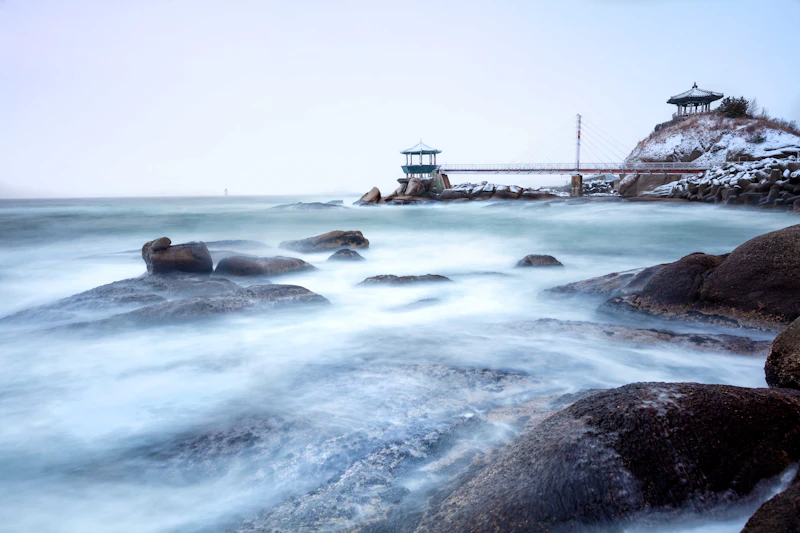
Yeonggeumjeong is a small traditional pavilion perched on a rocky outcrop overlooking the East Sea, located in the Jangsa-dong area of Sokcho. Far less visited than the major attractions, this quiet spot offers one of the most meditative ocean views on the entire east coast.
The pavilion dates back centuries and was traditionally a place where scholars and poets came to contemplate the sea. Today, it remains a peaceful retreat where you can sit, listen to the waves, and understand why Korean artists have been inspired by this coastline for generations.
Pro tip: Yeonggeumjeong is best visited early in the morning or at sunset. The surrounding coastal rocks are perfect for photography, and the area sees very few tourists even during peak season. Combine with a drive or taxi ride along the coastal road between Sokcho and Yangyang for a scenic half-day excursion that reveals hidden beaches and tiny fishing ports along the way.
East Coast Food Guide – What to Eat and Where
The east coast’s culinary identity revolves around two things: the freshest seafood in Korea and unique regional specialties you simply cannot find elsewhere. The cold, clean waters of the East Sea produce fish and shellfish with a sweetness and texture that seafood lovers will remember for years.
| Dish | Description | Where to Try | Price Range |
|---|---|---|---|
| Hwae (Raw Fish) | Ultra-fresh sashimi from morning catch, served with spicy cho-gochujang sauce, perilla leaves, and garlic | Sokcho Jungang Market seafood floor, Gangneung Jumunjin Port restaurants | 25,000 – 50,000 KRW per set |
| Ojingeo Sundae | Whole squid stuffed with tofu, vegetables, and glass noodles, a Sokcho signature dish with North Korean origins | Abai Village original restaurants, Sokcho Jungang Market food stalls | 8,000 – 15,000 KRW |
| Chodang Sundubu | Silky soft tofu made with mineral-rich East Sea water, served as stew or fresh with soy dipping sauce | Chodang Tofu Village (cluster of 20+ restaurants near Gyeongpo), Gangneung Central Market | 8,000 – 12,000 KRW |
| Gangneung Coffee | Artisan single-origin pour-over and espresso from Korea’s coffee capital, many roasted on-site at Anmok cafes | Anmok Coffee Street (30+ cafes), Bossam Donghwa Coffee in downtown Gangneung | 4,500 – 8,000 KRW |
| Dakgalbi | Spicy stir-fried chicken with cabbage, sweet potato, rice cakes, and gochujang sauce, a Chuncheon original popular across Gangwon Province | Sokcho dakgalbi restaurants near Jungang Market, Gangneung City Center | 12,000 – 16,000 KRW per person |
Foodie tip: The single best food experience on the east coast is buying a whole raw fish at Sokcho Jungang Market’s seafood section and having it prepared upstairs. You get restaurant-quality sashimi at market prices, plus the kitchen makes spicy maeuntang (fish head stew) from the leftovers. For two people, expect to spend around 30,000-40,000 KRW total for a feast that would cost double at a waterfront restaurant.
Getting There – Seoul to Gangneung and Sokcho
Getting to the east coast from Seoul is easier than ever in 2026, thanks to the KTX high-speed rail line that opened for the 2018 Olympics. Here are your options:
| Transport | Route | Duration | Cost (One Way) | Frequency | Notes |
|---|---|---|---|---|---|
| KTX | Seoul Station / Cheongnyangni to Gangneung | 1 hr 50 min | 27,600 KRW | 12+ daily | Fastest and most comfortable option. Book via Korail app or website. Weekend trains sell out – reserve 1-2 weeks ahead. |
| Express Bus | Seoul Express Bus Terminal to Gangneung | 2 hr 30 min | 18,000 – 24,000 KRW | Every 15-30 min | Cheaper than KTX with frequent departures. Premium buses have wider seats and more legroom. |
| Express Bus | Seoul Express Bus Terminal to Sokcho | 2 hr 40 min | 19,500 – 26,000 KRW | Every 20-40 min | Direct service to Sokcho. The Seoul-Yangyang Expressway cut travel time significantly. |
| Intercity Bus | Dong Seoul Terminal to Sokcho | 2 hr 30 min | 17,300 KRW | Every 30 min | Convenient if staying in eastern Seoul. Dong Seoul Terminal is on Subway Line 2. |
| Rental Car | Seoul to Gangneung via Yeongdong Expressway | 2 hr 30 min – 3 hr 30 min | 50,000 – 80,000 KRW/day | Self-scheduled | Best for exploring coastal villages between cities. Tolls approximately 15,000 KRW one way. Avoid Friday evenings and Sunday afternoons – traffic can double travel time. |
Our recommendation: Take the KTX to Gangneung, then use intercity buses to reach Sokcho and explore the coast. This combination gives you the speed of the train and the flexibility of bus travel between the two cities. The Gangneung-Sokcho intercity bus runs every 10-15 minutes and takes about 1 hour (5,800 KRW).
Getting Around Gangneung and Sokcho
Neither Gangneung nor Sokcho has a subway system, so getting around requires a combination of local buses, taxis, and walking. Here is what works best:
Local Buses: Both cities have reliable bus networks that connect major attractions. In Gangneung, buses 202 and 230 cover the main tourist corridor between the KTX station, downtown, Gyeongpo Beach, and Anmok Coffee Street. In Sokcho, bus routes connect the intercity bus terminal to Seoraksan National Park, the beach, and Jungang Market. Use the Naver Map or KakaoMap app for real-time bus schedules and route planning – they work well in English and are essential for navigating the bus system.
Taxis: Taxis are affordable and plentiful in both cities. A ride across Gangneung rarely exceeds 8,000 KRW, and Sokcho is even more compact. Most drivers do not speak English, so having your destination written in Korean or shown on a map app is important. KakaoTaxi (Korea’s ride-hailing app) works here and eliminates the language barrier entirely.
Rental Car: If you plan to explore the coastline between Gangneung and Sokcho, a rental car transforms the experience. The coastal road (Route 7) is one of Korea’s most scenic drives, passing through small fishing villages, hidden beaches, and dramatic cliff viewpoints that are nearly impossible to reach by public transport. International driving permits are accepted. Book through Lotte Rent-a-Car or Jeju Rent-a-Car at the Gangneung KTX station.
Bicycle: Gangneung is increasingly bike-friendly, with dedicated cycling paths connecting Gyeongpo Beach, Gyeongpo Lake, and Anmok Coffee Street. Bike rental stations are located near major attractions and cost around 3,000-5,000 KRW per hour. This is the most enjoyable way to explore the Gyeongpo area on a nice day.
Where to Stay – Best Hotels and Pensions
Accommodation on the east coast is dominated by “pensions” – Korean-style vacation rentals that range from basic apartments to luxurious seaside villas. Hotels exist in city centers, but the pension experience is quintessentially east coast and often offers better value, especially for groups.
Top Gangneung Accommodations
Gangneung offers the widest selection of accommodations on the east coast, from beachfront pensions to modern city hotels near the KTX station. The Gyeongpo Beach area is the most popular zone for visitors, putting you within walking distance of the beach, coffee street, and major attractions.
- Gangneung Santa Beach Pension – A beachfront pension with direct ocean views and family-friendly rooms. Ideal for travelers who want to wake up to the sound of waves and walk straight onto the sand.
- Gangneung Daleulsamkinbada Pension – A uniquely designed pension whose name translates to “sea that swallowed the moon.” Known for its romantic atmosphere and stunning sunset views from private balconies.
- M Spa Pension – A premium pension featuring private spa facilities in each room. Perfect for couples or anyone seeking a relaxing retreat after a day of hiking or beach exploration.
- Gangneung Stay Andamiro – A modern and stylish accommodation with clean, contemporary design. Well-located for accessing both Gyeongpo Beach and downtown Gangneung attractions.
Top Sokcho Accommodations
Sokcho’s accommodation scene centers around two areas: the beach zone for ocean lovers and the Seoraksan entrance area for hikers. Pensions here tend to be more rustic and affordable than Gangneung, with a charming coastal village atmosphere.
- Sokcho Pensionbyeol – A well-rated pension offering comfortable rooms and convenient access to both Sokcho Beach and the city’s main attractions. Great value for budget-conscious travelers.
- Sokcho Harmony Pension – A peaceful pension with a harmonious blend of comfort and natural surroundings. Popular with families and small groups looking for a relaxing base in Sokcho.
- Cheongchoho Best Hotel – Located near scenic Cheongchoho Lake, this hotel offers modern amenities and easy access to Abai Village, the lake promenade, and Sokcho’s waterfront dining scene.
- Sokcho Pension Cruise – A distinctive pension with a nautical theme and ocean-facing rooms. Its location provides quick access to both Sokcho Beach and the intercity bus terminal for Seoraksan trips.
Booking tip: For the best selection and rates on east coast accommodations, search on Agoda, which consistently offers the widest inventory of Korean pensions and competitive pricing. Book at least 2-3 weeks ahead for summer weekends and fall foliage season, when popular pensions sell out quickly.
Budget Planning – How Much Does the East Coast Cost?
The east coast is generally more affordable than Seoul or Busan, especially for accommodation and food. Here is a realistic daily budget breakdown for different travel styles:
| Category | Budget ($50-70/day) | Mid-Range ($80-120/day) | Comfort ($130-200/day) |
|---|---|---|---|
| Accommodation | Guesthouse or basic pension: 30,000 – 50,000 KRW | Mid-range pension or hotel: 60,000 – 100,000 KRW | Premium pension or resort: 120,000 – 200,000 KRW |
| Food | Markets and local restaurants: 20,000 – 30,000 KRW | Mix of markets and sit-down restaurants: 35,000 – 50,000 KRW | Quality restaurants and cafes: 50,000 – 80,000 KRW |
| Transport | Local buses: 5,000 – 8,000 KRW | Buses and occasional taxi: 10,000 – 20,000 KRW | Taxis and rental car: 30,000 – 60,000 KRW |
| Activities | Free beaches, hiking, market visits: 0 – 5,000 KRW | Park entries, cable car, museum: 10,000 – 20,000 KRW | Full experiences, guided tours: 20,000 – 40,000 KRW |
| Daily Total | 55,000 – 93,000 KRW ($40 – $70) | 115,000 – 190,000 KRW ($85 – $140) | 220,000 – 380,000 KRW ($165 – $285) |
Money-saving tips: The east coast is one of the best-value destinations in Korea. Eat at traditional markets for huge savings over restaurants. Many of the best experiences – beach walks, hiking trails, sunrise viewing, coastal drives – are completely free. Buy a T-money card for bus travel and save the small per-ride discount. Book pensions with kitchen facilities and cook at least one meal a day using fresh ingredients from local markets.
Perfect 3-Day East Coast Itinerary
This itinerary covers the highlights of both Gangneung and Sokcho in three full days. It is designed for travelers arriving by KTX from Seoul and assumes you will use a combination of intercity buses, local buses, and taxis to get around.
| Day | Morning | Afternoon | Evening |
|---|---|---|---|
| Day 1 – Gangneung | Arrive via KTX from Seoul. Visit Ojukheon and Seongyojang House for a cultural introduction to the region. | Explore Anmok Coffee Street – visit 2-3 cafes with ocean views. Walk along Gyeongpo Beach and the eco trail around Gyeongpo Lake. | Dinner at Chodang Tofu Village for sundubu-jjigae. Evening walk along the Gyeongpo Beach promenade under the stars. |
| Day 2 – Sokcho & Seoraksan | Early bus to Sokcho (1 hr). Head directly to Seoraksan National Park. Hike the Ulsanbawi Rock trail or take the Gwongeumseong Cable Car. | Continue exploring Seoraksan – visit Sinheungsa Temple and Biryong Falls if time permits. Return to Sokcho by late afternoon. | Fresh sashimi at Sokcho Jungang Market. Walk through Abai Village and ride the gaetbae ferry. Stroll the Cheongchoho Lake promenade. |
| Day 3 – Sokcho & Return | Sunrise at Sokcho Beach or Yeonggeumjeong pavilion. Breakfast at Jungang Market (try dakgangjeong and sundae). Browse the market stalls. | Bus back to Gangneung. Last-minute coffee stop at Anmok or explore Gangneung Central Market for souvenirs and snacks. | KTX back to Seoul (1 hr 50 min). Alternatively, visit Jeongdongjin for sunset before catching a later train. |
Itinerary tips: This 3-day plan works best from Thursday to Saturday or Friday to Sunday to avoid the worst weekend crowds at Seoraksan. If you have a fourth day, spend it driving or busing along the coastal road between Gangneung and Sokcho, stopping at hidden beaches and fishing villages along the way. Alternatively, dedicate a full day to Seoraksan for the Daecheongbong summit hike if you are an experienced hiker.
Book Your East Coast Stay
Ready to plan your Gangneung and Sokcho trip? Search and compare the best east coast hotels and pensions on Agoda to find the perfect accommodation for your travel style and budget. Booking in advance is especially important during summer (July-August) and fall foliage season (October), when the most popular beachfront pensions and Seoraksan-area hotels sell out weeks ahead.
Frequently Asked Questions
How do I get from Gangneung to Sokcho?
The most convenient option is the intercity bus that runs every 10-15 minutes from Gangneung Intercity Bus Terminal to Sokcho. The ride takes approximately 1 hour and costs 5,800 KRW. Alternatively, you can take a taxi for around 60,000-70,000 KRW if you are in a group (splitting the cost makes it reasonable). There is currently no direct KTX service to Sokcho, though an extension is planned for the future. If you have a rental car, the coastal Route 7 drive takes about 50 minutes and passes through scenic fishing villages worth stopping at along the way.
Is the KTX from Seoul to Gangneung worth it?
Absolutely. The KTX cuts the journey from Seoul to Gangneung from 4-5 hours by bus to just 1 hour 50 minutes, making weekend trips genuinely feasible. Seats are comfortable, the train has Wi-Fi, and you arrive at Gangneung KTX station which is centrally located. The only downside is price (27,600 KRW vs roughly 18,000-24,000 KRW for express bus) and the fact that weekend trains sell out quickly. Book through the Korail website or app at least a week in advance for Friday afternoon or Sunday evening departures.
When is the best time to see fall foliage at Seoraksan?
Seoraksan is typically the first place in mainland South Korea where autumn colors appear, starting at the Daecheongbong summit in late September and gradually descending to the lower valleys by late October. The peak foliage period at the most popular mid-elevation trails (including Ulsanbawi and Biryong Falls) is usually from October 10 to October 25, though this varies by a week or so each year depending on weather conditions. Check Korean weather services for annual foliage forecasts starting in early September. During peak foliage weekends, arrive at the park before 8am to secure parking and beat the crowds.
Can I do Gangneung and Sokcho as a day trip from Seoul?
You can visit Gangneung as a day trip thanks to the KTX, but it will be rushed. A realistic day trip would let you explore Anmok Coffee Street, Gyeongpo Beach, and one other attraction before catching an evening train back. Adding Sokcho to a day trip is not practical due to the extra hour of travel each way. We strongly recommend at least two nights (three days) to properly experience both cities without feeling hurried. The east coast rewards a slower pace, and the sunrise and sunset experiences that define the region are impossible to enjoy on a same-day return schedule.
Do I need to speak Korean to travel the east coast?
English proficiency on the east coast is lower than in Seoul or Busan, so some preparation helps. Most signage at major attractions is bilingual, and the KTX system is fully English-friendly. However, at traditional markets, local restaurants, and smaller pensions, English may be very limited. Download Naver Map or KakaoMap (far superior to Google Maps in Korea) and Papago (Korea’s best translation app) before your trip. Having your accommodation address written in Korean is essential for taxis. In our experience, even without Korean language skills, the warmth and helpfulness of east coast locals bridges most communication gaps.
What should I pack for an east coast trip?
Pack layers regardless of season – the ocean breeze and mountain elevations create variable temperatures throughout the day. Essential items include comfortable hiking shoes if you plan to visit Seoraksan (trail shoes at minimum, proper hiking boots for summit attempts), sunscreen and a hat for beach days, a light rain jacket (especially May-September), and a warm layer for early morning sunrise viewing even in summer. If you plan to eat at traditional markets, bring hand sanitizer and a small towel. A portable battery charger is invaluable for long days of navigation and photography. During fall and winter, pack thermal underlayers as mountain temperatures can drop significantly below coastal readings.