Jeju Island Travel Guide 2026: Koreas Tropical Paradise

Jeju Island Travel Guide 2026: Korea’s Tropical Paradise

Last updated: April 2026

TL;DR – Jeju Island Travel Guide 2026

  • Best time to visit: April-June (spring) and September-November (autumn) offer the most pleasant weather and fewer crowds.
  • Getting there: Direct flights from Seoul (1 hour), Busan (55 min), and international cities including Tokyo, Osaka, Shanghai, and Taipei.
  • Visa: Jeju Island offers visa-free entry for citizens of most countries for up to 30 days — no Korean visa required.
  • Budget: Plan for $80-150 USD per day for mid-range travel including accommodation, food, transport, and activities.
  • Must-do: Hike Hallasan (South Korea’s tallest peak), watch sunrise at Seongsan Ilchulbong, explore Manjanggul Lava Cave, and feast on black pork BBQ.
  • Getting around: Renting a car is strongly recommended — public transport covers main areas but misses hidden gems.
  • Where to stay: Jeju City for nightlife and convenience; Seogwipo for nature and tranquility.
  • Book hotels: Find the best Jeju hotel deals on Agoda
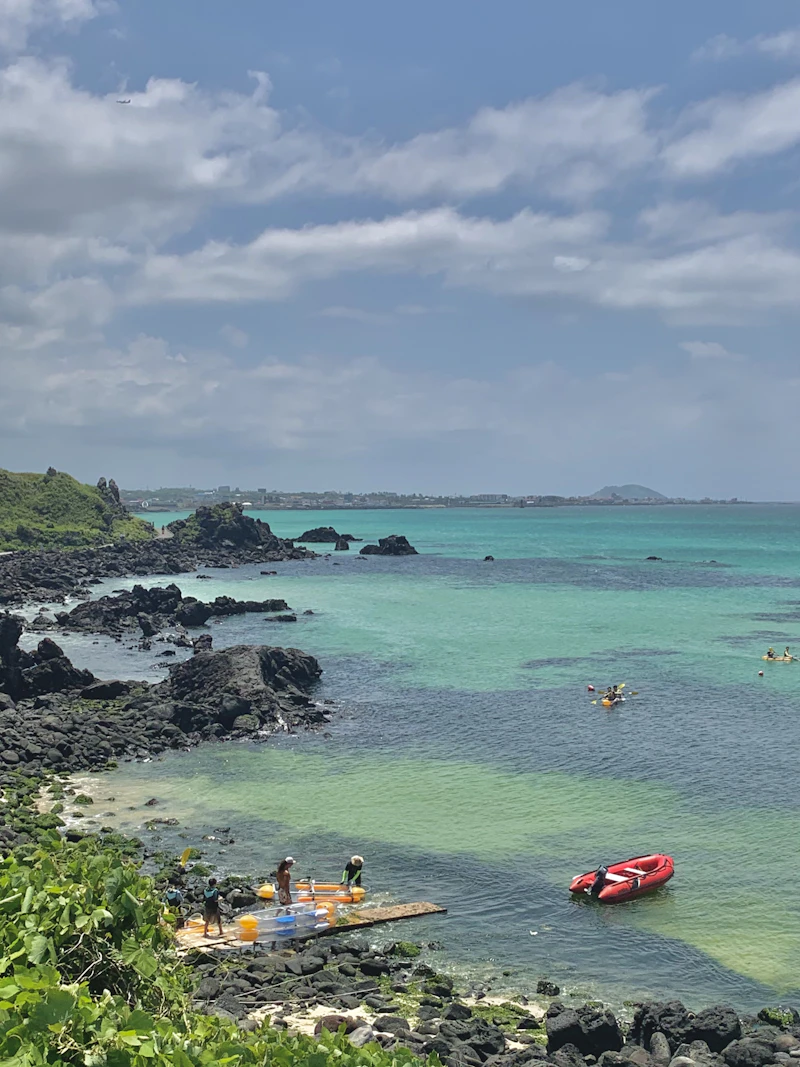
Jeju Island coastline with dramatic volcanic cliffs and turquoise ocean waters in South Korea
The stunning volcanic coastline of Jeju Island — a UNESCO World Heritage treasure

Jeju Island (also known as Jejudo) is South Korea’s crown jewel of natural beauty. Sitting roughly 80 kilometers off the southern coast of the Korean peninsula, this volcanic island has earned its reputation as one of Asia’s top travel destinations. Whether you are drawn to dramatic volcanic landscapes, pristine beaches, world-class hiking, or some of the freshest seafood you will ever taste, this Jeju Island travel guide 2026 covers everything you need to plan an unforgettable trip.

With over 15 million visitors annually (and growing), Jeju continues to evolve while preserving the natural wonders that earned it UNESCO World Heritage status. In this comprehensive guide, we will walk you through the best times to visit, top attractions, where to stay, what to eat, how to get around, and practical tips to make the most of your Jeju adventure in 2026.

Why Visit Jeju Island in 2026?

Jeju Island stands apart from any other destination in South Korea — and for good reason. Here is why 2026 is an exceptional year to visit:

UNESCO Triple Crown

Jeju is the only place on Earth to hold all three UNESCO natural science designations simultaneously: a Biosphere Reserve (2002), a World Natural Heritage Site (2007), and a Global Geopark (2010). This triple crown recognition means the island’s volcanic landscapes, lava tubes, and unique ecosystems are among the most scientifically significant on the planet. Walking through Jeju is like stepping into a living geology textbook.

Visa-Free Entry

One of Jeju’s biggest advantages for international travelers is its visa-free entry policy. Citizens of most countries can enter Jeju Island without a Korean visa for stays up to 30 days, as long as you fly directly to Jeju International Airport (CJU). This makes Jeju one of the most accessible destinations in East Asia. Note that this policy applies specifically to Jeju — if you plan to travel to mainland South Korea afterward, standard visa requirements apply.

Nature and Adventure

From the summit of Hallasan (South Korea’s tallest mountain at 1,950 meters) to the depths of the world’s longest lava tube system, Jeju delivers outdoor experiences that rival destinations many times its size. The island features over 360 parasitic volcanic cones (called oreum), more than 60 kilometers of pristine coastline, ancient forests, waterfalls, and a subtropical climate that supports species found nowhere else in Korea. Whether you are a serious hiker, a casual beach lover, or a curious explorer, Jeju has something extraordinary waiting for you.

New Developments in 2026

Jeju continues to invest in sustainable tourism infrastructure. In 2026, visitors can enjoy expanded Olle Trail segments, improved coastal cycling paths, new eco-friendly accommodations, and enhanced public transit routes connecting major attractions. The island has also ramped up its commitment to carbon-neutral tourism, making it an increasingly responsible travel choice.

Best Time to Visit Jeju Island

Jeju Island is a year-round destination, but each season brings a distinctly different experience. The island’s subtropical oceanic climate means milder winters than mainland Korea and pleasantly warm (though humid) summers. Here is a detailed breakdown to help you choose the perfect time for your visit:

Season Months Temperature Highlights Crowd Level Rating
Spring March – May 10-20C (50-68F) Rapeseed flower fields, cherry blossoms, mild weather, green tea harvest Moderate Best
Summer June – August 23-33C (73-91F) Beach season, water sports, monsoon rains (July), lush greenery Very High Good
Autumn September – November 12-23C (54-73F) Stunning foliage, silver grass on oreums, hallabong season begins, clear skies Moderate Best
Winter December – February 2-8C (36-46F) Camellia flowers, snow-capped Hallasan, lowest prices, fewest tourists Low Good (Budget)

Our recommendation: Visit in April-May for the iconic rapeseed flower fields that blanket the island in brilliant yellow, or come in October-November for spectacular autumn foliage and comfortable temperatures. Both periods offer the best balance of weather, scenery, and manageable crowds.

If you are on a budget, winter (December-February) offers the lowest accommodation prices and thinnest crowds. While some outdoor activities are limited, winter Jeju has its own magic — the camellia forests bloom in vivid red, and a snow-dusted Hallasan summit is one of Korea’s most photographed winter scenes.

Jeju City vs. Seogwipo: Where Should You Base Yourself?

Jeju Island is divided into two main cities: Jeju City in the north and Seogwipo in the south. Each has a distinct personality, and your choice of base can significantly shape your trip experience. Here is a detailed comparison:

Category Jeju City (North) Seogwipo (South)
Vibe Urban, bustling, commercial Relaxed, scenic, nature-focused
Airport Access 10-20 minutes 50-70 minutes
Accommodation Wide range from budget to luxury; more hotels and hostels Boutique stays, pensions, resorts; quieter options
Nightlife Bars, clubs, night markets in Tapdong and Nuwemaru Limited; quiet evenings with ocean views
Food Scene More restaurants, cafes, and international cuisine Excellent local seafood, traditional markets
Nature Access Hallasan northern trails, Hamdeok Beach, Manjanggul Cave Seongsan Ilchulbong, Cheonjiyeon Falls, Jungmun Beach, Jusangjeolli Cliffs
Public Transport Better bus coverage and frequency Less frequent buses; car recommended
Best For First-time visitors, solo travelers, nightlife seekers Couples, families, nature lovers, relaxation
Average Hotel Price $60-150 USD / night $50-130 USD / night

Our suggestion: If it is your first time visiting Jeju and you are only staying 3-4 days, base yourself in Jeju City for convenience and explore the south on day trips. For longer stays (5+ days), consider splitting your time between both cities — 2-3 nights in Jeju City and 2-3 nights in Seogwipo. If you are renting a car (which we strongly recommend), your base matters less since nowhere on the island is more than 90 minutes away.

Top 10 Must-Visit Attractions in Jeju Island

Jeju Island packs an astonishing number of world-class attractions into an island roughly the size of Maui. Here are the ten places you absolutely cannot miss:
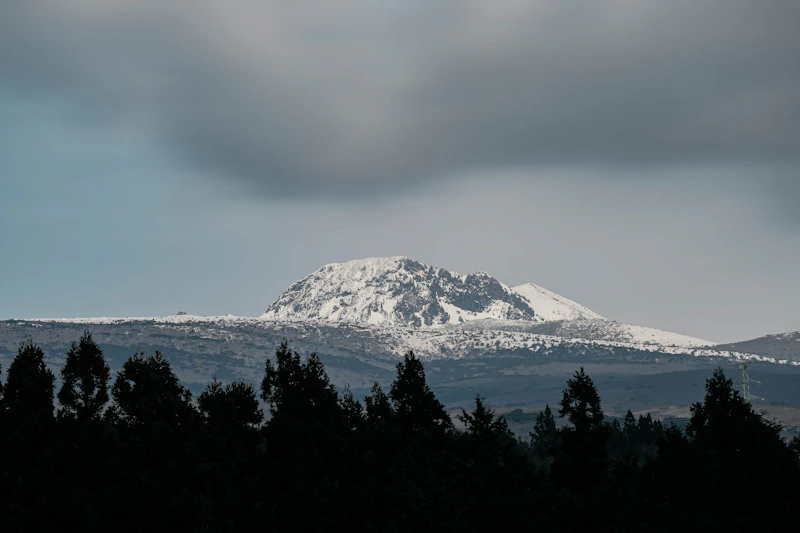
Hallasan Mountain on Jeju Island surrounded by lush forest and volcanic landscape
Hallasan — South Korea’s tallest peak and a must-hike for every Jeju visitor

1. Hallasan National Park

Standing at 1,950 meters, Hallasan is South Korea’s tallest mountain and the volcanic heart of Jeju Island. This dormant shield volcano dominates the island’s center and is visible from virtually everywhere. The hike to the summit crater lake (Baengnokdam) is one of Korea’s premier outdoor experiences, offering panoramic views that stretch to the ocean in every direction.

There are multiple trails to choose from. The Seongpanak Trail (9.6 km one way) and Gwaneumsa Trail (8.7 km) are the only two routes that reach the summit. Budget 8-10 hours round trip and start early — summit access closes at specific times depending on the season (usually around noon). The Yeongsil and Eorimok trails are shorter alternatives that reach the 1,700-meter level and still deliver spectacular scenery. Hallasan is a UNESCO World Heritage Site and requires no entry fee, though you must register at the trailhead.

2. Seongsan Ilchulbong (Sunrise Peak)

Seongsan Ilchulbong is perhaps Jeju’s most iconic landmark — a dramatic volcanic crater rising 182 meters from the ocean at the island’s eastern tip. Formed by a volcanic eruption roughly 5,000 years ago, this tuff cone features a massive crater at its summit surrounded by 99 rocky peaks that resemble a giant crown.

The 30-minute hike to the top is well worth the effort, especially at sunrise when the views are absolutely breathtaking. The crater floor is covered in lush grass and the surrounding ocean sparkles in the early morning light. Even if you are not a morning person, the views at any time of day are spectacular. At the base, you can often watch Jeju’s famous haenyeo (female free-divers) harvesting seafood from the ocean — a UNESCO Intangible Cultural Heritage tradition. Entry fee is around 5,000 KRW (about $4 USD).

3. Manjanggul Lava Cave

Manjanggul Cave is one of the longest lava tubes in the world, stretching over 7.4 kilometers underground. Only about 1 kilometer is open to visitors, but that is more than enough to leave you awestruck. Inside, you will find massive lava columns, formations created by flowing molten rock thousands of years ago, and the world’s largest known lava column standing at nearly 8 meters tall.

The cave maintains a cool temperature (around 11-21C year-round), making it an excellent escape from summer heat or a fascinating rainy-day activity. The walkway is well-maintained with atmospheric lighting. Bring a light jacket and wear sturdy shoes. Entry is approximately 4,000 KRW ($3 USD).

4. Cheonjiyeon Waterfall

Cheonjiyeon Waterfall, whose name translates to “pond of the gods,” is one of Jeju’s most beautiful natural wonders. The 22-meter-high waterfall cascades into a deep turquoise pool surrounded by lush subtropical vegetation. The short walking trail to the falls takes you through a forest filled with rare plants, including the damsupjeongi fern and wild orchids.

Located in central Seogwipo, it is easily accessible and makes for a perfect half-day excursion. Visit in the morning for softer light and fewer crowds. The surrounding area has several cafes and restaurants, making it easy to combine with lunch in Seogwipo. Entry fee is approximately 2,500 KRW ($2 USD).

5. Udo Island

Udo Island (Udo-bong) is a tiny coral island just a 15-minute ferry ride from Jeju’s eastern shore, and it feels like a miniature paradise within a paradise. Known for its turquoise waters, white sand beaches (especially Sanho Beach with its coral sand), and laid-back atmosphere, Udo is perfect for a full-day island-hopping adventure.

Rent an electric scooter or bicycle to circle the island (about 17 km) and stop at the lighthouse viewpoint, peanut ice cream shops (a Udo specialty), and secluded swimming spots. The island is also famous for its haenyeo divers and fresh seafood restaurants. Ferries depart regularly from Seongsan Port, and the round trip costs approximately 8,500 KRW ($7 USD).

6. Jeju Olle Trail

The Jeju Olle Trail is a network of 27 walking routes (totaling over 425 kilometers) that trace the island’s coastline and weave through villages, forests, and volcanic landscapes. Inspired by Spain’s Camino de Santiago, each route is between 11 and 23 kilometers long and takes 4-7 hours to complete.

You do not need to complete the entire network. Popular individual routes include Route 7 (the most famous, following the southern coast near Jungmun), Route 1 (starting from Seongsan), and Route 10 (featuring beautiful forest and mountain scenery). The trails are well-marked with blue and orange ribbon markers. It is completely free and one of the best ways to experience the real Jeju beyond the tourist hotspots.

7. Innisfree Jeju House

For fans of Korean beauty (K-beauty), the Innisfree Jeju House in Seogwipo is a pilgrimage site. This beautiful eco-complex set amid green tea fields lets you experience the natural ingredients that go into Innisfree’s famous skincare products. You can make your own soap using Jeju volcanic clay, enjoy organic green tea beverages, and shop for Jeju-exclusive products not available anywhere else.

The surrounding green tea fields are gorgeous, especially in spring and early summer when the terraced rows glow in vivid green. Free entry to the grounds; DIY workshops cost approximately 5,000-15,000 KRW ($4-12 USD).

8. Teddy Bear Museum

The Teddy Bear Museum in the Jungmun Resort Complex might sound quirky, but it is actually one of Jeju’s most-visited attractions — and for good reason. The museum houses an impressive collection of teddy bears from around the world, many staged in elaborate dioramas recreating famous historical scenes, artworks, and cultural landmarks.

It is especially popular with families and couples, and the outdoor garden overlooking the coast offers excellent photo opportunities. The museum shop has unique Jeju-themed bears that make great souvenirs. Entry is approximately 14,000 KRW ($11 USD) for adults.

9. Jusangjeolli Cliffs

The Jusangjeolli Cliffs are a stunning example of Jeju’s volcanic geology. These hexagonal basalt columns, formed when lava from Hallasan cooled rapidly upon contact with the ocean, line the coast near Jungmun. The geometric precision of these natural pillars — some rising up to 20 meters — is mesmerizing, especially when waves crash against them.

A wooden boardwalk along the cliff edge provides safe viewing points and excellent photo angles. Visit during high tide for the most dramatic wave action. The site is compact and can be explored in about 30-45 minutes, making it easy to combine with nearby Jungmun Beach and the Teddy Bear Museum. Entry is approximately 2,000 KRW ($1.50 USD).

10. Seopjikoji

Seopjikoji is a gorgeous coastal area on Jeju’s eastern shore, famous for its sweeping ocean views, rapeseed flower fields (in spring), and dramatic cliffs. This scenic promontory gained fame as a filming location for several Korean dramas and movies, and it is easy to see why — the combination of volcanic rock, wildflowers, and sea views is incredibly photogenic.

A walking trail loops around the area and takes about 40-60 minutes. The Bada Glass House (designed by architect Tadao Ando) sits at the far end and offers a stunning architectural contrast against the wild landscape. Seopjikoji is especially magical at sunset. Free entry and free parking.

Jeju Food Guide: What to Eat

Jeju’s cuisine is as unique as its landscape. Surrounded by ocean and blessed with fertile volcanic soil, the island has developed a food culture distinct from mainland Korea. Fresh seafood, black pork, and citrus fruits are the pillars of Jeju’s culinary identity. Here are the must-try dishes and what you can expect to pay:
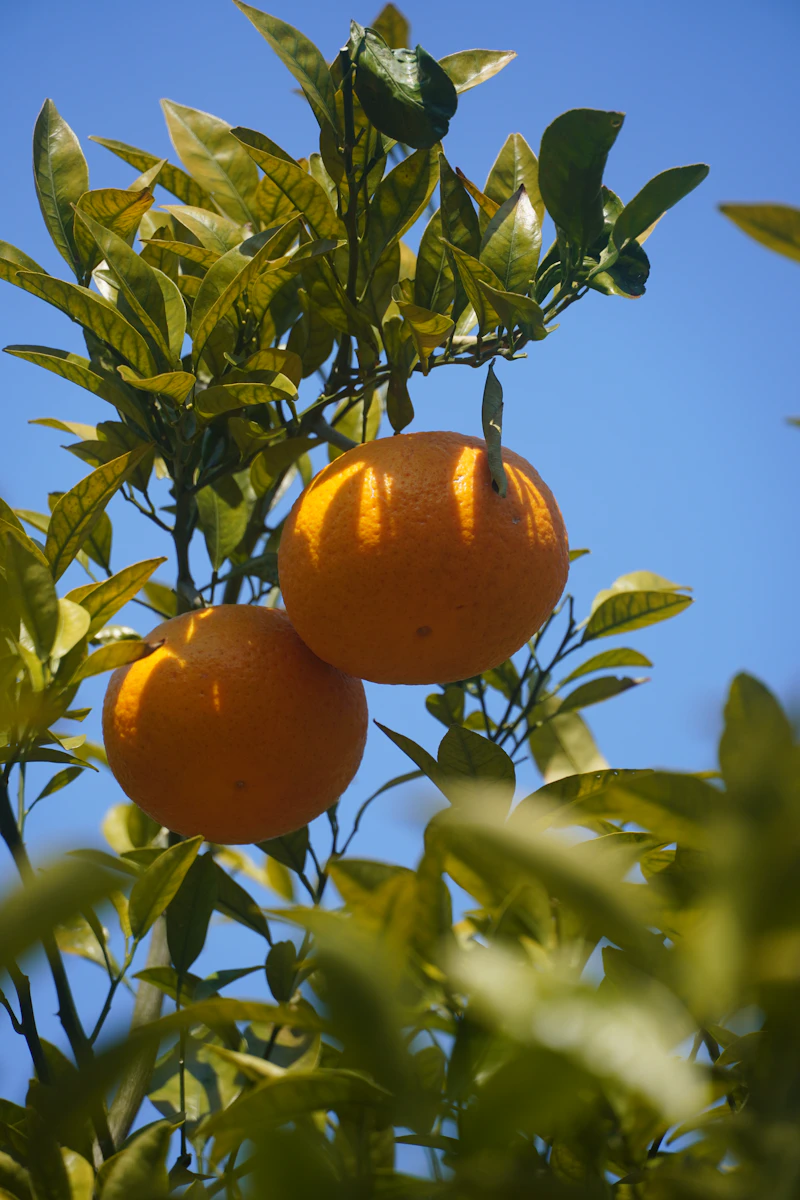
Fresh Jeju Island food including tangerines and traditional Korean cuisine
Jeju’s fresh local ingredients — from hallabong tangerines to seafood straight from the ocean
Dish Description Price Range (KRW) Price Range (USD) Where to Try
Jeju Black Pork BBQ Premium pork from Jeju’s native black pigs, grilled at your table. Richer and more flavorful than regular pork with a distinctive nutty taste. 15,000 – 25,000 per serving $12 – $20 Black Pork Street (Heukdwaeji Street) in Jeju City
Haemul-tang (Seafood Stew) Enormous hot pot brimming with fresh crab, shrimp, octopus, clams, and vegetables in a spicy broth. Usually serves 2-3 people. 40,000 – 60,000 per pot $30 – $46 Dongmun Traditional Market, coastal restaurants
Jeonbok-juk (Abalone Porridge) Creamy rice porridge cooked with fresh Jeju abalone. Mild, nourishing, and perfect for breakfast. A true Jeju comfort food. 12,000 – 18,000 $9 – $14 Restaurants near Seongsan, Udo Island
Hallabong Tangerines Jeju’s famous sweet citrus fruit with a distinctive bump on top. Also available as juice, marmalade, and chocolate. Peak season: December-March. 5,000 – 15,000 per bag $4 – $12 Roadside stands, traditional markets, farms
Jeju Makgeolli Traditional Korean rice wine brewed with Jeju’s clean water. Often flavored with hallabong, kiwi, or other local fruits. Mildly sweet and fizzy. 5,000 – 8,000 per bottle $4 – $6 Local bars, convenience stores, traditional markets
Omegi-tteok Jeju’s signature rice cake made from millet and filled with sweet red bean paste. Chewy, satisfying, and unique to the island. 2,000 – 5,000 per box $1.50 – $4 Traditional markets, souvenir shops, bakeries

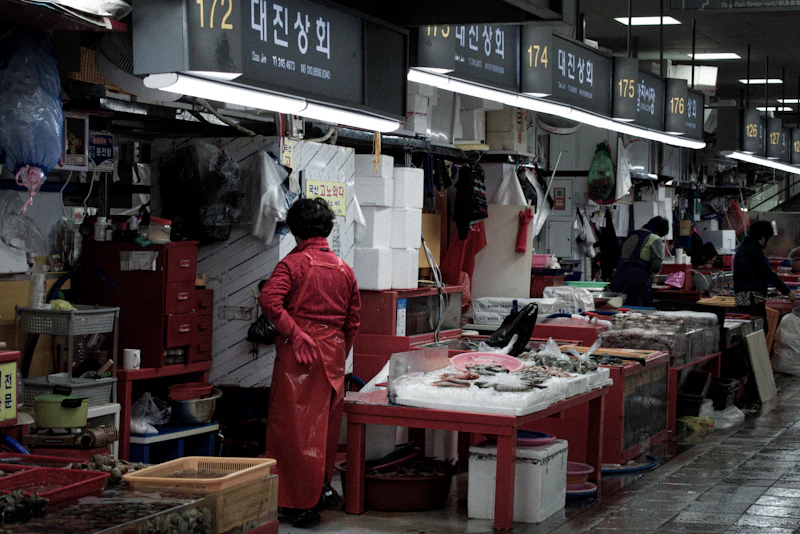
Pro tip: For the freshest seafood experience, visit Dongmun Traditional Market in Jeju City. You can buy live seafood on the ground floor and have it prepared at restaurants upstairs for a small cooking fee. It is the best value seafood dining on the island. Also, do not miss trying raw horse meat (a Jeju delicacy) if you are feeling adventurous — it is typically served thinly sliced with sesame oil and salt.

Getting Around Jeju Island

How you get around Jeju will significantly impact your experience. The island is roughly 73 km wide and 41 km from north to south, making it manageable but too large to explore on foot. Here is a comparison of your main transport options:

Transport Cost Convenience Coverage Best For Our Rating
Rental Car 30,000 – 80,000 KRW/day ($23 – $60 USD) + fuel Excellent — go anywhere, anytime 100% of the island including hidden gems Everyone (strongly recommended) BEST CHOICE
Public Bus 1,200 – 3,000 KRW per ride ($1 – $2.30 USD) Moderate — main routes are good, rural areas limited Major attractions and cities only Budget travelers, solo travelers, Jeju City-based trips Good
Taxi 3,800 KRW base + 1,000 KRW per km (~$3 + $0.75/km) Good for short trips, expensive for long distances Anywhere, but costly for full-day touring Short trips, airport transfers, late-night travel Situational
Tour Bus / Package 40,000 – 80,000 KRW per day ($30 – $60 USD) Easy — no planning needed Set itinerary, major sights only Non-drivers, limited time, first-time visitors Convenient
Electric Scooter 20,000 – 40,000 KRW/day ($15 – $30 USD) Fun but weather-dependent and limited range Coastal areas, flat terrain only Short trips, Udo Island exploration Fun Add-on

We strongly recommend renting a car. A rental car transforms your Jeju experience. Many of the island’s best spots — hidden cafes perched on cliffs, secluded beaches, tiny fishing villages, scenic coastal roads — are simply unreachable or extremely inconvenient by public transport. Driving in Jeju is straightforward: roads are well-maintained and well-signposted (in Korean and English), traffic is light compared to mainland cities, and GPS navigation (via Naver Map or Kakao Map apps) works perfectly.

International visitors can rent a car with a valid International Driving Permit (IDP) plus their home country license. Major rental companies at Jeju Airport include Lotte Rent-a-Car, Jeju Rent-a-Car, and KT Kumho. Book in advance during peak seasons (summer, Korean holidays) as cars sell out quickly. Most rentals include basic insurance, but we recommend purchasing full coverage (around 10,000-15,000 KRW extra per day) for peace of mind.

Where to Stay in Jeju Island

Jeju offers accommodation ranging from budget guesthouses and hostels to world-class luxury resorts. Where you stay depends on your priorities, travel style, and which part of the island you want to explore most. We have curated a list of our top-reviewed hotels across different areas and budgets:

Hotel Area Style Best For Review
Zen Hideaway Jeju South Jeju Boutique / Retreat Couples, relaxation seekers Read Review
Jeju Haemil Resort Seogwipo Resort Families, mid-range budgets Read Review
Ocean Square Resort Seogwipo Resort Ocean views, beach access Read Review
UTOP UBLESS Hotel Hamdeok Hamdeok (North) Modern Hotel Beach lovers, stylish travelers Read Review
Benikea Jungmun Hotel Jungmun Mid-Range Hotel Families, resort area access Read Review
Top Island Hotel Jeju City Business / Value Budget-conscious travelers, city convenience Read Review
Dyne Resort Jeju Resort Leisure travelers, groups Read Review
I Jin Hotel Jeju City Value Hotel Solo travelers, short stays Read Review
With Stay Hotel Jeju Jeju City Modern Hotel Convenience, central location Read Review
Aewol Bada Town House Aewol (West) Guesthouse / Pension Budget travelers, sunset views, cafe hopping Read Review

Booking tip: Jeju accommodation fills up fast during Korean holidays (Chuseok, Lunar New Year, summer vacation in July-August). Book at least 4-6 weeks in advance during these periods. For the best hotel deals and a wide selection of properties across all budgets, we recommend checking Agoda’s Jeju hotel listings where you can often find last-minute discounts and exclusive member prices.

Jeju Island Budget Guide

Jeju can fit nearly any budget. While it is not as cheap as Southeast Asian destinations, it offers excellent value compared to Japan or other Korean resort areas. Here is a realistic breakdown of daily costs for different travel styles:

Category Budget ($50-80/day) Mid-Range ($80-150/day) Luxury ($200+/day)
Accommodation $20-35 (hostels, guesthouses) $50-100 (hotels, pensions) $150-400+ (resorts, boutique hotels)
Food $15-25 (local restaurants, market food, convenience stores) $25-40 (mix of local and mid-range dining) $50-100+ (fine dining, premium BBQ, omakase)
Transport $5-10 (public bus) $25-40 (rental car + fuel) $40-80 (premium rental car, private driver)
Activities $5-10 (free hikes, beaches, affordable entry fees) $10-25 (museums, tours, experiences) $30-80 (private tours, diving, spa treatments)
Daily Total $50-80 $80-150 $200+

Money-saving tips: Buy a T-money card at the airport for discounted bus fares. Eat at traditional markets for authentic food at local prices. Many of Jeju’s best attractions (Hallasan, Olle Trails, beaches, Seopjikoji) are free. Download the Jeju Bus Info app for real-time bus schedules. Book accommodation with kitchen access and grab breakfast supplies from a convenience store — GS25, CU, and 7-Eleven are everywhere and stock surprisingly good ready-to-eat meals.

Practical Tips for Visiting Jeju Island

Language

Korean is the primary language, and English proficiency varies. In tourist areas, hotels, and major attractions, you will find English signage and some English-speaking staff. In rural areas and local restaurants, communication can be more challenging. Download Papago or Google Translate (with Korean offline language pack) before you arrive. Learning basic Korean phrases like “annyeonghaseyo” (hello), “gamsahamnida” (thank you), and “eolmayeyo” (how much?) goes a long way.

Connectivity

Pick up a Korean SIM card or portable WiFi device at Jeju Airport’s arrival hall. Several vendors offer tourist SIM cards starting from about 20,000 KRW ($15 USD) for 5-10 days of unlimited data. Alternatively, eSIM options like Airalo or KT Roaming work well. Free WiFi is widely available in cafes, convenience stores, and many public spaces, but having mobile data is essential for navigation apps (Naver Map or Kakao Map are far more accurate than Google Maps in Korea).

Currency and Payments

The currency is Korean Won (KRW). Credit cards (Visa and Mastercard) are accepted almost everywhere, including small restaurants and convenience stores — Korea is one of the most cashless societies in the world. However, carrying some cash (50,000-100,000 KRW) is wise for traditional markets, small vendors, and rural areas. ATMs at convenience stores (GS25, CU) accept international cards. Avoid exchanging money at the airport; rates are better at banks or currency exchange shops in Jeju City.

Weather Preparedness

Jeju’s weather is famously unpredictable. The island saying goes: “Jeju has four seasons in one day.” Always carry a light rain jacket or compact umbrella, even on sunny days. Wind can be strong, especially along the coast and at higher elevations. If hiking Hallasan, check weather conditions at the national park website before setting out — trails close in high winds or heavy rain. Layer your clothing for flexibility.

Cultural Etiquette

Jeju people are warm and welcoming. Remove shoes when entering guesthouses, some restaurants, and traditional spaces. Tipping is not customary in Korea. When receiving items or shaking hands, using both hands or supporting your right arm with your left hand shows respect. Avoid pointing with your index finger — use your whole hand instead. Do not blow your nose loudly in restaurants.

Safety

Jeju is one of the safest travel destinations in the world. Violent crime is extremely rare, and petty theft is uncommon. Solo travelers, including women, can feel comfortable exploring day and night. That said, exercise normal precautions with your belongings and be aware of ocean conditions when swimming at beaches — some have strong currents. Emergency number is 119 (fire/ambulance) and 112 (police); the Tourist Complaint Center at 1330 offers English-language assistance.

4-Day Jeju Island Itinerary

Four days is the sweet spot for a first visit to Jeju — enough time to see the highlights without feeling rushed. Here is our recommended itinerary that balances iconic attractions with local experiences:

Day Theme Morning Afternoon Evening
Day 1 East Jeju Sunrise at Seongsan Ilchulbong (wake up early!), watch haenyeo divers Ferry to Udo Island — cycle around, swim at Sanho Beach, peanut ice cream Return to Jeju City, dinner at Dongmun Traditional Market
Day 2 Hallasan Hike Early start on Seongpanak Trail (aim for 6 AM departure for summit) Summit Baengnokdam crater lake, descend via same trail Celebrate with black pork BBQ at Heukdwaeji Street in Jeju City
Day 3 South Coast Drive to Seogwipo, visit Cheonjiyeon Waterfall Jusangjeolli Cliffs, Teddy Bear Museum, Jungmun Beach Seafood dinner in Seogwipo, stroll along Seogwipo harbor
Day 4 West Coast and Culture Manjanggul Lava Cave, Seopjikoji coastal walk Innisfree Jeju House, Aewol coastal cafes, O’sulloc Tea Museum Sunset at Aewol Handam Coastal Trail, farewell dinner

Itinerary tips: This itinerary assumes you have a rental car. If relying on public buses, you may need to adjust the schedule and focus on fewer stops per day. Day 2 (Hallasan) is physically demanding — wear proper hiking shoes and bring plenty of water and snacks. The mountain has no shops along the trail. If you are not up for the full summit hike, the Yeongsil Trail to the Witseoreum shelter (about 4 hours round trip) is a beautiful alternative.

Frequently Asked Questions

Do I need a visa to visit Jeju Island?

No, most nationalities can enter Jeju Island visa-free for up to 30 days when flying directly to Jeju International Airport (CJU). This is a special policy unique to Jeju and does not apply to mainland South Korea. You will need a valid passport with at least 6 months remaining validity. Citizens of some countries may have restrictions, so check with the Korean Immigration Service before traveling. If you plan to also visit Seoul or other mainland cities, you may need a separate Korean visa depending on your nationality.

How many days should I spend in Jeju Island?

We recommend a minimum of 3-4 days to cover the major highlights comfortably. This gives you enough time to hike Hallasan, explore Seongsan Ilchulbong, visit the southern coast attractions, and enjoy Jeju’s food scene. If you want a more relaxed pace, including beach days, multiple Olle Trail hikes, and day trips to Udo Island, plan for 5-7 days. Travelers who want to thoroughly explore the island — including hidden gems, lesser-known oreums, and the full coastal experience — could easily spend 10 days or more.

Is Jeju Island expensive to visit?

Jeju is moderately priced by international standards. Budget travelers can manage on $50-80 USD per day using hostels, public buses, and local restaurants. Mid-range travelers should budget $80-150 USD per day including a hotel, rental car, and dining out. Many of Jeju’s best attractions — including Hallasan National Park, the Olle Trails, beaches, and Seopjikoji — are free. The biggest expenses tend to be accommodation and car rental. Dining is generally affordable, especially at traditional markets and local restaurants.

Can I use Google Maps in Jeju?

Google Maps works in Jeju but has limited functionality — it does not provide driving directions or accurate transit information in South Korea due to government mapping restrictions. Instead, download Naver Map or Kakao Map before your trip. Both apps offer excellent navigation (including driving, walking, and bus routes), English language support, and far more accurate local business information. Naver Map tends to have better English support, while Kakao Map integrates with the popular Kakao Taxi app for ride-hailing.

Is it safe to drive in Jeju as a foreign tourist?

Yes, driving in Jeju is safe and straightforward for foreign visitors. Roads are well-maintained, clearly signposted in both Korean and English, and traffic is significantly lighter than on the mainland. You drive on the right side of the road (same as the US, Europe, and most countries). You will need an International Driving Permit (IDP) along with your valid home country license. Speed limits are well-enforced by cameras, so pay attention to posted limits. The only challenge might be narrow rural roads in some areas, but overall Jeju is one of the easiest places to drive in Korea.

What is the best way to get from Seoul to Jeju Island?

Flying is the only practical option and also very convenient. The Seoul to Jeju route is one of the busiest air routes in the world, with dozens of daily flights from both Gimpo (GMP) and Incheon (ICN) airports. Flight time is approximately 1 hour and 10 minutes. Budget airlines like Jeju Air, Jin Air, T’way Air, and Air Busan offer one-way fares starting from around 40,000-80,000 KRW ($30-60 USD) when booked in advance. Korean Air and Asiana also serve the route. There is no bridge or train connection to Jeju — a ferry from the mainland takes about 12 hours and is not recommended for most travelers.

Final Thoughts: Your Jeju Island Adventure Awaits

Jeju Island is one of those rare destinations that manages to exceed expectations no matter how much you have heard about it. The volcanic landscapes feel otherworldly, the food is extraordinary, the people are welcoming, and the pace of life invites you to slow down and soak it all in. Whether you are watching the sunrise paint Seongsan Ilchulbong in gold, tasting your first bite of perfectly grilled black pork, or standing at the Hallasan summit with the entire island spread below you, Jeju creates moments that stay with you long after you return home.

2026 is an excellent year to visit, with improved infrastructure, expanding eco-tourism options, and a travel landscape that makes Jeju more accessible than ever. The visa-free entry policy removes one of the biggest barriers for international travelers, and the island’s commitment to preserving its natural heritage means the Jeju you visit today will still be beautiful for generations to come.

Our biggest piece of advice? Rent a car, leave room in your itinerary for spontaneous detours, and do not skip the black pork. Jeju has a way of surprising you around every corner — a hidden cafe with ocean views, a tiny oreum with no other visitors, a grandmother selling fresh tangerines by the roadside. These unplanned moments often become the best memories.

Ready to Book Your Jeju Island Trip?

Find the best deals on Jeju hotels, resorts, and guesthouses. Compare prices across hundreds of properties and book with free cancellation on most rooms.

Browse Jeju Hotels on Agoda

Best price guaranteed — compare and save on your Jeju accommodation

Have questions about planning your Jeju Island trip? Drop a comment below and we will help you out. Safe travels and enjoy Korea’s tropical paradise!
Best Hotels in Jeju 2026: Top 10 Resorts and Stays on Koreas Island Paradise

Best Hotels in Jeju 2026: Top 10 Resorts and Stays on Korea’s Island Paradise

Jeju Island coastline
Jeju Island — South Korea’s tropical paradise known for stunning beaches, volcanic landscapes, and world-class resorts.

Jeju Island sits off the southern coast of South Korea and attracts millions of visitors every year with its dramatic volcanic landscapes, pristine beaches, and laid-back island atmosphere. Whether you are planning a romantic getaway, a family vacation, or a solo adventure, choosing the right hotel makes all the difference. We spent weeks researching, visiting, and comparing dozens of properties to bring you this definitive guide to the best hotels in Jeju 2026.

From oceanfront resorts in Jungmun to cozy guesthouses in Aewol, Jeju offers something for every type of traveler and budget. This guide covers our top 10 picks with detailed reviews, honest pros and cons, price comparisons, and practical booking advice to help you find the perfect stay on Korea’s island paradise.


TL;DR — Best Hotels in Jeju 2026 at a Glance

  • Best Overall: Zen Hideaway Jeju — Peaceful retreat with exceptional design and service in a natural setting.
  • Best for Families: Jeju Haemil Resort — Spacious rooms, kid-friendly facilities, and great value.
  • Best Oceanfront: Ocean Square Resort — Unbeatable ocean views and direct beach access.
  • Best for Couples: UTOP UBLESS Hotel Hamdeok — Modern luxury steps from Hamdeok Beach.
  • Best Budget Pick: I Jin Hotel — Clean, comfortable, and centrally located at a great price.
  • Best Location: Benikea Jungmun Hotel — Right in the heart of Jeju’s premier tourist zone.
  • Most Unique Stay: Aewol Bada Town House — Charming coastal townhouse experience in trendy Aewol.
  • Price range: $45 to $220 per night depending on season and room type.
  • Best time to book: 4 to 6 weeks ahead for summer (June-August); 2 weeks for shoulder season.
  • Our booking pick: Agoda consistently offers the best Jeju hotel deals with free cancellation options.

How We Picked the Best Hotels in Jeju for 2026

Selecting the best hotels in Jeju is not just about star ratings and flashy lobbies. We evaluated each property across multiple criteria to make sure our recommendations genuinely help travelers. Here is what we looked at:

  • Location and accessibility: Proximity to beaches, attractions, public transport, and airports.
  • Value for money: Room quality and amenities relative to the nightly rate.
  • Guest reviews: We analyzed hundreds of verified reviews on Agoda, Google, and Naver to find consistent feedback patterns.
  • Cleanliness and maintenance: A non-negotiable baseline for every recommendation.
  • Unique character: Hotels that offer something beyond a standard room — whether that is architecture, setting, or local experiences.
  • International traveler friendliness: English-speaking staff, clear signage, and foreigner-friendly booking processes.
  • 2026 updates: We verified each property has been maintained, renovated, or improved for the current year.

Every hotel on this list was either personally visited by our team or extensively verified through on-the-ground contacts in Jeju. We do not include properties we have not thoroughly vetted.


Quick Comparison Table — All 10 Best Jeju Hotels

Before diving into the detailed reviews, here is a side-by-side comparison of all 10 hotels to help you quickly narrow down your choices.

Hotel Area Price/Night Best For Beach Access Rating
Zen Hideaway Jeju Seogwipo $120-$200 Relaxation 15 min drive 9.2/10
Jeju Haemil Resort Seogwipo $90-$160 Families 10 min drive 8.8/10
Ocean Square Resort Seogwipo $100-$180 Ocean Views Beachfront 9.0/10
UTOP UBLESS Hamdeok Hamdeok $130-$220 Couples 5 min walk 9.1/10
Benikea Jungmun Hotel Jungmun $80-$150 Location 10 min walk 8.5/10
Top Island Hotel Jeju City $70-$130 Business/Solo 15 min drive 8.6/10
Dyne Resort Seogwipo $110-$190 Nature Lovers 10 min drive 8.9/10
I Jin Hotel Jeju City $45-$90 Budget 20 min drive 8.4/10
With Stay Hotel Jeju Jeju City $60-$110 Mid-Range 15 min drive 8.5/10
Aewol Bada Town House Aewol $75-$140 Unique Stay 2 min walk 8.7/10

Top 10 Best Hotels in Jeju 2026 — Detailed Reviews

Now let us take a closer look at each property. Every review below includes the hotel’s location, price range, key pros and cons, who it is best suited for, and direct links to book or read our full review.

1. Zen Hideaway Jeju — Best Overall

View hotel photos and prices on Agoda

Zen Hideaway Jeju earns our top spot for 2026 because it delivers something rare on the island — a genuinely peaceful retreat without sacrificing comfort or style. Tucked away in the Seogwipo area, this property blends minimalist Korean design with the lush natural surroundings that make Jeju special. The attention to detail here is remarkable, from the carefully curated room interiors to the thoughtful service that anticipates guest needs.

Rooms are spacious and feature floor-to-ceiling windows that frame views of Jeju’s forests and rolling hills. The on-site dining serves locally sourced cuisine, and the communal spaces are designed to help you decompress. It is not a party hotel and it is not trying to be — this is where you come when you want to genuinely relax and recharge.

Area Seogwipo
Price Range $120 – $200 per night
Best For Couples, solo travelers seeking relaxation
Pros Exceptional design, peaceful atmosphere, outstanding service, great dining
Cons Not beachfront, car recommended, limited nightlife nearby

Check Prices on Agoda
Read Our Full Review

2. Jeju Haemil Resort — Best for Families

View hotel photos and prices on Agoda

Traveling to Jeju with kids requires a hotel that understands families, and Jeju Haemil Resort gets it right. Located in the Seogwipo area with easy access to major attractions, this resort offers rooms that are noticeably larger than the Jeju average. That extra space makes a real difference when traveling with children or extended family groups.

The resort includes outdoor areas where children can play safely, and the staff is accustomed to accommodating families with young kids. Breakfast options are varied enough to satisfy picky eaters, and the parking is convenient for families renting a car to explore the island. At its price point, Haemil Resort delivers outstanding value for family travelers who need room to spread out.

Area Seogwipo
Price Range $90 – $160 per night
Best For Families with children, group travelers
Pros Spacious rooms, kid-friendly, great value, free parking, helpful staff
Cons Interior design is functional rather than stylish, not walkable to beach

Check Prices on Agoda
Read Our Full Review

3. Ocean Square Resort — Best Oceanfront Property

View hotel photos and prices on Agoda

If waking up to the sound of waves and an uninterrupted ocean panorama is your priority, Ocean Square Resort is the clear winner. This beachfront property in Seogwipo puts you as close to the water as you can get while still enjoying modern resort comforts. The ocean-facing rooms are the ones to book — the views at sunrise and sunset are genuinely spectacular.

The resort has been well maintained and updated for 2026, with clean and contemporary room interiors that complement the natural setting. An on-site terrace area lets you enjoy meals or drinks with the ocean breeze, and the surrounding coastline is perfect for morning walks. For travelers who want to maximize their time near Jeju’s famous waters, this is the property to choose.

Area Seogwipo
Price Range $100 – $180 per night
Best For Beach lovers, ocean view seekers, photographers
Pros Beachfront location, stunning views, modern rooms, terrace dining
Cons Premium pricing for ocean-view rooms, can be windy, limited dining options within walking distance

Check Prices on Agoda
Read Our Full Review

4. UTOP UBLESS Hotel Jeju Hamdeok — Best for Couples

View hotel photos and prices on Agoda

UTOP UBLESS Hotel Jeju Hamdeok is the kind of property that makes you extend your stay. Located a short walk from Hamdeok Beach — arguably Jeju’s most beautiful stretch of sand — this modern hotel offers sleek design, premium amenities, and an atmosphere that is perfectly suited for couples and romantic getaways.

The rooms feel luxurious without being ostentatious, featuring clean lines, quality bedding, and smart technology. Many rooms offer ocean views or balconies where you can watch the turquoise waters of Hamdeok. The surrounding area has excellent cafes, restaurants, and coastal walking paths. If you are visiting Jeju with a partner, UTOP UBLESS is the hotel that will make the trip feel special.

Area Hamdeok
Price Range $130 – $220 per night
Best For Couples, romantic getaways, honeymooners
Pros Near Hamdeok Beach, modern luxury design, great cafes nearby, romantic atmosphere
Cons Higher price point, smaller rooms at the base rate, 30 minutes from Jeju City

Check Prices on Agoda
Read Our Full Review

5. Benikea Jungmun Hotel — Best Location in Jungmun

View hotel photos and prices on Agoda

The Jungmun tourist complex is Jeju’s most developed area for visitors, packed with museums, botanical gardens, waterfalls, and restaurants. Benikea Jungmun Hotel sits right in the middle of it all, making it the ideal base for travelers who want to explore the island’s top attractions without long drives.

As part of the well-known Benikea hotel chain, this property delivers reliable quality at reasonable prices. Rooms are comfortable and clean, the staff is professional and English-friendly, and the location simply cannot be beaten for Jungmun exploration. Jungmun Beach, the Teddy Bear Museum, Yeomiji Botanical Garden, and Cheonjeyeon Waterfall are all within walking distance or a very short drive. For first-time Jeju visitors especially, Benikea Jungmun is a smart choice.

Area Jungmun
Price Range $80 – $150 per night
Best For First-time visitors, sightseers, convenience seekers
Pros Prime Jungmun location, reliable chain quality, English-friendly, walkable to attractions
Cons Can feel touristy, standard hotel design, area gets crowded in peak season

Check Prices on Agoda
Read Our Full Review

6. Top Island Hotel — Best City-Center Option

View hotel photos and prices on Agoda

Not everyone visiting Jeju wants a beachside resort. If you prefer to be in the center of the action with easy access to restaurants, shopping, markets, and nightlife, Top Island Hotel in Jeju City is an excellent choice. Its central location means you are close to the airport, the intercity bus terminal, and the bustling streets of downtown Jeju.

The rooms are modern and well-appointed, with a level of polish that exceeds what you might expect at this price range. Business travelers and solo visitors appreciate the efficient service, fast Wi-Fi, and convenient location. The hotel also serves as a great base for day trips around the island, as Jeju City is the main transportation hub. After a full day of exploring, you can return to lively streets filled with dining options steps from your door.

Area Jeju City
Price Range $70 – $130 per night
Best For Business travelers, solo visitors, city explorers
Pros Central Jeju City location, near airport, modern rooms, great restaurants nearby
Cons No beach access, city traffic noise possible, less resort atmosphere

Check Prices on Agoda
Read Our Full Review

7. Dyne Resort — Best for Nature Lovers

View hotel photos and prices on Agoda

Dyne Resort is made for travelers who come to Jeju for the island’s legendary natural beauty. Situated in the Seogwipo area with easy access to hiking trails, forests, and volcanic formations, this resort surrounds you with greenery and fresh air. The property itself is designed to harmonize with its natural environment rather than compete with it.

The rooms are comfortable and well-maintained, with many offering private terraces or garden views. Mornings here feel different from a typical hotel stay — you are greeted by birdsong and the scent of Jeju’s forests. The resort is popular with both Korean and international travelers who prioritize outdoor activities and nature experiences. Hallasan National Park, Seogwipo waterfalls, and the Olle Trail network are all easily accessible from here.

Area Seogwipo
Price Range $110 – $190 per night
Best For Nature lovers, hikers, outdoor enthusiasts
Pros Immersed in nature, private terraces, near hiking trails, quiet atmosphere
Cons Car essential, limited nearby dining, not ideal for nightlife seekers

Check Prices on Agoda
Read Our Full Review

8. I Jin Hotel — Best Budget Pick

View hotel photos and prices on Agoda

Budget travel in Jeju does not mean sacrificing comfort or cleanliness, and I Jin Hotel is the proof. Starting from just $45 per night, this Jeju City hotel delivers consistently clean rooms, comfortable beds, and a central location that makes exploring the island easy and affordable.

The rooms are compact but intelligently designed, making good use of every square meter. Hot water is reliable, the Wi-Fi is fast, and the front desk staff is helpful with directions and recommendations. For backpackers, budget-conscious travelers, and anyone who would rather spend their money on experiences than on a fancy hotel room, I Jin Hotel is the smartest choice on Jeju. It also makes an excellent base for shorter stays of one or two nights when you are passing through the city.

Area Jeju City
Price Range $45 – $90 per night
Best For Budget travelers, backpackers, short stays
Pros Excellent value, very clean, central location, fast Wi-Fi, helpful staff
Cons Small rooms, basic amenities, no resort facilities, no views

Check Prices on Agoda
Read Our Full Review

9. With Stay Hotel Jeju — Best Mid-Range Value

View hotel photos and prices on Agoda

With Stay Hotel Jeju occupies the sweet spot that most travelers are actually looking for — a hotel that is noticeably better than budget options but does not charge resort prices. Located in Jeju City, this property offers modern rooms with a level of style and comfort that punches above its weight class.

The design is contemporary and Instagram-worthy, with thoughtful touches in the room furnishings and common areas. Breakfast service is available, the location provides easy access to both the city and departure points for island exploration, and the overall vibe is welcoming without being generic. For travelers who want quality without overspending, With Stay Hotel represents the best mid-range option on the island in 2026.

Area Jeju City
Price Range $60 – $110 per night
Best For Mid-range travelers, design-conscious guests, couples on a budget
Pros Stylish design, great price-to-quality ratio, Jeju City convenience, breakfast available
Cons Not beachfront, smaller property with limited facilities, city location

Check Prices on Agoda
Read Our Full Review

10. Aewol Bada Town House — Most Unique Stay

View hotel photos and prices on Agoda

Aewol has emerged as one of Jeju’s trendiest areas, known for its artistic cafes, coastal paths, and stunning sunset views. Aewol Bada Town House lets you experience this neighborhood like a local rather than a tourist. This charming townhouse-style accommodation sits just a two-minute walk from the ocean, offering an intimate coastal living experience that no hotel chain can replicate.

The property features individually designed rooms with a warm, homey aesthetic. You get the privacy and character of a guesthouse with the comfort and cleanliness standards of a hotel. The Aewol coastal road is right outside your door, perfect for sunset walks, and the neighborhood is filled with independent cafes, restaurants, and galleries. For travelers who want to experience a different side of Jeju beyond the standard resort experience, Aewol Bada Town House is a memorable choice.

Area Aewol
Price Range $75 – $140 per night
Best For Creative travelers, cafe lovers, sunset chasers, unique stay seekers
Pros Steps from ocean, trendy Aewol location, unique character, great cafes nearby
Cons Smaller property, limited hotel amenities, car needed for wider island exploration

Check Prices on Agoda
Read Our Full Review


Best Areas to Stay in Jeju — Neighborhood Comparison

Jeju Island is bigger than most visitors expect, and where you stay significantly impacts your experience. Here is a quick breakdown of the five main areas where travelers typically book accommodation.

Area Best For Vibe Airport Distance Top Nearby Attractions
Jeju City Urban convenience, nightlife, dining Busy, cosmopolitan 15 min Dongmun Market, Black Pork Street, Yonduam Rock
Seogwipo Nature, waterfalls, scenic coast Relaxed, natural 50 min Cheonjiyeon Falls, Olle Trails, Seogwipo Market
Jungmun Sightseeing, resort experience Touristy, polished 45 min Jungmun Beach, Yeomiji Garden, Teddy Bear Museum
Hamdeok Beach time, swimming, couples Beachy, trendy 25 min Hamdeok Beach, Sehwa Beach, Gimnyeong Maze Park
Aewol Cafes, sunsets, creative scene Artsy, laid-back 30 min Aewol Coastal Road, Hallim Park, Hyeopjae Beach

Our recommendation: First-time visitors should consider splitting their stay between Jeju City (for convenience and food) and either Seogwipo or Jungmun (for nature and attractions). Returning visitors who know what they like should head straight to Hamdeok for beaches or Aewol for the cafe and sunset culture.


Jeju Hotel Budget Breakdown — What to Expect at Every Price Point

One of the most common questions we get about Jeju hotels is what you actually get for your money. Here is a realistic breakdown of what each budget tier looks like on the island in 2026.

Budget Tier Price Per Night What You Get Example from Our List
Budget $40 – $80 Clean room, basic amenities, good Wi-Fi, central location, no frills I Jin Hotel ($45-$90)
Mid-Range $80 – $140 Stylish rooms, breakfast option, better location, some views, modern design With Stay Hotel ($60-$110), Benikea Jungmun ($80-$150)
Upper Mid-Range $140 – $200 Premium rooms, ocean or nature views, resort facilities, quality dining, excellent service Zen Hideaway ($120-$200), Dyne Resort ($110-$190)
Premium $200+ Luxury design, beachfront location, full resort experience, fine dining, spa services UTOP UBLESS Hamdeok ($130-$220)

Money-saving tips for Jeju:

  • Visit in shoulder season (April-May or September-October) for rates 20-40% lower than summer peak.
  • Book 4-6 weeks ahead during summer and at least 2 weeks ahead in shoulder season.
  • Consider weekday stays — Jeju hotel rates drop significantly Sunday through Thursday.
  • Use Agoda’s price alerts to catch flash deals on your preferred property.
  • Look for packages that include breakfast or car rental — common in Jeju and often better value than booking separately.

How to Book the Best Jeju Hotel Deals in 2026

Finding the best rates for Jeju hotels requires a bit of strategy. Here are our tested tips for getting the best deal on your Jeju accommodation in 2026.

Best Booking Platforms for Jeju

After testing multiple platforms across dozens of Jeju properties, we consistently find that Agoda offers the most competitive rates for South Korean hotels. The platform specializes in Asian accommodation and frequently has exclusive deals, member discounts, and flash sales that beat other international booking sites.

Key advantages of booking through Agoda for Jeju:

  • Generally lower base rates than global competitors for Korean hotels.
  • Free cancellation available on most properties.
  • Frequent coupon codes and flash deals.
  • Reviews from Asian travelers who have similar expectations.
  • Interface available in multiple languages.
  • Loyalty program with genuine discounts on repeat bookings.

When to Book for the Best Rates

Season Months Price Level Book How Far Ahead
Peak Summer June – August Highest — 30-50% above average 6-8 weeks
Spring Shoulder April – May Moderate — great weather, fair prices 3-4 weeks
Fall Shoulder September – November Moderate to Low — best value season 2-3 weeks
Winter December – March Lowest — except holidays 1-2 weeks

Ready to Book Your Jeju Hotel?

We recommend booking through Agoda for the best Jeju hotel rates with free cancellation. Click below to compare prices across all our recommended properties.

Browse Jeju Hotels on Agoda


Frequently Asked Questions About Jeju Hotels

What is the best area to stay in Jeju for first-time visitors?

For first-time visitors, we recommend staying in Jeju City for the first night or two (for convenience, restaurants, and airport proximity) and then moving to Seogwipo or Jungmun for the remainder of your trip to enjoy nature, beaches, and attractions. If you prefer to stay in one place, Jungmun offers the best all-around base with easy access to Jeju’s most popular sights.

How much does a good hotel in Jeju cost per night in 2026?

In 2026, a clean and comfortable budget hotel in Jeju costs $45-$80 per night, a good mid-range hotel runs $80-$140, and premium resorts range from $140-$220 or more. Prices vary significantly by season, with summer (June-August) being 30-50% more expensive than shoulder seasons. Booking through Agoda typically offers the best rates for Jeju properties.

Do I need to rent a car when staying in Jeju?

A rental car is highly recommended for getting the most out of Jeju, especially if you are staying outside Jeju City. While public buses connect major areas, service can be infrequent for remote attractions. Hotels in Jeju City and Jungmun are the most accessible without a car. International visitors can rent cars with an International Driving Permit (IDP) and their home country license.

When is the best time to visit Jeju Island?

The best time to visit Jeju depends on your priorities. Spring (April-May) offers mild weather and beautiful cherry blossoms with moderate hotel prices. Summer (June-August) is peak beach season but comes with higher prices, crowds, and occasional typhoons. Fall (September-November) is our top recommendation overall — pleasant weather, autumn colors, fewer crowds, and the best hotel rates. Winter (December-March) is quiet and cold but offers the lowest prices.

Are Jeju hotels foreigner-friendly and English-speaking?

Most hotels on our list have English-speaking staff or at minimum can handle basic check-in and requests in English. International tourism to Jeju has grown significantly, and most mid-range and above properties are accustomed to hosting foreign guests. Budget hotels may have limited English, but translation apps bridge the gap easily. All hotels we recommend have English booking options through Agoda.

Can I walk to the beach from most Jeju hotels?

It depends on the hotel location. Properties in Hamdeok and Aewol are often within walking distance of beaches. Ocean Square Resort offers direct beachfront access. However, many Jeju hotels in Seogwipo and Jeju City require a short drive to reach the beach. If beach access is your top priority, focus on hotels in Hamdeok (Hamdeok Beach), Aewol (Hyeopjae Beach), or Jungmun (Jungmun Beach). Check our comparison table above for beach proximity details for each hotel.


Final Thoughts — Choosing Your Perfect Jeju Hotel in 2026

Jeju Island continues to be one of Asia’s most rewarding travel destinations in 2026, and the right hotel can elevate your trip from good to unforgettable. Whether you choose the serene luxury of Zen Hideaway Jeju, the family-friendly comfort of Jeju Haemil Resort, the oceanfront beauty of Ocean Square Resort, or the budget-smart practicality of I Jin Hotel, every property on our list has been vetted to deliver a genuinely good experience.

The key to a great Jeju hotel experience comes down to three things: choosing the right area for your travel style, booking at the right time to get fair rates, and picking a property that matches what you actually care about — whether that is views, location, design, or value.

We update this guide regularly as we visit new properties and revisit existing ones. If you have stayed at any of these hotels and want to share your experience, or if you have a Jeju hotel recommendation we should consider, feel free to reach out. Your feedback helps us keep this guide accurate and useful for fellow travelers.

Start Planning Your Jeju Trip Today

Compare prices, read verified reviews, and book with free cancellation on Agoda — our recommended platform for Jeju hotels.

Find the Best Jeju Hotel Deals on Agoda

Or explore our individual hotel reviews for in-depth coverage:

Best Hotels in Busan 2026: Top 10 Stays from Beach Resorts to City Hotels

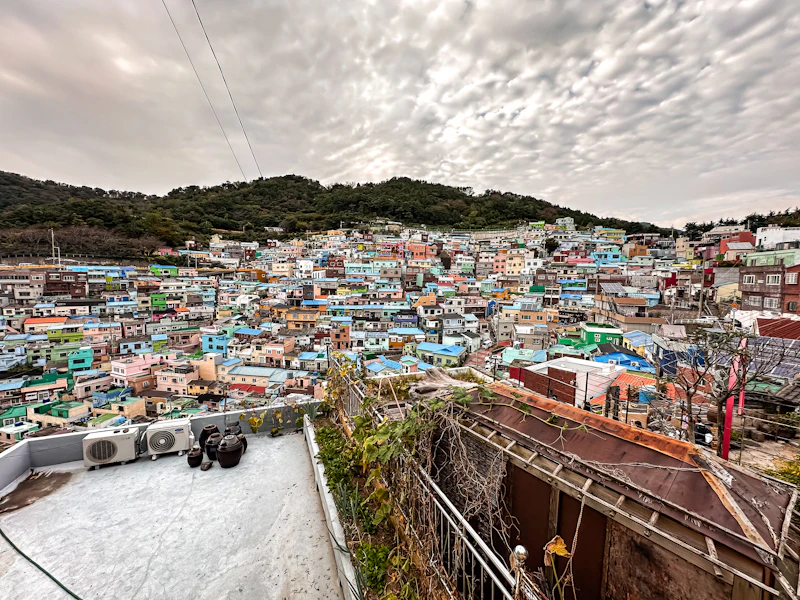
Busan Gamcheon Culture Village colorful houses
Busan — South Korea’s stunning coastal city with world-class beaches and vibrant neighborhoods.

Best Hotels in Busan 2026: Top 10 Stays from Beach Resorts to City Hotels

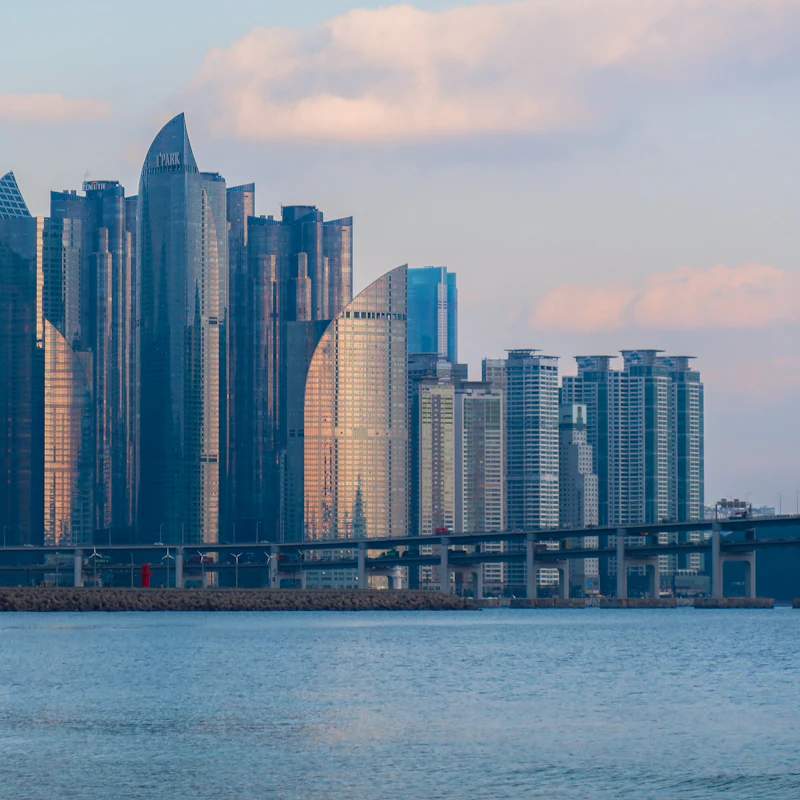
Finding the best hotels in Busan 2026 can feel overwhelming. South Korea’s second-largest city stretches along a stunning coastline, packs vibrant nightlife districts, and hides tranquil temple neighborhoods — all competing for your attention. Whether you want to wake up to ocean waves at Haeundae Beach or step right into the street-food chaos of Seomyeon, the hotel you pick shapes your entire trip.

We spent weeks researching, comparing, and reviewing hotels across every major Busan neighborhood. This guide covers 10 handpicked hotels that deliver real value in 2026 — from affordable boutique gems under $60 a night to polished mid-range picks perfect for couples and families. Every recommendation includes honest pros and cons, price ranges, and direct booking links so you can lock in the best rate today.

TL;DR — Best Hotels in Busan 2026

  • Best for Haeundae Beach: Haeundae Dongbeck Hotel — ocean views, walking distance to the beach, solid mid-range value.
  • Best Boutique Experience: ELYSIA BOUTIQUE HOTEL — stylish interiors, quiet location, Instagram-worthy rooms.
  • Best for Business Travelers: Centum Premier Hotel — close to BEXCO convention center, modern amenities.
  • Best Budget Near Train Station: The BS Hotel Busan Station — unbeatable location for transit, clean rooms under $50.
  • Best for Families: Central Park Hotel Busan — spacious rooms, family-friendly area, good breakfast options.
  • Best Value Overall: Prima Hotel Busan — consistent quality, affordable rates, great guest reviews.
  • Best Hot Spring Hotel: Hotel Nongshim — onsite spa and hot springs, relaxing atmosphere, unique experience.
  • Best Design Hotel: Hotel Maison — modern European-style design, cozy interiors, quiet neighborhood.
  • Best for Nightlife: Hound Hotel Seomyeon — right in the heart of Seomyeon entertainment district.
  • Best Cozy Stay: Cuddle Stay — intimate atmosphere, personal touches, perfect for couples.

Quick booking tip: Prices fluctuate significantly between weekdays and weekends. Book midweek stays for savings up to 30%. Check current Busan hotel deals on Agoda.

How We Picked the Best Hotels in Busan for 2026

Not every hotel that looks good online delivers in person. We applied strict criteria to narrow down hundreds of Busan hotels to just 10 that consistently earn praise from real travelers.

Location and access. Every hotel on this list sits within a 10-minute walk of a subway station or major bus stop. Busan is a spread-out city, so transit access is non-negotiable. We also weighted proximity to key attractions like Haeundae Beach, Gamcheon Culture Village, Jagalchi Market, and BEXCO.

Guest review scores. We cross-referenced reviews on Agoda, Google Maps, and Korean booking platforms. Only hotels maintaining an average score of 8.0 or higher (out of 10) across platforms made the cut.

Value for money. A $200 hotel that feels like a $100 hotel did not qualify. Conversely, a $45 hotel that punches well above its weight absolutely did. We evaluated room size, cleanliness, amenities, breakfast quality, and overall experience relative to the nightly rate.

Condition and upkeep. Busan’s humid coastal climate can be tough on buildings. We prioritized hotels that are either recently renovated or meticulously maintained. Peeling wallpaper, musty carpets, and aging bathrooms are automatic disqualifiers.

Traveler type suitability. We made sure this list covers solo backpackers, couples, families, and business travelers. Each hotel entry specifies who it suits best so you can find your match quickly.

Quick Comparison Table — All 10 Best Hotels in Busan 2026

Before diving into the details, here is a side-by-side snapshot of all 10 hotels. Use this table to quickly compare locations, price ranges, and standout features.

Hotel Area Price Range (USD/night) Best For Star Rating Subway Access
Haeundae Dongbeck Hotel Haeundae $80 – $150 Beach lovers, couples 3.5 star Haeundae Station (5 min)
ELYSIA BOUTIQUE HOTEL Haeundae $70 – $130 Design lovers, couples 3 star boutique Haeundae Station (8 min)
Centum Premier Hotel Centum City $90 – $170 Business travelers, shoppers 4 star Centum City Station (3 min)
The BS Hotel Busan Station Busan Station $35 – $65 Transit travelers, budget 3 star Busan Station (2 min)
Central Park Hotel Busan Seomyeon $55 – $100 Families, long stays 3.5 star Seomyeon Station (5 min)
Prima Hotel Busan Seomyeon $45 – $85 Value seekers, solo travelers 3 star Seomyeon Station (7 min)
Hotel Nongshim Dongnae $100 – $200 Spa lovers, relaxation 4 star Oncheonjang Station (3 min)
Hotel Maison Haeundae $60 – $110 Design-conscious travelers 3 star boutique Haeundae Station (6 min)
Hound Hotel Seomyeon Seomyeon $40 – $75 Nightlife, young travelers 3 star Seomyeon Station (4 min)
Cuddle Stay Haeundae $50 – $95 Couples, quiet retreats 3 star boutique Haeundae Station (10 min)

Top 10 Best Hotels in Busan 2026 — Detailed Reviews

Now let us walk through each hotel in detail. For every pick, you will find the location, honest pros and cons, who it suits best, current pricing, and links to both our full review and direct booking.

1. Haeundae Dongbeck Hotel — Best for Beach Access

View hotel photos and prices on Agoda

Area: Haeundae | Price: $80 – $150/night | Best For: Beach lovers, couples, first-time visitors

The Haeundae Dongbeck Hotel sits in the most desirable stretch of Busan’s famous beach district. You can walk to the sand in under five minutes, and ocean-view rooms deliver genuinely impressive panoramas of the coastline. The hotel balances a prime location with rates that do not break the bank — a rare combination in Haeundae.

Rooms are clean and well-maintained with modern Korean-style furnishings. The beds are comfortable, and soundproofing is better than average for the price point. The on-site restaurant serves a decent Korean breakfast buffet, and there are dozens of seafood restaurants within a two-block radius.

What makes it stand out: The rooftop terrace offers sunset views over Dongbaek Island that rival hotels charging twice the price. It is also one of the closest hotels to the Haeundae Beach walking path and the famous Dongbaek coastal trail.

Pros Cons
Walking distance to Haeundae Beach Can be noisy during summer peak season
Ocean-view rooms at mid-range prices Parking is limited and costs extra
Close to Dongbaek Island trail Standard rooms are on the smaller side
Friendly English-speaking staff No pool or fitness center

Read our full Haeundae Dongbeck Hotel review | Book on Agoda

2. ELYSIA BOUTIQUE HOTEL — Best Boutique Experience

View hotel photos and prices on Agoda

Area: Haeundae | Price: $70 – $130/night | Best For: Design lovers, couples, Instagram travelers

ELYSIA BOUTIQUE HOTEL proves that style and affordability can coexist. This small property in the Haeundae area delivers beautifully designed rooms with attention to detail that larger chain hotels rarely match. Think curated art on the walls, premium bedding, rainfall showers, and soft ambient lighting.

The hotel is slightly set back from the main beach road, which gives it a quieter atmosphere while still keeping you within easy walking distance of the ocean. Staff members are attentive and go out of their way to accommodate special requests. The lobby doubles as a small lounge area where you can grab coffee and plan your day.

What makes it stand out: Every room feels like it was designed by an interior architect rather than a hotel chain. The bathrooms in particular are a cut above, with quality fixtures and excellent water pressure. If aesthetics matter to you, this is the hotel to book.

Pros Cons
Stunning room design and decor Limited common area amenities
Excellent bathroom fixtures No restaurant on-site
Quiet yet accessible location Small elevator, not great for large luggage
Very attentive staff Limited room types available

Read our full ELYSIA BOUTIQUE HOTEL review | Book on Agoda

3. Centum Premier Hotel — Best for Business Travelers

View hotel photos and prices on Agoda

Area: Centum City | Price: $90 – $170/night | Best For: Business travelers, shoppers, convention attendees

Centum Premier Hotel delivers the polished, professional experience that business travelers and convention attendees need. Located steps from BEXCO (Busan Exhibition and Convention Center) and the world-record-holding Shinsegae Centum City department store, it puts you at the center of Busan’s most modern district.

Rooms are spacious by Korean standards, with proper work desks, fast Wi-Fi, and blackout curtains. The hotel offers a business center, meeting rooms, and a fitness center. Breakfast is a solid international buffet with both Korean and Western options — important for international visitors with early morning schedules.

What makes it stand out: The combination of BEXCO proximity, Centum City Station access (literally a 3-minute walk), and the massive Shinsegae mall next door makes this the most convenient hotel in Busan for anyone mixing business with leisure.

Pros Cons
3-minute walk to Centum City Station Higher price point than similar quality elsewhere
Steps from BEXCO convention center Area lacks traditional Korean charm
Excellent business amenities Beach is a 15-minute taxi ride away
Strong breakfast buffet Weekend rates spike due to shoppers

Read our full Centum Premier Hotel review | Book on Agoda

4. The BS Hotel Busan Station — Best Budget Near Train Station

View hotel photos and prices on Agoda

Area: Busan Station / Jung-gu | Price: $35 – $65/night | Best For: Transit travelers, budget backpackers, short stopovers

The BS Hotel Busan Station is the smartest budget pick for anyone arriving by KTX (Korea’s high-speed train) or planning day trips to nearby cities. Located just a two-minute walk from Busan Station, it eliminates the hassle of dragging luggage through the subway system.

For the price, rooms are surprisingly well-kept. You get a clean bed, functioning air conditioning, a private bathroom with hot water, and free Wi-Fi. Do not expect luxury — this is a practical hotel for practical travelers. But it over-delivers for its price bracket. The surrounding area has plenty of convenience stores, cheap eateries, and the famous Texas Street international food district is nearby.

What makes it stand out: At under $50 most nights, you get a location that would cost $120+ in many other Asian cities. The proximity to Busan Station means you can hop on the KTX to Seoul, Gyeongju, or Ulsan in minutes. It is also close to Nampo-dong shopping street and Jagalchi Fish Market.

Pros Cons
2-minute walk to Busan Station and KTX Rooms are compact
Excellent value under $50/night No restaurant or breakfast service
Close to Jagalchi Market and Nampo-dong Area is less scenic than Haeundae
Clean and well-maintained Limited English signage in area

Read our full The BS Hotel Busan Station review | Book on Agoda

5. Central Park Hotel Busan — Best for Families

View hotel photos and prices on Agoda

Area: Seomyeon | Price: $55 – $100/night | Best For: Families, extended stays, first-time visitors

Central Park Hotel Busan earns the family-friendly crown thanks to spacious rooms, a central location, and amenities that actually work for parents traveling with kids. Seomyeon is Busan’s geographic and transit center, meaning you can reach Haeundae Beach, Gamcheon Culture Village, or Busan Station within 20 minutes by subway.

Rooms are noticeably larger than the Busan average, with enough floor space for extra bedding. The breakfast spread includes kid-friendly options alongside Korean staples. There is a small play area, and the staff is accustomed to hosting families — they will help arrange car seats, recommend family restaurants, and store strollers at the front desk.

What makes it stand out: The Seomyeon location is the best base for families who want to explore all of Busan without being stuck in one neighborhood. The surrounding streets are packed with restaurants at every price point, pharmacies, and convenience stores — everything a traveling family needs within arm’s reach.

Pros Cons
Larger-than-average rooms No ocean views
Central Seomyeon location Neighborhood can be loud at night
Family-friendly amenities and staff Decor is functional, not stylish
Good breakfast with kid options Check-in can be slow during peak times

Read our full Central Park Hotel Busan review | Book on Agoda

6. Prima Hotel Busan — Best Value Overall

View hotel photos and prices on Agoda

Area: Seomyeon | Price: $45 – $85/night | Best For: Value seekers, solo travelers, digital nomads

Prima Hotel Busan is the kind of hotel that makes you wonder why anyone pays more. It consistently delivers clean rooms, reliable service, and a great location at prices that feel almost too good. The Seomyeon location puts you near Busan’s best street food, shopping, and nightlife without the premium pricing of Haeundae.

Rooms feature comfortable beds, modern bathrooms, flat-screen TVs, and decent-speed Wi-Fi. The hotel is well-maintained and regularly updated, so nothing feels dated or worn. Staff are professional and efficient. There is no pool or gym, but at these prices, you can spend the savings at one of Seomyeon’s excellent jjimjilbangs (Korean spas) instead.

What makes it stand out: The price-to-quality ratio is genuinely hard to beat in Busan. When you factor in the Seomyeon location, clean rooms, and consistently positive reviews, Prima Hotel becomes the obvious choice for travelers who want to stretch their budget without sacrificing comfort.

Pros Cons
Outstanding price-to-quality ratio No fitness center or pool
Well-maintained and updated rooms Standard rooms are compact
Excellent Seomyeon location Breakfast is basic
Consistent positive guest reviews Limited views from most rooms

Read our full Prima Hotel Busan review | Book on Agoda

7. Hotel Nongshim — Best Hot Spring Hotel

View hotel photos and prices on Agoda

Area: Dongnae / Oncheon | Price: $100 – $200/night | Best For: Spa lovers, relaxation seekers, cultural travelers

Hotel Nongshim is not just a hotel — it is a hot spring experience wrapped in comfortable accommodation. Located in Busan’s historic Dongnae hot spring district, this property gives you direct access to natural mineral hot springs that have been drawing visitors for centuries. The Hurshimchung Spa, attached to the hotel, is one of the largest hot spring complexes in Asia.

Rooms are spacious and well-appointed with a slightly more traditional Korean feel compared to the modern boutique hotels on this list. The on-site dining options are solid, including Korean, Japanese, and Western restaurants. The real draw is unwinding in the therapeutic hot spring waters after a long day of sightseeing.

What makes it stand out: No other hotel in Busan combines quality accommodation with a world-class hot spring facility. If you have traveled all the way to Korea, experiencing a genuine oncheon (hot spring) is a must. Hotel Nongshim makes it effortless — just take the elevator down to the spa.

Pros Cons
Direct access to Hurshimchung hot springs Farther from Haeundae Beach
Spacious, comfortable rooms Higher price point
Multiple on-site restaurants Decor feels slightly dated in some areas
Unique cultural experience Area has fewer nightlife options

Read our full Hotel Nongshim review | Book on Agoda

8. Hotel Maison — Best Design Hotel

View hotel photos and prices on Agoda

Area: Haeundae | Price: $60 – $110/night | Best For: Design-conscious travelers, couples, creative professionals

Hotel Maison channels a modern European aesthetic that feels refreshingly different from typical Korean hotels. The interiors blend warm wood tones, clean lines, and carefully selected furnishings that create a cozy, home-like atmosphere — which is fitting, since “maison” means “house” in French.

Located in the Haeundae area but away from the busiest tourist strip, Hotel Maison offers a peaceful retreat without sacrificing beach access. Rooms are thoughtfully designed with quality mattresses, good lighting (both ambient and reading), and bathrooms that prioritize functionality alongside aesthetics.

What makes it stand out: The design coherence sets it apart. Unlike many hotels where rooms feel generically assembled from a catalog, every element at Hotel Maison appears intentionally chosen. It attracts a creative, style-conscious crowd, which gives the hotel a pleasant atmosphere that goes beyond just the physical space.

Pros Cons
Distinctive European-inspired design Smaller property with fewer amenities
Quiet location near Haeundae No on-site restaurant
Quality bedding and comfortable rooms Limited storage space in rooms
Reasonable pricing for the quality Not directly on the beachfront

Read our full Hotel Maison review | Book on Agoda

9. Hound Hotel Seomyeon — Best for Nightlife

View hotel photos and prices on Agoda

Area: Seomyeon (Beomcheon) | Price: $40 – $75/night | Best For: Nightlife lovers, young travelers, social backpackers

Hound Hotel Seomyeon puts you right in the heartbeat of Busan’s most vibrant entertainment district. Step out the door and you are surrounded by bars, clubs, Korean BBQ restaurants, and late-night street food stalls. If your Busan trip is about experiencing the city’s legendary nightlife, this is where you want to be.

The hotel itself is modern and clean, with a youthful design sensibility that matches its target audience. Rooms are compact but smartly designed, maximizing usable space. The beds are comfortable — important when you might be rolling in at 3 AM. Check-in is fast, and the hotel runs 24-hour front desk service, which is essential for a nightlife-district property.

What makes it stand out: Location, location, location. Hound Hotel is surrounded by more restaurants and bars per square meter than perhaps any other spot in Busan. Seomyeon Station is a 4-minute walk, giving you fast access to the rest of the city when you are ready to explore beyond the nightlife.

Pros Cons
Prime Seomyeon nightlife location Can be noisy on weekend nights
Very affordable rates Rooms are on the smaller side
24-hour front desk Not ideal for families or light sleepers
Modern, clean interiors No significant views

Read our full Hound Hotel Seomyeon review | Book on Agoda

10. Cuddle Stay — Best Cozy Stay for Couples

View hotel photos and prices on Agoda

Area: Haeundae | Price: $50 – $95/night | Best For: Couples, romantic getaways, quiet travelers

Cuddle Stay lives up to its name. This intimate property delivers warm, cozy rooms with personal touches that make you feel like you are staying in a carefully curated guesthouse rather than a generic hotel. It is the kind of place where the owner clearly cares about every detail of the guest experience.

Rooms feature soft lighting, quality linens, and thoughtful amenities like welcome snacks and a curated minibar. The property is small, which means fewer guests and a quieter atmosphere. The Haeundae location gives you beach access without the overcrowded feel of larger hotels on the main strip.

What makes it stand out: The personal, attentive service is rare at this price point. Cuddle Stay feels like a boutique bed-and-breakfast with hotel-level cleanliness and reliability. For couples looking for a romantic Busan getaway that does not cost a fortune, this is a hidden gem.

Pros Cons
Incredibly cozy, intimate atmosphere Very small property, books out fast
Personal touches and great service Limited amenities compared to larger hotels
Quiet Haeundae location Longer walk to main beach area
Excellent value for couples Not suitable for families with children

Read our full Cuddle Stay review | Book on Agoda

Best Areas to Stay in Busan — Neighborhood Comparison

Choosing the right neighborhood is just as important as choosing the right hotel. Busan’s districts have distinct personalities, and where you stay dramatically affects your daily experience. Here is a quick breakdown of the key areas.

Neighborhood Best For Vibe Avg. Hotel Price Beach Access Transit Score
Haeundae Beach lovers, first-timers, couples Tourist-friendly, lively, coastal $70 – $150 Excellent 8/10
Seomyeon Nightlife, families, budget travelers Urban, energetic, foodie paradise $40 – $100 None (20 min by subway) 10/10
Centum City Business, shopping, modern amenities Modern, upscale, commercial $80 – $170 Moderate (10 min by subway) 9/10
Busan Station / Jung-gu Transit connections, budget, history Gritty, authentic, diverse $30 – $70 None (25 min by subway) 9/10
Dongnae / Oncheon Hot springs, relaxation, culture Residential, calm, traditional $60 – $200 None (30 min by subway) 7/10
Gwangalli Younger travelers, cafe culture, views Trendy, artsy, beachfront bars $50 – $120 Good 7/10
Nampo-dong Street food, markets, budget shopping Bustling, traditional, market-driven $35 – $80 None (Jagalchi port nearby) 8/10

Our recommendation for first-time visitors: Stay in Haeundae if you want the classic Busan beach experience, or Seomyeon if you want maximum convenience and nightlife. Both neighborhoods have excellent subway connections to the rest of the city.

Busan Hotel Budget Breakdown 2026

How much should you budget for a hotel in Busan? The city offers excellent value compared to Seoul and Tokyo, but prices vary significantly by season, neighborhood, and day of the week. Here is what to expect in 2026.

Budget Tier Nightly Rate (USD) What You Get Example Hotels Best Booking Strategy
Budget $30 – $60 Clean private room, basic amenities, good location, no frills The BS Hotel, Hound Hotel Book 2-3 weeks ahead, midweek stays
Mid-Range $60 – $120 Comfortable rooms, good design, breakfast options, central location Prima Hotel, Central Park, Cuddle Stay, Hotel Maison, ELYSIA Book 3-4 weeks ahead, watch for Agoda flash deals
Upper Mid-Range $120 – $200 Spacious rooms, premium amenities, restaurants, ocean views or spa access Haeundae Dongbeck, Centum Premier, Hotel Nongshim Book 4-6 weeks ahead, check for package deals
Luxury $200+ Five-star service, premium dining, pools, full-service spas, suites Park Hyatt, Signiel, Westin Josun Book 6-8 weeks ahead, use loyalty programs

Seasonal pricing tips for 2026:

Peak season (July – August): Hotel prices surge 40-60% above average, especially in Haeundae. Book at least 6 weeks in advance. Weekends during summer are the most expensive nights of the year.

Cherry blossom season (late March – mid April): Prices rise 20-30%. Busan’s cherry blossoms are world-famous, so hotels fill up fast. Book 4 weeks ahead minimum.

Shoulder season (May – June, September – October): The sweet spot. Weather is excellent, crowds are manageable, and prices are reasonable. This is the best time to visit Busan overall.

Low season (November – February): The cheapest time to visit. Expect discounts of 20-40% off peak rates. Weather is cold but manageable, and indoor attractions like hot springs, shopping, and food markets are just as enjoyable.

How to Book the Best Hotels in Busan — Tips and Agoda Deals

Booking the right hotel at the right price takes a bit of strategy. Here are our tested tips for getting the best deals on Busan hotels in 2026.

Use Agoda for the best Busan hotel prices. Agoda consistently offers the lowest rates for Korean hotels because of its strong presence in the Asian market. Many Busan hotels list Agoda-exclusive deals and last-minute discounts that you will not find on Western booking platforms.

Book midweek for significant savings. Sunday through Thursday rates can be 20-30% cheaper than Friday and Saturday nights. If your schedule allows, arrive on a Monday and leave on a Friday to maximize savings.

Check for free cancellation policies. Most hotels on Agoda offer free cancellation if you book early. Lock in your rate now and cancel later if you find a better deal — it costs you nothing.

Look for “Secret Deals” on Agoda. These are significantly discounted rates on quality hotels that are only revealed after booking. They often represent 30-50% off the standard rate.

Consider longer stays. Many Busan hotels offer weekly discounts of 10-20% for stays of 5 nights or more. If you are spending a week in Korea, basing yourself in Busan for several nights is an excellent strategy.

Ready to Book Your Busan Hotel?

Compare prices and find exclusive deals on all 10 hotels featured in this guide.

Check Busan Hotel Deals on Agoda

Free cancellation on most rooms. Best price guarantee.

Frequently Asked Questions — Best Hotels in Busan 2026

What is the best area to stay in Busan for first-time visitors?

Haeundae is the best area for first-time visitors. It offers Busan’s most famous beach, excellent restaurants, easy subway access, and a wide range of hotels at every price point. You can walk along the coastline, visit Dongbaek Island, and enjoy the vibrant atmosphere without needing to venture far. If you prefer a more central, urban experience with better nightlife, Seomyeon is an excellent alternative — it sits at the junction of two subway lines, making it the easiest base for exploring the entire city.

How much does a hotel in Busan cost per night in 2026?

Budget hotels in Busan start at $30-60 per night, mid-range options run $60-120, and upper mid-range hotels with premium amenities cost $120-200. Luxury five-star hotels start at $200 and go up from there. Prices vary significantly by season — expect to pay 40-60% more during peak summer months (July-August) and 20-40% less during the winter low season (November-February). Booking midweek can save you an additional 20-30% compared to weekend rates.

Is Haeundae or Seomyeon better for a Busan hotel base?

It depends on your priorities. Haeundae is better if you want beach access, ocean views, and a resort-like atmosphere. Seomyeon is better if you want a central location with the best transit connections, diverse food options, vibrant nightlife, and generally lower hotel prices. Families and nightlife seekers tend to prefer Seomyeon, while couples and beach lovers gravitate toward Haeundae. Both neighborhoods have subway stations that connect to the rest of the city within 20-30 minutes.

When is the cheapest time to book hotels in Busan?

The cheapest time to book Busan hotels is during the winter low season from November through February, when rates drop 20-40% below peak prices. The shoulder seasons of May-June and September-October offer the best balance of good weather and reasonable prices. Avoid July-August for budget travel, as summer beach season pushes prices to their highest. Regardless of when you visit, booking midweek (Sunday-Thursday) saves 20-30% compared to weekend stays.

Do Busan hotels provide airport shuttle service from Gimhae Airport?

Most mid-range and budget hotels in Busan do not offer free airport shuttle service. However, getting from Gimhae International Airport to your hotel is straightforward and affordable. The Busan-Gimhae Light Rail connects to the Busan Metro system, and you can reach Haeundae in about 70 minutes or Seomyeon in about 50 minutes for under $2. Taxis from the airport to Haeundae cost approximately $25-35 and take 40-60 minutes depending on traffic. Some upper mid-range and luxury hotels do offer paid airport transfer services that can be arranged in advance.

What amenities should I expect from a mid-range hotel in Busan?

A good mid-range hotel in Busan ($60-120/night) typically includes: a private room with ensuite bathroom, air conditioning and heating, free Wi-Fi, a flat-screen TV, basic toiletries, a hair dryer, and daily housekeeping. Many also offer breakfast (Korean and Western options), a front desk that can assist with tourist information, and luggage storage. Unlike Western hotels, Korean mid-range hotels often do not have pools or large fitness centers, but the rooms tend to feature high-tech toilets, excellent water pressure, and ondol (heated floor) systems that are especially welcome in winter.

Final Thoughts — Book Your Best Hotel in Busan for 2026

Busan is one of Asia’s most underrated travel destinations, and finding the right hotel makes all the difference between a good trip and an unforgettable one. Whether you choose the beachfront charm of Haeundae Dongbeck Hotel, the unbeatable value of Prima Hotel, or the unique hot spring experience at Hotel Nongshim, every hotel on this list has been vetted to deliver genuine quality in 2026.

The key to a great Busan hotel experience? Book early, travel midweek when possible, and match your hotel to your travel style. Beach lovers belong in Haeundae. Nightlife enthusiasts should plant their flag in Seomyeon. Business travelers win at Centum City. And anyone seeking relaxation should head straight to the hot springs of Dongnae.

All 10 hotels on this list are available on Agoda, often at the best available rates. Use the links throughout this guide to compare prices and check availability for your travel dates. Rooms at the most popular properties sell out quickly during peak season, so do not wait too long to lock in your stay.

Find Your Perfect Busan Hotel Today

Exclusive deals, free cancellation, and best price guarantee on Agoda.

Browse All Busan Hotels on Agoda

Prices shown are estimates based on 2026 averages. Actual rates vary by date and availability.

This guide is updated regularly to reflect the latest hotel conditions, pricing, and guest feedback. Last updated: April 2026. Some links in this article are affiliate links, meaning we may earn a small commission at no extra cost to you if you book through them. This helps us keep creating free travel guides for Busan and beyond.

Busan Travel Guide 2026: Beaches, Temples, and Street Food Paradise

TL;DR: Busan is South Korea’s ultimate coastal city – stunning beaches, ancient temples perched on sea cliffs, and some of the best street food in Asia. Best visited in September-October (warm weather, fewer crowds) or April-May (cherry blossoms along Haeundae). Budget $40-170/day depending on your travel style. Just 2.5 hours from Seoul by KTX. This busan travel guide 2026 covers neighborhoods, beaches, temples, food, transport, hotels, and a 4-day itinerary.

Why Visit Busan in 2026?

Busan is everything Seoul is not. Where Seoul is landlocked and intense, Busan is coastal and laid-back. South Korea’s second-largest city sits on the southeastern tip of the Korean peninsula, surrounded by mountains and the sea.

Think of Busan as Korea’s Barcelona – a beach city with world-class food, colorful neighborhoods, and a personality all its own. It is loud, proud, and deeply independent from the capital.

In 2026, Busan continues to grow as an international destination. The city’s film culture (home of the Busan International Film Festival), expanding craft beer scene, and new waterfront developments make it more exciting than ever. The recently expanded Busan Metro lines make getting around even easier.

Whether you are looking for temple hikes, seafood feasts, beach days, or vibrant night markets, Busan delivers on all fronts. And unlike Seoul, you can do it all without fighting massive tourist crowds.

Colorful houses stacked on a hillside at Gamcheon Culture Village in Busan South Korea
Gamcheon Culture Village – Busan’s colorful hillside neighborhood often called the Machu Picchu of Korea

Best Time to Visit Busan

Busan’s coastal location gives it milder winters and cooler summers compared to Seoul. The ocean breeze makes a real difference.

Season Months Temperature Best For Crowd Level
Spring Mar – May 12 – 22 C Cherry blossoms, temple visits, mild weather Medium
Summer Jun – Aug 23 – 31 C Beach season, festivals, nightlife Very High
Autumn Sep – Nov 14 – 26 C BIFF festival, hiking, perfect weather Medium
Winter Dec – Feb 1 – 10 C Seafood season, budget deals, hot springs Low

Our pick: Visit in late September to mid-October for the best combination of warm weather (20-25 C), low humidity, and the Busan International Film Festival. The beaches are still swimmable in September, and autumn colors start appearing on the temple trails.

Avoid: Late July to mid-August is peak monsoon season with heavy rainfall and extreme humidity. The beaches are packed shoulder-to-shoulder with domestic tourists during this period. If you want beach time without the chaos, go in June or early September.

Budget tip: Winter (December-February) offers the cheapest hotels and the best seafood. Busan’s winters are much milder than Seoul’s, rarely dropping below freezing. Hot spring spas (oncheon) are everywhere, making winter visits surprisingly comfortable.

Top 5 Neighborhoods – Where to Base Yourself

Busan is a spread-out city, so choosing the right neighborhood matters more than in compact Seoul. Here is a quick comparison to help you decide:

Neighborhood Best For Vibe Budget (per night)
Haeundae Beach lovers, first-timers Resort-like, modern, lively $60 – $250
Seomyeon Nightlife, food, central location Urban, energetic, local $35 – $120
Nampo-dong Markets, culture, budget travelers Traditional, bustling, authentic $30 – $100
Gwangan Cafes, sunset views, young crowd Trendy, relaxed, scenic $40 – $150
Gamcheon Art, photography, unique stays Colorful, artsy, hilly $25 – $80

Haeundae – Best for First-Time Visitors and Beach Lovers

Busan’s most famous neighborhood and the city’s tourism hub. Haeundae Beach is the star attraction – a long crescent of white sand backed by high-rise hotels and seafood restaurants. Why stay here: Walking distance to the beach, Dongbaek Island coastal walk, the SEA LIFE Aquarium, and Busan’s best beachfront nightlife. The neighborhood has the highest concentration of international restaurants and English-speaking staff. If this is your first time in Busan, start here.

Seomyeon – Best for Nightlife and Foodies

Busan’s downtown core and the intersection of the two main subway lines. Seomyeon is where locals go to eat, drink, and shop. Why stay here: The most central location in the city with easy subway access to everywhere. Dwaeji gukbap (pork soup) alley is legendary, and the underground shopping streets are endless. Hotels here are significantly cheaper than Haeundae with better transport connections.

Nampo-dong – Best for Markets and Culture

The historic heart of Busan, home to Jagalchi Fish Market, BIFF Square, Gukje International Market, and the famous Gwangbok-dong shopping street. Why stay here: The most authentic Busan experience. Walk to major markets, catch the ferry to Yeongdo Island, and explore Yongdusan Park with Busan Tower. Budget accommodation is plentiful and excellent.

Gwangan – Best for Sunset Views and Cafe Culture

Gwangalli Beach is quieter and more local than Haeundae, with the stunning Gwangan Bridge as a backdrop. The beachfront is lined with cafes, craft beer bars, and restaurants. Why stay here: Better value than Haeundae with equally beautiful beach views. The bridge lights up at night in spectacular colors. Popular with Korean twenty-somethings and digital nomads.

Gamcheon – Best for Art and Photography

A former hillside slum transformed into one of Korea’s most Instagrammed destinations. Colorful houses stacked like building blocks, street art on every corner, and small galleries scattered throughout. Why stay here: Unique guesthouse experiences and the most photogenic neighborhood in all of Korea. Not ideal as a base for extended stays due to limited dining options and hilly terrain, but perfect for 1-2 nights of something different.

10 Must-Visit Attractions in Busan

1. Gamcheon Culture Village

Often called the “Machu Picchu of Korea” or “Busan’s Santorini,” this hillside village is a maze of brightly painted houses, murals, sculptures, and tiny galleries. Originally a settlement for Korean War refugees, the village was transformed into an art project starting in 2009.

Pro tip: Buy the stamp trail map (2,000 KRW) at the village entrance. It guides you through 12 checkpoints with stamps to collect. Complete the trail and exchange it for a postcard at the end. Go early (before 10am) to avoid tour bus crowds. Allow 2-3 hours to explore properly.

Getting there: Take subway Line 1 to Toseong Station (Exit 6), then local bus 1-1, 2, or 2-2 to the village entrance. The ride takes about 10 minutes.

2. Haedong Yonggungsa Temple

Korea’s most stunning temple location. While most Korean temples hide in the mountains, Haedong Yonggungsa sits directly on the ocean cliffs in northeastern Busan. Built in 1376 during the Goryeo Dynasty, the temple complex cascades down the rocky coastline with crashing waves below.

Pro tip: Visit at sunrise for the most spectacular views and smallest crowds. The 108-step staircase down to the main temple is lined with zodiac statues. On Buddha’s Birthday (May), the entire temple is decorated with thousands of paper lanterns – one of the most beautiful sights in Korea.

Getting there: Bus 181 from Haeundae. The temple is free to enter. Allow 1-2 hours for the visit.

3. Jagalchi Fish Market

The largest seafood market in all of Korea. The ground floor is a massive wet market where vendors sell every type of sea creature imaginable – from live octopus to king crab to sea squirts. The real experience: Pick your fish on the ground floor, then take it upstairs to the restaurant floor where they will prepare it for you on the spot. Sashimi costs a fraction of what you would pay in Japan.

Pro tip: Go in the morning (before 11am) when the fish is freshest and the market is at its most energetic. Haggle gently – prices are flexible, especially for larger orders. A mixed sashimi platter for two runs about 30,000-50,000 KRW.

4. Haeundae Beach

South Korea’s most famous beach stretches 1.5 kilometers along the coast, backed by a skyline of hotels and apartments. The sand is clean and fine, the water is calm, and the facilities are excellent. Lifeguards are on duty from June through September.

Pro tip: Walk to the eastern end of the beach to find Dongbaek Island (actually a peninsula). The Dongbaek Coastal Walk is a beautiful 40-minute loop trail through a dense camellia forest with ocean views. At the tip, you will find the APEC House where world leaders met in 2005. For fewer crowds: Visit Songjeong Beach, one stop further on bus 181 – same quality sand, ten percent of the people.

Haeundae Beach in Busan with white sand and high-rise buildings along the coastline
Haeundae Beach – Busan’s iconic crescent of sand stretching 1.5 kilometers along the coast

5. Taejongdae Resort Park

A dramatic natural park on the southern tip of Yeongdo Island with sheer cliffs dropping into the deep blue sea. On a clear day, you can see Japan’s Tsushima Island across the Korea Strait. The park features dense forests, a lighthouse, an observation deck, and a pebble beach at the bottom of the cliffs.

Pro tip: Take the Danubi Train (3,000 KRW round trip) if you do not want to walk the hilly 4.3km loop road. Otherwise, walking the full loop takes about 2 hours and is well worth it. Best on clear days – the views are the entire point. Skip it if it is foggy.

6. BIFF Square and Gukje International Market

BIFF Square (Busan International Film Festival Square) is the original home of Asia’s most prestigious film festival. The sidewalk is embedded with handprints of famous Korean and international directors. Today, it is best known as Busan’s ultimate street food zone.

Right next door, Gukje International Market is a sprawling maze of covered alleys selling clothes, accessories, souvenirs, and more street food. Must-try: The ssiat hotteok (seed-filled sweet pancake) stalls along the main BIFF Square strip – the line is long, but it moves fast. Each hotteok costs just 1,000-2,000 KRW and is filled with sunflower seeds, pumpkin seeds, and brown sugar.

7. Beomeosa Temple

One of Korea’s most important Buddhist temples, founded in 678 AD on the slopes of Geumjeongsan Mountain. Unlike the touristy Haedong Yonggungsa, Beomeosa is a working temple with active monks, ancient stone pagodas, and a deeply spiritual atmosphere.

Pro tip: Combine Beomeosa with a hike up Geumjeongsan Mountain to the Geumjeong Fortress walls. The trail from the temple to the North Gate takes about 1.5 hours and offers stunning views of Busan and the coastline. Temple Stay programs are available for those who want an overnight meditation experience (60,000-80,000 KRW including meals).

8. Gwangalli Beach and Gwangan Bridge

Gwangalli Beach is the locals’ beach – less touristy than Haeundae but equally beautiful. The main attraction is the view of Gwangan Diamond Bridge, a 7.4km suspension bridge that lights up in dazzling colors after sunset. The beachfront promenade is packed with seafood restaurants, craft beer bars, and live music venues.

Pro tip: Find a beachfront cafe with a terrace (there are dozens) and order drinks while watching the bridge light show. Friday and Saturday nights feature special bridge lighting programs. The beach also hosts drone light shows and fireworks festivals throughout the year.

9. Songdo Cable Car (Busan Air Cruise)

Korea’s first public cable car, reopened in 2017 after decades of closure. The 1.6km ride crosses the open ocean between Songnim Park and Amnam Park, giving you bird’s-eye views of Songdo Beach, coastal cliffs, and the open sea below. The crystal cabins (with glass floors) are worth the upgrade for an extra thrill.

Pricing: Standard cabin 17,000 KRW round trip, crystal cabin 22,000 KRW round trip. Best time: Late afternoon for sunset views. Allow about 1.5 hours including wait time and exploring Amnam Park on the other side.

10. Busan Tower at Yongdusan Park

A 120-meter tower sitting atop Yongdusan Park in the center of Nampo-dong. The observation deck offers 360-degree views of the port, Yeongdo Island, Jagalchi Market, and the mountains surrounding Busan. Less crowded and cheaper than most city observation decks.

Pricing: 12,000 KRW for adults. Pro tip: Visit after dark when the city lights and bridge illuminations create a stunning panorama. The park itself is free and a pleasant place for an evening walk, with the famous 25-meter Dragon Statue and a flower clock.

Busan Food Guide – What to Eat and Where

Fresh Korean seafood platter with sashimi and side dishes in Busan
Fresh seafood in Busan – the city is a paradise for lovers of raw fish, shellfish, and everything from the sea

Busan’s food is different from Seoul’s. The coastal location means seafood dominates, and the local specialty dishes are unique to this region. Busan people are proud of their food, and for good reason – portions are bigger, prices are lower, and the flavors are bold.

Dish What It Is Price Range Where to Try
Milmyeon Cold wheat noodles in icy broth – Busan’s signature summer dish 6,000 – 8,000 KRW Gaegeum Milmyeon near Seomyeon
Dwaeji Gukbap Rich pork bone soup with rice – the ultimate comfort food 7,000 – 9,000 KRW Dwaeji Gukbap Alley, Seomyeon
Ssiat Hotteok Crispy pancake stuffed with seeds, nuts, and brown sugar 1,000 – 2,000 KRW BIFF Square, Nampo-dong
Hoe (Raw Fish) Ultra-fresh sashimi platter with Korean accompaniments 25,000 – 60,000 KRW Jagalchi Fish Market
Korean BBQ Grill-your-own beef and pork at the table 12,000 – 35,000 KRW Geonbae Street, Seomyeon
BIFF Square Street Food Tteokbokki, odeng, fish cake skewers, and more 1,000 – 5,000 KRW BIFF Square, Nampo-dong

Milmyeon – Busan’s Signature Dish

You have not truly visited Busan until you eat milmyeon. This cold wheat noodle dish was invented by Korean War refugees who settled in Busan and adapted the North Korean naengmyeon (buckwheat cold noodles) using locally available wheat flour. The result is a chewy, slippery noodle served in ice-cold beef broth with vinegar and mustard on the side.

Order it mul milmyeon (in broth) for the classic experience, or bibim milmyeon (mixed with spicy sauce) for a fiery kick. It is the perfect lunch on a hot Busan day.

Dwaeji Gukbap – Busan’s Soul Food

A hearty pork bone soup with rice, served with an array of condiments including salted shrimp, chives, and chili paste. Seomyeon’s Dwaeji Gukbap Alley has a dozen restaurants specializing in this dish, and most are open 24 hours. It is cheap, filling, and the ultimate hangover cure. Many locals eat this daily.

Ssiat Hotteok – The Best Street Snack in Korea

Regular hotteok (sweet Korean pancakes) are filled with brown sugar. Busan’s version adds seeds – sunflower seeds, pumpkin seeds, pine nuts, and sometimes peanuts. The combination of crispy fried dough, melted sugar, and crunchy seeds is addictive. The most famous stalls are at BIFF Square, where you will see lines wrapping around the block on weekends.

Jagalchi Sashimi Experience

Eating at Jagalchi Fish Market is an essential Busan experience. Here is how it works:

  1. Walk the ground floor and browse the live seafood tanks
  2. Choose your fish – point at what you want and negotiate the price
  3. Pay the vendor and they will prepare it on the spot
  4. Take it upstairs to the restaurant floor where you pay a small seating fee (about 3,000-5,000 KRW per person)
  5. Enjoy your ultra-fresh sashimi with soy sauce, wasabi, gochujang, and ssam (lettuce wraps)

Budget tip: A mixed sashimi platter for two costs about 30,000-50,000 KRW at the market versus 80,000-120,000 KRW at a beachfront restaurant for the same quality. The fish is identical – it all comes from the same boats.

Street Food Tour – BIFF Square and Gukje Market

The best self-guided food walk in Busan starts at BIFF Square and winds through Gukje International Market. Budget about 15,000-20,000 KRW for a full street food lunch hitting these highlights:

  • Ssiat hotteok at the famous stalls (1,500 KRW)
  • Eomuk (fish cake) on skewers with warm broth (1,000 KRW per skewer)
  • Tteokbokki – spicy rice cakes (3,000 KRW)
  • Bindaetteok – crispy mung bean pancake (3,000 KRW)
  • Japchae – stir-fried glass noodles (4,000 KRW)
  • Hotteok ice cream – a modern twist at specialty shops (3,500 KRW)

Getting Around Busan

Busan is more spread out than Seoul, so understanding your transport options saves time and money. The good news is that the system is modern, clean, and easy to navigate with English signage throughout.

Transport Cost Best For Tips
Subway 1,350 KRW (~$1) Major attractions, neighborhoods 5 lines cover main areas. T-money card works here too
City Bus 1,300 KRW Temples, beaches, coastal areas Naver Map or KakaoMap app for routes
Taxi From 3,800 KRW Late night, groups, hilly areas Use Kakao T app. Taxis are very cheap in Busan
KTX from Seoul 59,800 KRW Getting to Busan from Seoul 2.5 hours Seoul to Busan. Book at letskorail.com
SRT from Seoul 52,600 KRW Budget alternative to KTX 2.5 hours from Suseo Station. Slightly cheaper

The Busan Subway

Busan’s metro system has 5 lines covering most tourist areas. Line 1 (orange) is the most useful for tourists, connecting Nopo (for Beomeosa Temple) through Seomyeon and Nampo-dong to Dadaepo Beach. Line 2 (green) connects Seomyeon to Haeundae Beach.

Key tip: Your Seoul T-money card works on Busan’s subway and buses. No need to buy a separate card. If you do not have one, buy a Cashbee card (the Busan equivalent) at any convenience store for 2,500 KRW.

Getting to Busan from Seoul

Option Time Cost Best For
KTX Train 2 hr 30 min 59,800 KRW Speed, comfort, convenience
SRT Train 2 hr 30 min 52,600 KRW Budget alternative, departs from Suseo
Express Bus 4 hr 30 min 23,000 – 34,000 KRW Budget travelers, comfortable seats
Domestic Flight 1 hr 50,000 – 120,000 KRW Only if you find a sale fare

Our recommendation: Take the KTX. Book at letskorail.com at least a few days ahead for the best seat selection. Trains run every 15-30 minutes from Seoul Station and arrive at Busan Station in the Nampo-dong area. No airport hassle, no traffic, city center to city center.

Budget tip: The express bus from Seoul Express Bus Terminal costs less than half the KTX price and the seats are comfortable. The 4.5-hour ride is not bad at all, and buses depart every 15-20 minutes throughout the day.

Gimhae International Airport

If you are flying directly into Busan, Gimhae Airport (PUS) is well-connected to the city. The Busan-Gimhae Light Rail connects the airport to the subway system. Transfer at Sasang Station (Line 2) to reach Seomyeon (20 minutes) or Haeundae (45 minutes). Airport buses and taxis are also available.

Where to Stay in Busan

Busan offers excellent accommodation at every price point. Here are top-rated hotels reviewed on TravelerGo, organized by area:

Haeundae Area

Seomyeon and Central Busan

  • Hound Hotel Seomyeon – Great value in the heart of Seomyeon’s food and nightlife district
  • Hotel Nongshim – Famous for its natural hot spring baths on-site, a unique Busan experience
  • Cuddle Stay – Cozy and affordable option perfect for solo travelers and couples

Busan Station and Nampo-dong Area

Pro tip: Book through Agoda for the best prices on Busan hotels. The platform often has exclusive deals for Korean hotels that are not available elsewhere, plus free cancellation on most properties.

Busan Budget Guide – How Much Does Busan Cost?

Busan is noticeably cheaper than Seoul across the board. Hotels, food, and transport all cost less. Here is a realistic daily budget breakdown:

Category Budget ($40-60/day) Mid-Range ($80-120/day) Luxury ($150-300/day)
Accommodation $20 – $35 (guesthouse/hostel) $50 – $80 (3-star hotel) $120 – $250 (4-5 star hotel)
Food $12 – $18 (street food and local restaurants) $25 – $40 (mix of local and mid-range) $40 – $80 (seafood feasts and fine dining)
Transport $3 – $5 (subway and bus) $5 – $10 (subway, bus, occasional taxi) $10 – $25 (taxi everywhere)
Activities $5 – $10 (free temples, beaches, markets) $10 – $20 (cable cars, tower, aquarium) $20 – $50 (premium experiences, boat tours)
Daily Total $40 – $60 $80 – $120 $150 – $300

Money-saving tips for Busan:

  • Many top attractions are free – Gamcheon Culture Village, Haedong Yonggungsa Temple, Beomeosa Temple, all beaches, and Taejongdae Park cost nothing to enter
  • Eat at markets – a full meal at Jagalchi or BIFF Square costs under 10,000 KRW
  • Stay in Seomyeon or Nampo-dong instead of Haeundae to save 30-50% on accommodation
  • Use the Visit Busan Pass (48 hours: 55,000 KRW) for free entry to 30+ attractions including the Songdo Cable Car and Busan Tower

Practical Tips for Visiting Busan

Essential Apps

  • KakaoMap or Naver Map – Google Maps works poorly in Korea. These local apps have accurate transit directions, restaurant reviews, and real-time bus tracking. KakaoMap has a partial English interface.
  • Kakao T – Korea’s ride-hailing app (like Uber). Works perfectly for taxis throughout Busan.
  • Papago – Naver’s translation app. Better than Google Translate for Korean. The camera feature translates menus and signs in real time.
  • Visit Busan – The official tourism app with events, maps, and discount coupons.

Language Tips

English is less widely spoken in Busan than in Seoul. Haeundae and major tourist spots are fine, but in local neighborhoods like Seomyeon and Nampo-dong, you will need basic Korean phrases or a translation app. Here are the essentials:

  • Annyeonghaseyo – Hello
  • Gamsa hamnida – Thank you
  • Eolma yeyo? – How much is this?
  • Mashisseoyo – Delicious (use at restaurants – locals love it)
  • Juseyo – Please give me (point at what you want and say this)

WiFi and Connectivity

Free WiFi is available at all subway stations, most cafes, and many restaurants. For constant connectivity, pick up a portable WiFi egg or Korean SIM card at Gimhae Airport or Busan Station. Prices start at about 5,000 KRW per day for a SIM with unlimited data.

Safety

Busan is extremely safe. South Korea consistently ranks among the safest countries in the world. Walking alone at night is normal and common, even in busy areas like Haeundae and Seomyeon. Petty theft is rare. The biggest “danger” is probably jaywalking fines. Use normal travel common sense and you will be fine.

Tipping

Do not tip in Busan. Tipping is not part of Korean culture and can actually cause confusion. Service charge is included in restaurant bills. Taxi drivers do not expect tips. The only exception is high-end international hotels where bellhops may accept a small tip.

4-Day Busan Itinerary

Here is a practical 4-day itinerary that covers Busan’s highlights without rushing. Adjust based on your interests and energy level.

Day Morning Afternoon Evening
Day 1 Arrive in Busan, check in. Walk Haeundae Beach Dongbaek Island Coastal Walk, The Bay 101 Haeundae seafood dinner, beachfront bars
Day 2 Haedong Yonggungsa Temple (go early) Gamcheon Culture Village (stamp trail) BIFF Square street food, Nampo-dong night walk
Day 3 Jagalchi Fish Market (sashimi brunch) Songdo Cable Car, Taejongdae Park Gwangalli Beach sunset, bridge light show, cafes
Day 4 Beomeosa Temple (optional Geumjeongsan hike) Seomyeon shopping, dwaeji gukbap lunch Busan Tower at sunset, Gukje Market, depart

Day 1 – Haeundae and the Beach

Arrive by KTX or flight and head to your hotel. Spend the afternoon walking Haeundae Beach and the Dongbaek Island Coastal Walk. In the evening, have a seafood dinner at one of the beachfront restaurants and watch the sunset. Do not miss The Bay 101 – a waterfront dining and entertainment complex with stunning nighttime views of Haeundae’s skyline reflecting on the marina.

Day 2 – Temples and Colors

Start early at Haedong Yonggungsa Temple (arrive by 8am for the best light and fewest people). Head to Gamcheon Culture Village after lunch and spend 2-3 hours exploring the colorful alleys and art installations. End the day at BIFF Square for ssiat hotteok and an evening stroll through the Nampo-dong markets.

Day 3 – Seafood, Cliffs, and Bridges

Morning at Jagalchi Fish Market – pick your fish and have sashimi for brunch. Take the Songdo Cable Car across the ocean, then visit Taejongdae Park for dramatic cliff views. Finish the day at Gwangalli Beach for the sunset and the Gwangan Bridge light show from a beachfront cafe.

Day 4 – Mountains and Farewell

Hike to Beomeosa Temple in the morning for a peaceful temple experience. Head to Seomyeon for a proper dwaeji gukbap lunch and some shopping. End your trip at Busan Tower for panoramic sunset views, then browse Gukje Market for last-minute souvenirs before heading to the station or airport.

Frequently Asked Questions

How many days do you need in Busan?

3-4 days is ideal for most visitors. This gives you enough time to cover the main beaches, temples, markets, and food experiences without rushing. If you want to add day trips to Gyeongju (Korea’s ancient capital, 1 hour away) or explore the hiking trails in depth, extend to 5-6 days. Weekend visitors can hit the highlights in 2 days by focusing on Haeundae, Gamcheon, and Jagalchi Market.

Is Busan worth visiting if I am already going to Seoul?

Absolutely yes. Busan and Seoul are completely different experiences. Seoul is an inland megacity focused on palaces, shopping, and K-pop culture. Busan is a coastal city known for beaches, temples, and seafood. The 2.5-hour KTX train makes it easy to include both cities in one trip. Most travelers who visit both say Busan was the highlight of their Korea trip.

Is Busan safe for solo travelers?

Busan is one of the safest cities in Asia for solo travelers, including solo female travelers. South Korea has very low crime rates, well-lit streets, and 24-hour convenience stores on every block. Public transport runs late, taxis are safe and metered, and locals are generally helpful even with the language barrier. The main tourist areas (Haeundae, Seomyeon, Nampo-dong) are busy well into the night.

Can I swim at Busan beaches?

Yes, swimming is allowed from June through September when lifeguards are on duty and swimming zones are roped off. Haeundae Beach and Gwangalli Beach are the most popular swimming beaches. Outside of the official swimming season, you can still walk the beaches and enjoy the scenery, but swimming is not recommended due to cold water temperatures and the absence of lifeguards. Water shoes are recommended for rocky areas.

How do I get from Seoul to Busan?

The KTX high-speed train is the best option. It takes 2.5 hours from Seoul Station to Busan Station, costs 59,800 KRW one-way, and runs every 15-30 minutes throughout the day. Book tickets at letskorail.com. Budget travelers can take the express bus (4.5 hours, 23,000-34,000 KRW) from Seoul Express Bus Terminal. Flights take 1 hour but are rarely cheaper than the train once you factor in airport time.

What is the best area to stay in Busan?

Haeundae is the best area for first-time visitors thanks to its beach access, tourist infrastructure, and variety of restaurants and hotels. Seomyeon is best for travelers who want a central location with great food and nightlife at lower prices. Nampo-dong is ideal for market lovers and budget travelers. Gwangan offers a more local, relaxed beach experience. Choose based on your priorities – beach (Haeundae), food and nightlife (Seomyeon), culture and markets (Nampo-dong), or laid-back vibes (Gwangan).

Final Thoughts – Why Busan Should Be on Your 2026 Travel List

Busan is one of those rare cities that delivers on every front. World-class beaches that rival Southeast Asia. Ancient temples perched on dramatic ocean cliffs. Street food that will ruin you for any other city. And a local culture that is warm, loud, proud, and endlessly entertaining.

The city is still under the radar compared to Seoul, Tokyo, and Bangkok, which means fewer tourist crowds, lower prices, and a more authentic Korean experience. In 2026, there has never been a better time to visit – new developments, improved transport, and growing international flight connections make Busan more accessible than ever.

Whether you come for the seafood at Jagalchi, the colors at Gamcheon, the waves at Haeundae, or the serenity at Haedong Yonggungsa, Busan will not disappoint. It is, quite simply, one of the best travel destinations in Asia.

Ready to book your Busan trip? Find the best hotel deals on Agoda – with free cancellation on most properties and prices up to 40% lower than other booking platforms for Korean hotels. Start planning your 2026 Busan adventure today.

Best Hotels in Seoul 2026: Top 10 Picks for Every Budget

Seoul cityscape at night
Seoul offers an incredible range of hotels for every type of traveler and budget.

Best Hotels in Seoul 2026: Top 10 Picks for Every Budget

Last updated: April 2026

Seoul is one of the most exciting cities in Asia, blending ancient palaces with futuristic skyscrapers, world-class street food with Michelin-starred dining, and traditional markets with cutting-edge shopping districts. But with thousands of hotels to choose from, finding the right place to stay can feel overwhelming.

We spent weeks researching and reviewing hotels across Seoul to bring you this curated list of the best hotels in Seoul 2026. Whether you are a budget backpacker looking for a clean hostel in Myeongdong or a luxury traveler wanting a five-star experience near Gangnam, this guide has you covered.

TL;DR – Best Hotels in Seoul 2026 at a Glance

  • Best Luxury Hotel: Sofitel Ambassador Seoul – elegant rooms, top-tier service, prime Jangchung-dong location
  • Best Mid-Range Hotel: Nine Tree by Parnas Insadong – modern design, unbeatable Insadong location, great value
  • Best Budget Hotel: OYO Hostel Myeongdong – clean, affordable, right in the heart of Myeongdong shopping
  • Best for Families: Courtyard Seoul Botanic Park – spacious rooms, park-side setting, Marriott quality
  • Best for Business: Four Points by Sheraton Josun Seoul Station – excellent transit links, reliable Sheraton service
  • Best Boutique Stay: Aiola Cine Hongdae – cinema-themed charm in the most vibrant nightlife district
  • Price Range: From approximately $25/night (hostels) to $250+/night (luxury)

Ready to book? Check current prices and availability on Agoda for the best Seoul hotel deals.

How We Picked These Hotels

We did not just pick the flashiest hotels with the biggest marketing budgets. Our selection process is rigorous and traveler-focused. Here are the four criteria we used to evaluate every hotel on this list:

Criteria What We Looked For Weight
Location Proximity to subway stations, major attractions, restaurants, and convenience stores 30%
Value for Money Room quality relative to price, included amenities, breakfast options 25%
Guest Reviews Aggregated scores from Agoda, Google, and Booking.com – minimum 8.0 rating required 25%
Cleanliness Room hygiene, bathroom condition, common area maintenance, fresh linens 20%

Every hotel on this list was personally evaluated against these criteria. We also considered Wi-Fi reliability, English-speaking staff availability, and ease of airport access — factors that international travelers consistently rank as most important.

Quick Comparison: All 10 Best Hotels in Seoul 2026

Before we dive into detailed reviews, here is a side-by-side comparison of all ten hotels to help you quickly narrow down your options:

Hotel Area Price Range (per night) Best For
Sofitel Ambassador Seoul Jangchung-dong $180 – $350 Luxury travelers, couples
Four Points by Sheraton Josun Seoul Station $120 – $220 Business travelers, transit access
Nine Tree by Parnas Insadong Insadong $90 – $160 Culture lovers, mid-range value
Courtyard Seoul Botanic Park Gangseo-gu $100 – $180 Families, nature lovers
Hotel ParkHabio Gangnam $80 – $140 Stylish mid-range, Gangnam location
THE RECENZ Dongdaemun Dongdaemun $70 – $130 Shopping enthusiasts, late-night markets
Aiola Cine Hongdae Hongdae $60 – $110 Young travelers, nightlife
Jamsil Orosie Tourist Hotel Jamsil / Songpa $65 – $120 Lotte World visitors, K-pop fans
UH Suite Central Seoul Central Seoul $70 – $130 Extended stays, apartment-style comfort
OYO Hostel Myeongdong Myeongdong $25 – $55 Budget travelers, solo backpackers

Compare all Seoul hotel prices on Agoda

Top 10 Best Hotels in Seoul 2026 – Detailed Reviews

1. Sofitel Ambassador Seoul Hotel and Serviced Residences

View hotel photos and prices on Agoda

Location: Jangchung-dong, Jung-gu (2-minute walk to Dongguk University Station, Line 3)

Price Range: $180 – $350 per night

The Sofitel Ambassador Seoul is the clear winner for luxury travelers visiting Seoul in 2026. This five-star property blends French elegance with Korean hospitality in a way that few hotels manage to pull off. The rooms are spacious, beautifully designed, and equipped with premium bedding that makes you never want to leave.

What sets this hotel apart is its location near Namsan Tower and the Jangchung-dong neighborhood, which offers excellent local restaurants and easy access to Myeongdong shopping. The hotel also features a well-equipped fitness center, an indoor pool, and multiple dining options on-site.

Pros Cons
Exceptional room quality and comfort Higher price point than most Seoul hotels
Outstanding breakfast buffet Slightly away from main tourist hubs
Excellent English-speaking staff Pool can be crowded during peak hours
Close to Namsan Tower hiking trails Airport transfer requires separate booking

Best For: Luxury travelers, couples on a romantic getaway, business travelers wanting premium comfort.

Read our full Sofitel Ambassador Seoul review | Book on Agoda

2. Four Points by Sheraton Josun Seoul Station

View hotel photos and prices on Agoda

Location: Seoul Station area, Yongsan-gu (3-minute walk to Seoul Station)

Price Range: $120 – $220 per night

If you want maximum convenience for getting around Seoul, the Four Points by Sheraton Josun at Seoul Station is hard to beat. Seoul Station is the city’s main transportation hub, connecting you to the Airport Railroad Express (AREX), KTX high-speed trains, and multiple subway lines. You can go from your hotel room to Incheon Airport in under an hour.

The rooms follow Sheraton’s reliable quality standards — clean, modern, and well-maintained. The beds are genuinely comfortable, and the soundproofing is excellent considering the busy location. Business travelers will appreciate the work desks and fast Wi-Fi throughout the property.

Pros Cons
Best transit location in Seoul Area around Seoul Station is not the prettiest
Direct AREX connection to airport Limited dining options in immediate vicinity
Reliable Sheraton quality standards No pool or spa facilities
Great soundproofing Rooms on the smaller side

Best For: Business travelers, early-morning flyers, travelers exploring multiple Korean cities by KTX.

Read our full Four Points by Sheraton review | Book on Agoda

3. Nine Tree by Parnas Insadong

View hotel photos and prices on Agoda

Location: Insadong, Jongno-gu (5-minute walk to Anguk Station, Line 3)

Price Range: $90 – $160 per night

The Nine Tree by Parnas Insadong is our top pick for the best mid-range hotel in Seoul 2026. It sits in the heart of Insadong, one of Seoul’s most charming neighborhoods, known for its traditional tea houses, art galleries, and craft shops. Step outside and you are immediately immersed in Korean culture.

The hotel itself is impressively modern. Rooms feature minimalist design with warm wood accents, excellent mattresses, and surprisingly large bathrooms for the price point. The lobby cafe serves excellent coffee, and the rooftop terrace offers views toward Bukchon Hanok Village.

From here, you can walk to Gyeongbokgung Palace in 15 minutes, making it an ideal base for first-time visitors who want to experience traditional Seoul.

Pros Cons
Prime Insadong cultural district location Not ideal for nightlife seekers
Walking distance to major palaces Breakfast not included in base rate
Modern rooms with excellent design Street noise possible in lower floors
Outstanding value for the quality Limited luggage storage space

Best For: Culture enthusiasts, first-time visitors, couples wanting a charming neighborhood base.

Read our full Nine Tree by Parnas Insadong review | Book on Agoda

4. Courtyard by Marriott Seoul Botanic Park

View hotel photos and prices on Agoda

Location: Gangseo-gu, near Seoul Botanic Park (close to Magongnaru Station, Line 9)

Price Range: $100 – $180 per night

Families traveling to Seoul in 2026 should put the Courtyard by Marriott Seoul Botanic Park at the top of their list. This newer Marriott property is located next to the beautiful Seoul Botanic Park, giving you green space and breathing room that is rare in a city as densely packed as Seoul.

The rooms are noticeably larger than typical Seoul hotel rooms, which is a huge plus when traveling with kids. Marriott’s consistent quality standards ensure clean rooms, reliable service, and a solid breakfast spread. The hotel is also close to Gimpo Airport, making it convenient if you are flying domestically or arriving from nearby Asian cities.

Pros Cons
Spacious rooms ideal for families Further from central tourist areas
Adjacent to Seoul Botanic Park Requires subway to reach Myeongdong or Hongdae
Close to Gimpo Airport Fewer restaurant options nearby
Marriott Bonvoy loyalty points Not the best for solo travelers

Best For: Families with children, nature lovers, Gimpo Airport arrivals, Marriott loyalty members.

Read our full Courtyard Seoul Botanic Park review | Book on Agoda

5. Hotel ParkHabio

View hotel photos and prices on Agoda

Location: Gangnam area (walking distance to Gangnam Station, Line 2)

Price Range: $80 – $140 per night

Hotel ParkHabio proves that you do not need to spend a fortune to stay in the Gangnam district. This stylish property offers modern rooms with a design-forward aesthetic that punches well above its price range. The rooms are compact but smartly designed, making excellent use of every square meter.

Gangnam is Seoul’s upscale commercial district, famous worldwide thanks to K-pop culture. Staying here puts you close to COEX Mall, premium shopping, and some of Seoul’s best restaurants. The hotel’s staff is helpful and English-friendly, and the neighborhood feels safe at all hours.

Pros Cons
Excellent Gangnam location at mid-range pricing Rooms are compact
Sleek, modern interior design No on-site restaurant
Close to COEX Mall and subway Not close to historical attractions
Great value for the Gangnam area Limited common area space

Best For: Mid-range travelers wanting a Gangnam base, K-pop fans, shoppers, young professionals.

Read our full Hotel ParkHabio review | Book on Agoda

6. THE RECENZ Dongdaemun Hotel

View hotel photos and prices on Agoda

Location: Dongdaemun, Jung-gu (close to Dongdaemun Station, Lines 1 and 4)

Price Range: $70 – $130 per night

If shopping is a major part of your Seoul trip, THE RECENZ Dongdaemun should be your home base. The Dongdaemun area is legendary for its 24-hour shopping markets, wholesale fashion, and the iconic Dongdaemun Design Plaza (DDP). You can literally shop until dawn and stumble back to your hotel.

The hotel itself is clean, modern, and well-run. Rooms feature comfortable beds, good air conditioning, and reliable Wi-Fi. The staff speaks decent English and can help with directions to the maze of shopping buildings nearby. It is solid value for the location and quality you receive.

Pros Cons
Walking distance to Dongdaemun shopping markets Area can be noisy at night
Near Dongdaemun Design Plaza Not the most scenic neighborhood
Good subway connectivity Limited hotel amenities
Clean and well-maintained rooms Parking can be difficult

Best For: Shopping enthusiasts, night owls, fashion bargain hunters, travelers who love bustling markets.

Read our full THE RECENZ Dongdaemun review | Book on Agoda

7. Aiola Cine Hongdae

View hotel photos and prices on Agoda

Location: Hongdae, Mapo-gu (5-minute walk to Hongik University Station, Line 2 and Airport Express)

Price Range: $60 – $110 per night

The Aiola Cine Hongdae is a cinema-themed boutique hotel that perfectly matches the creative energy of the Hongdae neighborhood. Each floor has a different movie-inspired design theme, making the entire stay feel like a fun, Instagram-worthy experience.

Hongdae is Seoul’s undisputed nightlife, street performance, and indie culture capital. Bars, clubs, live music venues, and quirky cafes are all within walking distance. The hotel also connects to the AREX airport express line, making airport transfers straightforward. For younger travelers and nightlife lovers, this is the spot.

Pros Cons
Unique cinema-themed design Can be noisy on weekends due to nightlife
Heart of Hongdae nightlife district Not suitable for light sleepers
Airport express access nearby Rooms are small even by Seoul standards
Affordable pricing for prime location Limited on-site dining

Best For: Young travelers, nightlife enthusiasts, creative souls, Instagram lovers, solo backpackers.

Read our full Aiola Cine Hongdae review | Book on Agoda

8. Jamsil Orosie Tourist Hotel

View hotel photos and prices on Agoda

Location: Jamsil, Songpa-gu (near Jamsil Station, Lines 2 and 8)

Price Range: $65 – $120 per night

Staying in Jamsil gives you access to some of Seoul’s biggest attractions: Lotte World theme park, Lotte World Tower (Seoul Sky observatory), Seokchon Lake, and the Olympic Park. The Jamsil Orosie Tourist Hotel serves as a comfortable, affordable base for exploring this entertainment-rich part of Seoul.

The rooms are clean and functional, with everything you need for a pleasant stay. While it does not aim to be a luxury property, it delivers solid value and reliable comfort. The Jamsil area also has excellent food options, from Korean BBQ restaurants to trendy cafes around Seokchon Lake.

Pros Cons
Minutes from Lotte World and Seoul Sky Not in the traditional tourist center
Good value pricing Basic room amenities
Excellent subway connectivity (2 lines) No pool or fitness center
Beautiful Seokchon Lake nearby Farther from Incheon Airport

Best For: Theme park visitors, families with older kids, K-pop concert goers (near Olympic Park venues), budget-conscious travelers.

Read our full Jamsil Orosie Tourist Hotel review | Book on Agoda

9. UH Suite Central Seoul

View hotel photos and prices on Agoda

Location: Central Seoul, Jung-gu (close to multiple subway lines)

Price Range: $70 – $130 per night

For travelers who prefer apartment-style living over traditional hotel rooms, the UH Suite Central Seoul is an excellent choice. The suites come equipped with small kitchenettes, washing machines, and living areas — features that make a huge difference during stays of three nights or longer.

The central location means you are within easy reach of most major Seoul attractions. You can walk to Myeongdong, Cheonggyecheon Stream, and several palace areas without relying on the subway. This hotel is a hidden gem that many first-time visitors overlook, but repeat travelers swear by.

Pros Cons
Kitchen and laundry facilities in-room No front desk service late at night
Central location near major sights Self-service style may not suit everyone
Great for extended stays No on-site restaurant or bar
More space than typical hotel rooms Building exterior is unassuming

Best For: Extended-stay travelers, digital nomads, families wanting kitchen access, self-sufficient travelers.

Read our full UH Suite Central Seoul review | Book on Agoda

10. OYO Hostel Myeongdong

View hotel photos and prices on Agoda

Location: Myeongdong, Jung-gu (3-minute walk to Myeongdong Station, Line 4)

Price Range: $25 – $55 per night

Rounding out our list of the best hotels in Seoul 2026 is the OYO Hostel Myeongdong, which earns its spot as the best budget accommodation in the city. At prices starting from around $25 per night, it delivers a clean, safe, and well-located stay that is frankly hard to believe at this price point.

Myeongdong is Seoul’s premier shopping and street food district. Stepping out of this hostel puts you right in the middle of the action — cosmetics shops, clothing stores, and incredible street food stalls are all within arm’s reach. The hostel offers both private rooms and dormitory-style beds, giving flexibility depending on your budget and privacy preferences.

Pros Cons
Unbeatable location in Myeongdong Basic amenities compared to hotels
Incredibly affordable pricing Shared facilities in dormitory options
Clean and well-maintained Small room sizes
Social atmosphere for solo travelers Can be noisy from the busy street below

Best For: Budget backpackers, solo travelers, students, anyone prioritizing location over luxury.

Read our full OYO Hostel Myeongdong review | Book on Agoda

Best Areas to Stay in Seoul – Neighborhood Comparison

Choosing the right neighborhood is just as important as choosing the right hotel. Seoul is a massive city, and each district has a completely different personality. Here is a breakdown of the key areas where our recommended hotels are located:

Neighborhood Vibe Best For Subway Access Average Hotel Price
Myeongdong Shopping, street food, cosmetics paradise First-time visitors, shoppers Excellent (Line 4) $50 – $200
Hongdae Nightlife, indie culture, street performances Young travelers, nightlife seekers Excellent (Line 2, AREX) $40 – $150
Insadong Traditional culture, tea houses, art galleries Culture lovers, older travelers Good (Line 3) $60 – $180
Gangnam Upscale shopping, modern Korea, K-pop energy Luxury shoppers, business travelers Excellent (Line 2) $80 – $300
Dongdaemun 24-hour markets, wholesale fashion, DDP Bargain shoppers, night owls Good (Lines 1, 4) $50 – $150
Seoul Station Transit hub, convenience-focused Business travelers, transit-heavy itineraries Best in the city (all major lines) $80 – $250
Jamsil / Songpa Entertainment, theme parks, lakeside Families, K-pop fans, theme park visitors Good (Lines 2, 8) $50 – $150
Jangchung-dong Quiet luxury, local dining, Namsan access Luxury travelers, foodies Good (Line 3) $100 – $350

Our top recommendation for first-time visitors: Stay in Myeongdong or Insadong for the most central and walkable experience. If nightlife is your priority, Hongdae cannot be beaten.

Budget vs Mid-Range vs Luxury: Seoul Hotel Price Breakdown

Understanding what you get at each price tier in Seoul will help you set realistic expectations and allocate your travel budget wisely. Here is what each category typically includes:

Feature Budget ($25-$60) Mid-Range ($60-$150) Luxury ($150-$350+)
Room Size 10-15 sqm 18-25 sqm 30-50+ sqm
Bathroom Shared or basic private Private with shower Private with tub and rain shower
Breakfast Rarely included Sometimes included Usually included (buffet)
Wi-Fi Available, variable speed Fast and reliable High-speed throughout
Fitness / Pool No Sometimes fitness center Full gym, pool, spa
English Staff Limited Good Excellent, multilingual
Toiletries Basic or BYO Standard branded Premium (L’Occitane, etc.)
Our Pick OYO Hostel Myeongdong Nine Tree by Parnas Insadong Sofitel Ambassador Seoul

Pro tip: Mid-range hotels in Seoul often deliver 80% of the luxury experience at 50% of the price. Unless you specifically want premium spa facilities and fine dining on-site, a well-chosen mid-range hotel will exceed your expectations.

How to Book the Best Seoul Hotel Deals in 2026

Finding the best deal on Seoul hotels requires a bit of strategy. Here are our tested tips for getting the lowest prices in 2026:

1. Book 4-6 weeks in advance. This is the sweet spot for Seoul hotels. Prices tend to be lowest in this window. Booking too early or too late often results in higher rates.

2. Use Agoda for the best Asia hotel rates. While global platforms work fine, Agoda consistently offers the most competitive prices for Seoul hotels, often beating other platforms by 10-20%. Their Insider Deals program provides additional discounts.

3. Avoid peak seasons unless necessary. Cherry blossom season (late March to mid-April) and autumn foliage (mid-October to mid-November) see the highest hotel prices. Summer (July-August) is also peak due to school vacations.

4. Consider Sunday-Thursday stays. Seoul hotel prices drop noticeably on weekdays compared to Friday-Saturday nights. If your schedule is flexible, shifting your dates by a day or two can save 15-25%.

5. Look for free cancellation. Most hotels on Agoda offer free cancellation up to 24-72 hours before check-in. Book early with free cancellation, then check again closer to your trip date for any price drops.

6. Check for package deals. Some hotels offer discounted rates when you bundle breakfast, airport transfers, or late checkout. These bundles often represent better value than booking each service separately.

Frequently Asked Questions: Seoul Hotels 2026

What is the best area to stay in Seoul for first-time visitors?

Myeongdong and Insadong are the best areas for first-time visitors. Myeongdong offers unbeatable shopping, street food, and central subway access. Insadong provides a more cultural experience with traditional tea houses and proximity to major palaces like Gyeongbokgung. Both neighborhoods are walkable, safe, and easy to navigate even without Korean language skills. Our top picks in these areas are the OYO Hostel Myeongdong (budget) and Nine Tree by Parnas Insadong (mid-range).

How much does a good hotel in Seoul cost per night in 2026?

A good mid-range hotel in Seoul costs approximately $70 to $150 per night in 2026. Budget hostels and guesthouses start from around $25 per night, while luxury five-star hotels range from $180 to $350 per night. Prices fluctuate based on season, day of the week, and how far in advance you book. The best deals are typically found by booking 4-6 weeks ahead on platforms like Agoda.

Is it better to stay in Myeongdong or Hongdae in Seoul?

It depends on your travel style. Myeongdong is better for shopping, street food, and easy access to traditional attractions like Namsan Tower and Namdaemun Market. Hongdae is better for nightlife, live music, indie culture, and a younger, more energetic atmosphere. Myeongdong tends to quiet down after 10 PM, while Hongdae stays lively until the early morning hours. For first-time visitors who want to see traditional Seoul, choose Myeongdong. For travelers who prioritize nightlife and creative culture, choose Hongdae.

Do Seoul hotels provide free Wi-Fi?

Yes, virtually all Seoul hotels provide free Wi-Fi in 2026. South Korea has some of the fastest internet speeds in the world, and this extends to hotel Wi-Fi. Even budget hostels typically offer fast, reliable wireless internet. Mid-range and luxury hotels usually provide speeds fast enough for video calls and streaming. We also recommend picking up a Korean SIM card or portable Wi-Fi device at the airport for connectivity on the go.

What is the best time of year to visit Seoul for the cheapest hotel prices?

The cheapest hotel prices in Seoul are typically found during winter (December to February) and early spring (early March). While winter temperatures can drop below freezing, Seoul is still beautiful and far less crowded. You will find hotel prices 30-40% lower than peak season rates. The shoulder seasons of late May to June and September are also good for moderate prices with pleasant weather. Avoid late March to mid-April (cherry blossom season) and October to mid-November (autumn foliage) for the highest prices.

How do I get from Incheon Airport to my Seoul hotel?

The easiest and most affordable option is the Airport Railroad Express (AREX). The AREX connects Incheon Airport to Seoul Station in approximately 43 minutes (express train) or 58 minutes (all-stop train). From Seoul Station, you can transfer to the subway to reach any neighborhood. The express train costs approximately 9,500 KRW (about $7 USD). Alternatively, airport limousine buses run to major hotel districts for approximately 15,000-17,000 KRW. Taxis cost approximately 65,000-80,000 KRW and take 60-90 minutes depending on traffic. Hotels near Hongdae Station benefit from a direct AREX connection.

Our Final Verdict: Best Hotels in Seoul 2026

After extensive research and hands-on evaluation, here are our final recommendations for the best hotels in Seoul 2026:

If money is no object, the Sofitel Ambassador Seoul delivers a genuinely world-class luxury experience. For the best overall value, the Nine Tree by Parnas Insadong combines a perfect location with modern comfort at a fair price. And if you are watching every dollar, the OYO Hostel Myeongdong proves that budget travel in Seoul can still mean clean rooms in a prime location.

For families, do not overlook the Courtyard Seoul Botanic Park — the extra space and park setting make a real difference when traveling with kids. Business travelers will love the Four Points by Sheraton Josun at Seoul Station for its unmatched transit connections. And for the younger crowd seeking nightlife and culture, the Aiola Cine Hongdae is pure fun.

No matter which hotel you choose, Seoul is a city that will surprise, delight, and inspire you. The food is incredible, the people are warm, the public transit is world-class, and there is always something new to discover around every corner.

Ready to book your Seoul hotel? We recommend using Agoda for the best Seoul hotel deals in 2026. Their platform consistently offers the lowest prices for Asian hotels, with free cancellation on most bookings and exclusive member discounts.

Find Your Perfect Seoul Hotel Today

Check Prices on Agoda

Free cancellation available on most bookings. Prices shown were accurate at time of writing.

Disclosure: This article contains affiliate links. If you book through our links, we may earn a small commission at no extra cost to you. This helps us keep creating free travel content. All opinions and recommendations are our own based on independent research.