
Jeju Island Travel Guide 2026: Korea’s Tropical Paradise
Last updated: April 2026
- Best time to visit: April-June (spring) and September-November (autumn) offer the most pleasant weather and fewer crowds.
- Getting there: Direct flights from Seoul (1 hour), Busan (55 min), and international cities including Tokyo, Osaka, Shanghai, and Taipei.
- Visa: Jeju Island offers visa-free entry for citizens of most countries for up to 30 days — no Korean visa required.
- Budget: Plan for $80-150 USD per day for mid-range travel including accommodation, food, transport, and activities.
- Must-do: Hike Hallasan (South Korea’s tallest peak), watch sunrise at Seongsan Ilchulbong, explore Manjanggul Lava Cave, and feast on black pork BBQ.
- Getting around: Renting a car is strongly recommended — public transport covers main areas but misses hidden gems.
- Where to stay: Jeju City for nightlife and convenience; Seogwipo for nature and tranquility.
- Book hotels: Find the best Jeju hotel deals on Agoda
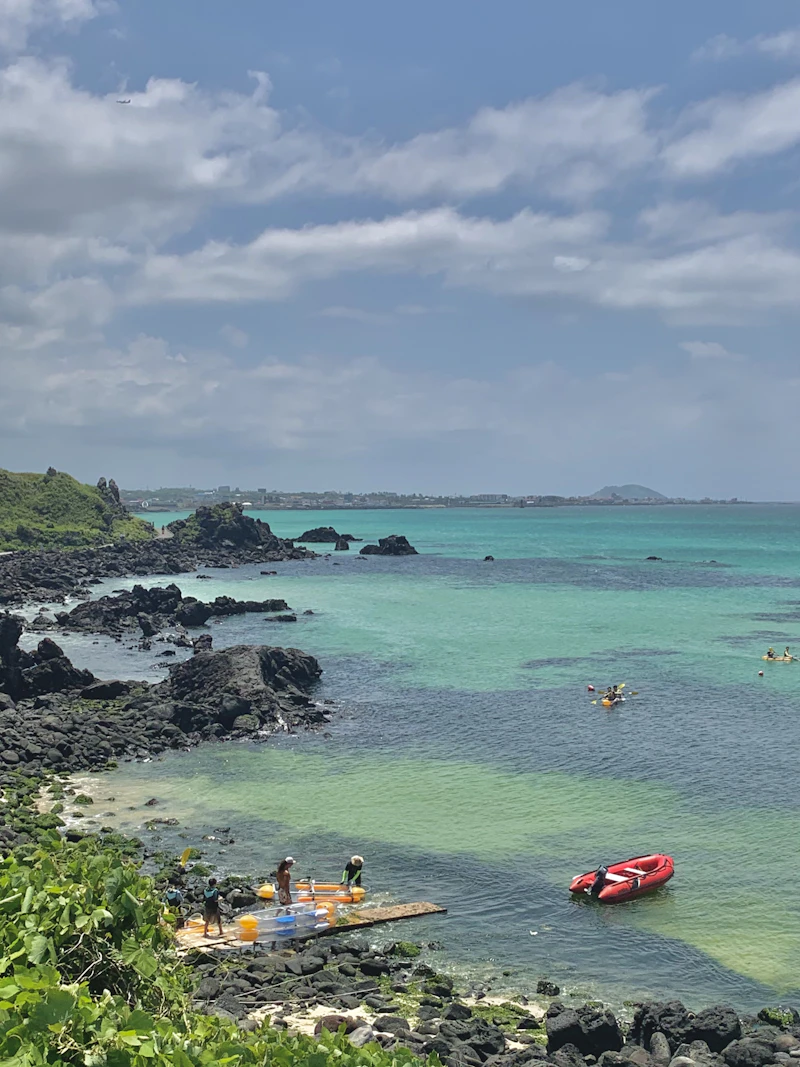
Jeju Island (also known as Jejudo) is South Korea’s crown jewel of natural beauty. Sitting roughly 80 kilometers off the southern coast of the Korean peninsula, this volcanic island has earned its reputation as one of Asia’s top travel destinations. Whether you are drawn to dramatic volcanic landscapes, pristine beaches, world-class hiking, or some of the freshest seafood you will ever taste, this Jeju Island travel guide 2026 covers everything you need to plan an unforgettable trip.
With over 15 million visitors annually (and growing), Jeju continues to evolve while preserving the natural wonders that earned it UNESCO World Heritage status. In this comprehensive guide, we will walk you through the best times to visit, top attractions, where to stay, what to eat, how to get around, and practical tips to make the most of your Jeju adventure in 2026.
Why Visit Jeju Island in 2026?
Jeju Island stands apart from any other destination in South Korea — and for good reason. Here is why 2026 is an exceptional year to visit:
UNESCO Triple Crown
Jeju is the only place on Earth to hold all three UNESCO natural science designations simultaneously: a Biosphere Reserve (2002), a World Natural Heritage Site (2007), and a Global Geopark (2010). This triple crown recognition means the island’s volcanic landscapes, lava tubes, and unique ecosystems are among the most scientifically significant on the planet. Walking through Jeju is like stepping into a living geology textbook.
Visa-Free Entry
One of Jeju’s biggest advantages for international travelers is its visa-free entry policy. Citizens of most countries can enter Jeju Island without a Korean visa for stays up to 30 days, as long as you fly directly to Jeju International Airport (CJU). This makes Jeju one of the most accessible destinations in East Asia. Note that this policy applies specifically to Jeju — if you plan to travel to mainland South Korea afterward, standard visa requirements apply.
Nature and Adventure
From the summit of Hallasan (South Korea’s tallest mountain at 1,950 meters) to the depths of the world’s longest lava tube system, Jeju delivers outdoor experiences that rival destinations many times its size. The island features over 360 parasitic volcanic cones (called oreum), more than 60 kilometers of pristine coastline, ancient forests, waterfalls, and a subtropical climate that supports species found nowhere else in Korea. Whether you are a serious hiker, a casual beach lover, or a curious explorer, Jeju has something extraordinary waiting for you.
New Developments in 2026
Jeju continues to invest in sustainable tourism infrastructure. In 2026, visitors can enjoy expanded Olle Trail segments, improved coastal cycling paths, new eco-friendly accommodations, and enhanced public transit routes connecting major attractions. The island has also ramped up its commitment to carbon-neutral tourism, making it an increasingly responsible travel choice.
Best Time to Visit Jeju Island
Jeju Island is a year-round destination, but each season brings a distinctly different experience. The island’s subtropical oceanic climate means milder winters than mainland Korea and pleasantly warm (though humid) summers. Here is a detailed breakdown to help you choose the perfect time for your visit:
| Season | Months | Temperature | Highlights | Crowd Level | Rating |
|---|---|---|---|---|---|
| Spring | March – May | 10-20C (50-68F) | Rapeseed flower fields, cherry blossoms, mild weather, green tea harvest | Moderate | Best |
| Summer | June – August | 23-33C (73-91F) | Beach season, water sports, monsoon rains (July), lush greenery | Very High | Good |
| Autumn | September – November | 12-23C (54-73F) | Stunning foliage, silver grass on oreums, hallabong season begins, clear skies | Moderate | Best |
| Winter | December – February | 2-8C (36-46F) | Camellia flowers, snow-capped Hallasan, lowest prices, fewest tourists | Low | Good (Budget) |
Our recommendation: Visit in April-May for the iconic rapeseed flower fields that blanket the island in brilliant yellow, or come in October-November for spectacular autumn foliage and comfortable temperatures. Both periods offer the best balance of weather, scenery, and manageable crowds.
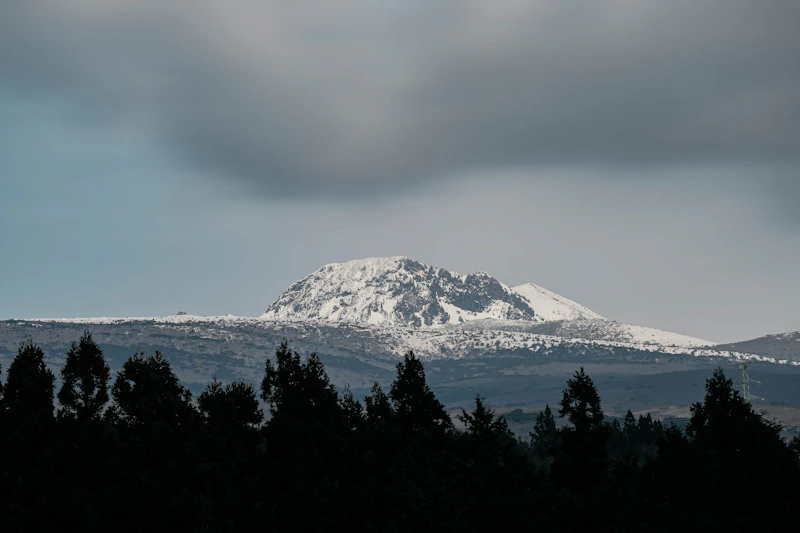
If you are on a budget, winter (December-February) offers the lowest accommodation prices and thinnest crowds. While some outdoor activities are limited, winter Jeju has its own magic — the camellia forests bloom in vivid red, and a snow-dusted Hallasan summit is one of Korea’s most photographed winter scenes.
Jeju City vs. Seogwipo: Where Should You Base Yourself?
Jeju Island is divided into two main cities: Jeju City in the north and Seogwipo in the south. Each has a distinct personality, and your choice of base can significantly shape your trip experience. Here is a detailed comparison:
| Category | Jeju City (North) | Seogwipo (South) |
|---|---|---|
| Vibe | Urban, bustling, commercial | Relaxed, scenic, nature-focused |
| Airport Access | 10-20 minutes | 50-70 minutes |
| Accommodation | Wide range from budget to luxury; more hotels and hostels | Boutique stays, pensions, resorts; quieter options |
| Nightlife | Bars, clubs, night markets in Tapdong and Nuwemaru | Limited; quiet evenings with ocean views |
| Food Scene | More restaurants, cafes, and international cuisine | Excellent local seafood, traditional markets |
| Nature Access | Hallasan northern trails, Hamdeok Beach, Manjanggul Cave | Seongsan Ilchulbong, Cheonjiyeon Falls, Jungmun Beach, Jusangjeolli Cliffs |
| Public Transport | Better bus coverage and frequency | Less frequent buses; car recommended |
| Best For | First-time visitors, solo travelers, nightlife seekers | Couples, families, nature lovers, relaxation |
| Average Hotel Price | $60-150 USD / night | $50-130 USD / night |
Our suggestion: If it is your first time visiting Jeju and you are only staying 3-4 days, base yourself in Jeju City for convenience and explore the south on day trips. For longer stays (5+ days), consider splitting your time between both cities — 2-3 nights in Jeju City and 2-3 nights in Seogwipo. If you are renting a car (which we strongly recommend), your base matters less since nowhere on the island is more than 90 minutes away.
Top 10 Must-Visit Attractions in Jeju Island
Jeju Island packs an astonishing number of world-class attractions into an island roughly the size of Maui. Here are the ten places you absolutely cannot miss:
1. Hallasan National Park
Standing at 1,950 meters, Hallasan is South Korea’s tallest mountain and the volcanic heart of Jeju Island. This dormant shield volcano dominates the island’s center and is visible from virtually everywhere. The hike to the summit crater lake (Baengnokdam) is one of Korea’s premier outdoor experiences, offering panoramic views that stretch to the ocean in every direction.
There are multiple trails to choose from. The Seongpanak Trail (9.6 km one way) and Gwaneumsa Trail (8.7 km) are the only two routes that reach the summit. Budget 8-10 hours round trip and start early — summit access closes at specific times depending on the season (usually around noon). The Yeongsil and Eorimok trails are shorter alternatives that reach the 1,700-meter level and still deliver spectacular scenery. Hallasan is a UNESCO World Heritage Site and requires no entry fee, though you must register at the trailhead.
2. Seongsan Ilchulbong (Sunrise Peak)
Seongsan Ilchulbong is perhaps Jeju’s most iconic landmark — a dramatic volcanic crater rising 182 meters from the ocean at the island’s eastern tip. Formed by a volcanic eruption roughly 5,000 years ago, this tuff cone features a massive crater at its summit surrounded by 99 rocky peaks that resemble a giant crown.
The 30-minute hike to the top is well worth the effort, especially at sunrise when the views are absolutely breathtaking. The crater floor is covered in lush grass and the surrounding ocean sparkles in the early morning light. Even if you are not a morning person, the views at any time of day are spectacular. At the base, you can often watch Jeju’s famous haenyeo (female free-divers) harvesting seafood from the ocean — a UNESCO Intangible Cultural Heritage tradition. Entry fee is around 5,000 KRW (about $4 USD).
3. Manjanggul Lava Cave
Manjanggul Cave is one of the longest lava tubes in the world, stretching over 7.4 kilometers underground. Only about 1 kilometer is open to visitors, but that is more than enough to leave you awestruck. Inside, you will find massive lava columns, formations created by flowing molten rock thousands of years ago, and the world’s largest known lava column standing at nearly 8 meters tall.
The cave maintains a cool temperature (around 11-21C year-round), making it an excellent escape from summer heat or a fascinating rainy-day activity. The walkway is well-maintained with atmospheric lighting. Bring a light jacket and wear sturdy shoes. Entry is approximately 4,000 KRW ($3 USD).
4. Cheonjiyeon Waterfall
Cheonjiyeon Waterfall, whose name translates to “pond of the gods,” is one of Jeju’s most beautiful natural wonders. The 22-meter-high waterfall cascades into a deep turquoise pool surrounded by lush subtropical vegetation. The short walking trail to the falls takes you through a forest filled with rare plants, including the damsupjeongi fern and wild orchids.
Located in central Seogwipo, it is easily accessible and makes for a perfect half-day excursion. Visit in the morning for softer light and fewer crowds. The surrounding area has several cafes and restaurants, making it easy to combine with lunch in Seogwipo. Entry fee is approximately 2,500 KRW ($2 USD).
5. Udo Island
Udo Island (Udo-bong) is a tiny coral island just a 15-minute ferry ride from Jeju’s eastern shore, and it feels like a miniature paradise within a paradise. Known for its turquoise waters, white sand beaches (especially Sanho Beach with its coral sand), and laid-back atmosphere, Udo is perfect for a full-day island-hopping adventure.
Rent an electric scooter or bicycle to circle the island (about 17 km) and stop at the lighthouse viewpoint, peanut ice cream shops (a Udo specialty), and secluded swimming spots. The island is also famous for its haenyeo divers and fresh seafood restaurants. Ferries depart regularly from Seongsan Port, and the round trip costs approximately 8,500 KRW ($7 USD).
6. Jeju Olle Trail
The Jeju Olle Trail is a network of 27 walking routes (totaling over 425 kilometers) that trace the island’s coastline and weave through villages, forests, and volcanic landscapes. Inspired by Spain’s Camino de Santiago, each route is between 11 and 23 kilometers long and takes 4-7 hours to complete.
You do not need to complete the entire network. Popular individual routes include Route 7 (the most famous, following the southern coast near Jungmun), Route 1 (starting from Seongsan), and Route 10 (featuring beautiful forest and mountain scenery). The trails are well-marked with blue and orange ribbon markers. It is completely free and one of the best ways to experience the real Jeju beyond the tourist hotspots.
7. Innisfree Jeju House
For fans of Korean beauty (K-beauty), the Innisfree Jeju House in Seogwipo is a pilgrimage site. This beautiful eco-complex set amid green tea fields lets you experience the natural ingredients that go into Innisfree’s famous skincare products. You can make your own soap using Jeju volcanic clay, enjoy organic green tea beverages, and shop for Jeju-exclusive products not available anywhere else.
The surrounding green tea fields are gorgeous, especially in spring and early summer when the terraced rows glow in vivid green. Free entry to the grounds; DIY workshops cost approximately 5,000-15,000 KRW ($4-12 USD).
8. Teddy Bear Museum
The Teddy Bear Museum in the Jungmun Resort Complex might sound quirky, but it is actually one of Jeju’s most-visited attractions — and for good reason. The museum houses an impressive collection of teddy bears from around the world, many staged in elaborate dioramas recreating famous historical scenes, artworks, and cultural landmarks.
It is especially popular with families and couples, and the outdoor garden overlooking the coast offers excellent photo opportunities. The museum shop has unique Jeju-themed bears that make great souvenirs. Entry is approximately 14,000 KRW ($11 USD) for adults.
9. Jusangjeolli Cliffs
The Jusangjeolli Cliffs are a stunning example of Jeju’s volcanic geology. These hexagonal basalt columns, formed when lava from Hallasan cooled rapidly upon contact with the ocean, line the coast near Jungmun. The geometric precision of these natural pillars — some rising up to 20 meters — is mesmerizing, especially when waves crash against them.
A wooden boardwalk along the cliff edge provides safe viewing points and excellent photo angles. Visit during high tide for the most dramatic wave action. The site is compact and can be explored in about 30-45 minutes, making it easy to combine with nearby Jungmun Beach and the Teddy Bear Museum. Entry is approximately 2,000 KRW ($1.50 USD).
10. Seopjikoji
Seopjikoji is a gorgeous coastal area on Jeju’s eastern shore, famous for its sweeping ocean views, rapeseed flower fields (in spring), and dramatic cliffs. This scenic promontory gained fame as a filming location for several Korean dramas and movies, and it is easy to see why — the combination of volcanic rock, wildflowers, and sea views is incredibly photogenic.
A walking trail loops around the area and takes about 40-60 minutes. The Bada Glass House (designed by architect Tadao Ando) sits at the far end and offers a stunning architectural contrast against the wild landscape. Seopjikoji is especially magical at sunset. Free entry and free parking.
Jeju Food Guide: What to Eat
Jeju’s cuisine is as unique as its landscape. Surrounded by ocean and blessed with fertile volcanic soil, the island has developed a food culture distinct from mainland Korea. Fresh seafood, black pork, and citrus fruits are the pillars of Jeju’s culinary identity. Here are the must-try dishes and what you can expect to pay:
| Dish | Description | Price Range (KRW) | Price Range (USD) | Where to Try |
|---|---|---|---|---|
| Jeju Black Pork BBQ | Premium pork from Jeju’s native black pigs, grilled at your table. Richer and more flavorful than regular pork with a distinctive nutty taste. | 15,000 – 25,000 per serving | $12 – $20 | Black Pork Street (Heukdwaeji Street) in Jeju City |
| Haemul-tang (Seafood Stew) | Enormous hot pot brimming with fresh crab, shrimp, octopus, clams, and vegetables in a spicy broth. Usually serves 2-3 people. | 40,000 – 60,000 per pot | $30 – $46 | Dongmun Traditional Market, coastal restaurants |
| Jeonbok-juk (Abalone Porridge) | Creamy rice porridge cooked with fresh Jeju abalone. Mild, nourishing, and perfect for breakfast. A true Jeju comfort food. | 12,000 – 18,000 | $9 – $14 | Restaurants near Seongsan, Udo Island |
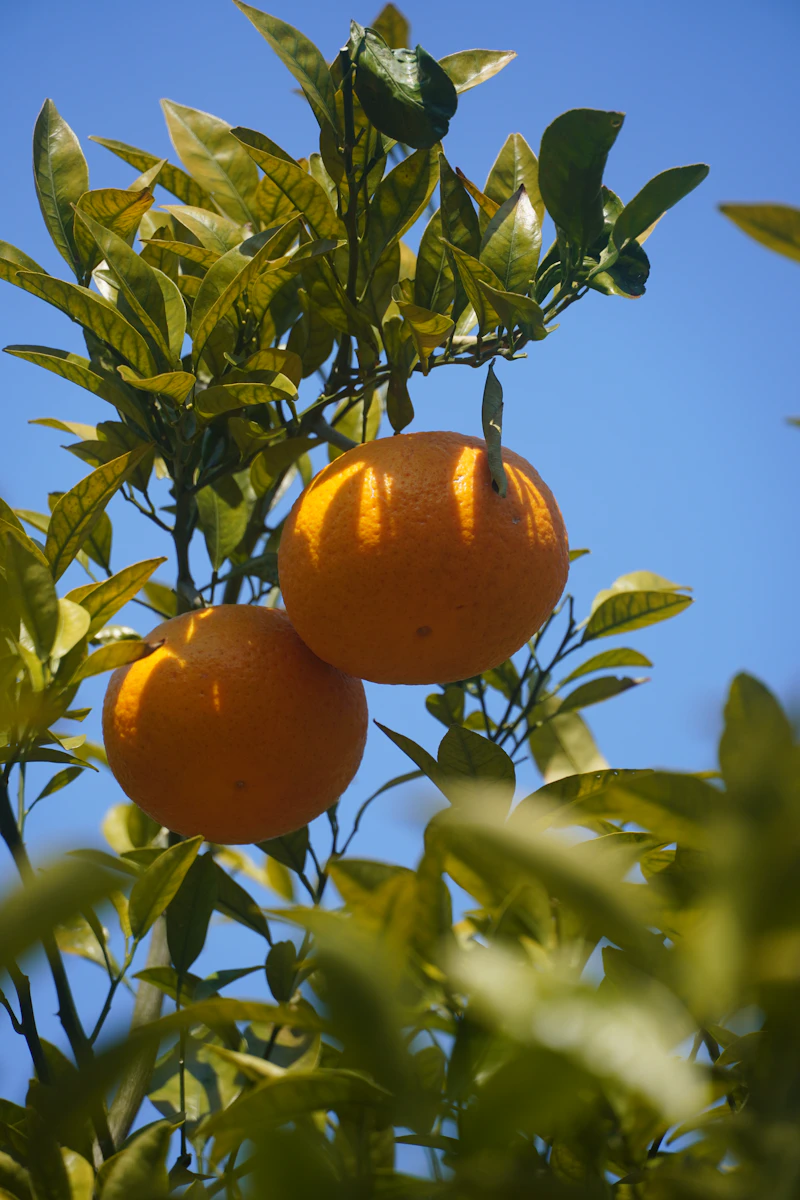
| Hallabong Tangerines | Jeju’s famous sweet citrus fruit with a distinctive bump on top. Also available as juice, marmalade, and chocolate. Peak season: December-March. | 5,000 – 15,000 per bag | $4 – $12 | Roadside stands, traditional markets, farms |
| Jeju Makgeolli | Traditional Korean rice wine brewed with Jeju’s clean water. Often flavored with hallabong, kiwi, or other local fruits. Mildly sweet and fizzy. | 5,000 – 8,000 per bottle | $4 – $6 | Local bars, convenience stores, traditional markets |
| Omegi-tteok | Jeju’s signature rice cake made from millet and filled with sweet red bean paste. Chewy, satisfying, and unique to the island. | 2,000 – 5,000 per box | $1.50 – $4 | Traditional markets, souvenir shops, bakeries |
Pro tip: For the freshest seafood experience, visit Dongmun Traditional Market in Jeju City. You can buy live seafood on the ground floor and have it prepared at restaurants upstairs for a small cooking fee. It is the best value seafood dining on the island. Also, do not miss trying raw horse meat (a Jeju delicacy) if you are feeling adventurous — it is typically served thinly sliced with sesame oil and salt.
Getting Around Jeju Island
How you get around Jeju will significantly impact your experience. The island is roughly 73 km wide and 41 km from north to south, making it manageable but too large to explore on foot. Here is a comparison of your main transport options:
| Transport | Cost | Convenience | Coverage | Best For | Our Rating |
|---|---|---|---|---|---|
| Rental Car | 30,000 – 80,000 KRW/day ($23 – $60 USD) + fuel | Excellent — go anywhere, anytime | 100% of the island including hidden gems | Everyone (strongly recommended) | BEST CHOICE |
| Public Bus | 1,200 – 3,000 KRW per ride ($1 – $2.30 USD) | Moderate — main routes are good, rural areas limited | Major attractions and cities only | Budget travelers, solo travelers, Jeju City-based trips | Good |
| Taxi | 3,800 KRW base + 1,000 KRW per km (~$3 + $0.75/km) | Good for short trips, expensive for long distances | Anywhere, but costly for full-day touring | Short trips, airport transfers, late-night travel | Situational |
| Tour Bus / Package | 40,000 – 80,000 KRW per day ($30 – $60 USD) | Easy — no planning needed | Set itinerary, major sights only | Non-drivers, limited time, first-time visitors | Convenient |
| Electric Scooter | 20,000 – 40,000 KRW/day ($15 – $30 USD) | Fun but weather-dependent and limited range | Coastal areas, flat terrain only | Short trips, Udo Island exploration | Fun Add-on |
We strongly recommend renting a car. A rental car transforms your Jeju experience. Many of the island’s best spots — hidden cafes perched on cliffs, secluded beaches, tiny fishing villages, scenic coastal roads — are simply unreachable or extremely inconvenient by public transport. Driving in Jeju is straightforward: roads are well-maintained and well-signposted (in Korean and English), traffic is light compared to mainland cities, and GPS navigation (via Naver Map or Kakao Map apps) works perfectly.
International visitors can rent a car with a valid International Driving Permit (IDP) plus their home country license. Major rental companies at Jeju Airport include Lotte Rent-a-Car, Jeju Rent-a-Car, and KT Kumho. Book in advance during peak seasons (summer, Korean holidays) as cars sell out quickly. Most rentals include basic insurance, but we recommend purchasing full coverage (around 10,000-15,000 KRW extra per day) for peace of mind.
Where to Stay in Jeju Island
Jeju offers accommodation ranging from budget guesthouses and hostels to world-class luxury resorts. Where you stay depends on your priorities, travel style, and which part of the island you want to explore most. We have curated a list of our top-reviewed hotels across different areas and budgets:
| Hotel | Area | Style | Best For | Review |
|---|---|---|---|---|
| Zen Hideaway Jeju | South Jeju | Boutique / Retreat | Couples, relaxation seekers | Read Review |
| Jeju Haemil Resort | Seogwipo | Resort | Families, mid-range budgets | Read Review |
| Ocean Square Resort | Seogwipo | Resort | Ocean views, beach access | Read Review |
| UTOP UBLESS Hotel Hamdeok | Hamdeok (North) | Modern Hotel | Beach lovers, stylish travelers | Read Review |
| Benikea Jungmun Hotel | Jungmun | Mid-Range Hotel | Families, resort area access | Read Review |
| Top Island Hotel | Jeju City | Business / Value | Budget-conscious travelers, city convenience | Read Review |
| Dyne Resort | Jeju | Resort | Leisure travelers, groups | Read Review |
| I Jin Hotel | Jeju City | Value Hotel | Solo travelers, short stays | Read Review |
| With Stay Hotel Jeju | Jeju City | Modern Hotel | Convenience, central location | Read Review |
| Aewol Bada Town House | Aewol (West) | Guesthouse / Pension | Budget travelers, sunset views, cafe hopping | Read Review |
Booking tip: Jeju accommodation fills up fast during Korean holidays (Chuseok, Lunar New Year, summer vacation in July-August). Book at least 4-6 weeks in advance during these periods. For the best hotel deals and a wide selection of properties across all budgets, we recommend checking Agoda’s Jeju hotel listings where you can often find last-minute discounts and exclusive member prices.
Jeju Island Budget Guide
Jeju can fit nearly any budget. While it is not as cheap as Southeast Asian destinations, it offers excellent value compared to Japan or other Korean resort areas. Here is a realistic breakdown of daily costs for different travel styles:
| Category | Budget ($50-80/day) | Mid-Range ($80-150/day) | Luxury ($200+/day) |
|---|---|---|---|
| Accommodation | $20-35 (hostels, guesthouses) | $50-100 (hotels, pensions) | $150-400+ (resorts, boutique hotels) |
| Food | $15-25 (local restaurants, market food, convenience stores) | $25-40 (mix of local and mid-range dining) | $50-100+ (fine dining, premium BBQ, omakase) |
| Transport | $5-10 (public bus) | $25-40 (rental car + fuel) | $40-80 (premium rental car, private driver) |
| Activities | $5-10 (free hikes, beaches, affordable entry fees) | $10-25 (museums, tours, experiences) | $30-80 (private tours, diving, spa treatments) |
| Daily Total | $50-80 | $80-150 | $200+ |
Money-saving tips: Buy a T-money card at the airport for discounted bus fares. Eat at traditional markets for authentic food at local prices. Many of Jeju’s best attractions (Hallasan, Olle Trails, beaches, Seopjikoji) are free. Download the Jeju Bus Info app for real-time bus schedules. Book accommodation with kitchen access and grab breakfast supplies from a convenience store — GS25, CU, and 7-Eleven are everywhere and stock surprisingly good ready-to-eat meals.
Practical Tips for Visiting Jeju Island
Language
Korean is the primary language, and English proficiency varies. In tourist areas, hotels, and major attractions, you will find English signage and some English-speaking staff. In rural areas and local restaurants, communication can be more challenging. Download Papago or Google Translate (with Korean offline language pack) before you arrive. Learning basic Korean phrases like “annyeonghaseyo” (hello), “gamsahamnida” (thank you), and “eolmayeyo” (how much?) goes a long way.
Connectivity
Pick up a Korean SIM card or portable WiFi device at Jeju Airport’s arrival hall. Several vendors offer tourist SIM cards starting from about 20,000 KRW ($15 USD) for 5-10 days of unlimited data. Alternatively, eSIM options like Airalo or KT Roaming work well. Free WiFi is widely available in cafes, convenience stores, and many public spaces, but having mobile data is essential for navigation apps (Naver Map or Kakao Map are far more accurate than Google Maps in Korea).
Currency and Payments
The currency is Korean Won (KRW). Credit cards (Visa and Mastercard) are accepted almost everywhere, including small restaurants and convenience stores — Korea is one of the most cashless societies in the world. However, carrying some cash (50,000-100,000 KRW) is wise for traditional markets, small vendors, and rural areas. ATMs at convenience stores (GS25, CU) accept international cards. Avoid exchanging money at the airport; rates are better at banks or currency exchange shops in Jeju City.
Weather Preparedness
Jeju’s weather is famously unpredictable. The island saying goes: “Jeju has four seasons in one day.” Always carry a light rain jacket or compact umbrella, even on sunny days. Wind can be strong, especially along the coast and at higher elevations. If hiking Hallasan, check weather conditions at the national park website before setting out — trails close in high winds or heavy rain. Layer your clothing for flexibility.
Cultural Etiquette
Jeju people are warm and welcoming. Remove shoes when entering guesthouses, some restaurants, and traditional spaces. Tipping is not customary in Korea. When receiving items or shaking hands, using both hands or supporting your right arm with your left hand shows respect. Avoid pointing with your index finger — use your whole hand instead. Do not blow your nose loudly in restaurants.
Safety
Jeju is one of the safest travel destinations in the world. Violent crime is extremely rare, and petty theft is uncommon. Solo travelers, including women, can feel comfortable exploring day and night. That said, exercise normal precautions with your belongings and be aware of ocean conditions when swimming at beaches — some have strong currents. Emergency number is 119 (fire/ambulance) and 112 (police); the Tourist Complaint Center at 1330 offers English-language assistance.
4-Day Jeju Island Itinerary
Four days is the sweet spot for a first visit to Jeju — enough time to see the highlights without feeling rushed. Here is our recommended itinerary that balances iconic attractions with local experiences:
| Day | Theme | Morning | Afternoon | Evening |
|---|---|---|---|---|
| Day 1 | East Jeju | Sunrise at Seongsan Ilchulbong (wake up early!), watch haenyeo divers | Ferry to Udo Island — cycle around, swim at Sanho Beach, peanut ice cream | Return to Jeju City, dinner at Dongmun Traditional Market |
| Day 2 | Hallasan Hike | Early start on Seongpanak Trail (aim for 6 AM departure for summit) | Summit Baengnokdam crater lake, descend via same trail | Celebrate with black pork BBQ at Heukdwaeji Street in Jeju City |
| Day 3 | South Coast | Drive to Seogwipo, visit Cheonjiyeon Waterfall | Jusangjeolli Cliffs, Teddy Bear Museum, Jungmun Beach | Seafood dinner in Seogwipo, stroll along Seogwipo harbor |
| Day 4 | West Coast and Culture | Manjanggul Lava Cave, Seopjikoji coastal walk | Innisfree Jeju House, Aewol coastal cafes, O’sulloc Tea Museum | Sunset at Aewol Handam Coastal Trail, farewell dinner |
Itinerary tips: This itinerary assumes you have a rental car. If relying on public buses, you may need to adjust the schedule and focus on fewer stops per day. Day 2 (Hallasan) is physically demanding — wear proper hiking shoes and bring plenty of water and snacks. The mountain has no shops along the trail. If you are not up for the full summit hike, the Yeongsil Trail to the Witseoreum shelter (about 4 hours round trip) is a beautiful alternative.
Frequently Asked Questions
Do I need a visa to visit Jeju Island?
No, most nationalities can enter Jeju Island visa-free for up to 30 days when flying directly to Jeju International Airport (CJU). This is a special policy unique to Jeju and does not apply to mainland South Korea. You will need a valid passport with at least 6 months remaining validity. Citizens of some countries may have restrictions, so check with the Korean Immigration Service before traveling. If you plan to also visit Seoul or other mainland cities, you may need a separate Korean visa depending on your nationality.
How many days should I spend in Jeju Island?
We recommend a minimum of 3-4 days to cover the major highlights comfortably. This gives you enough time to hike Hallasan, explore Seongsan Ilchulbong, visit the southern coast attractions, and enjoy Jeju’s food scene. If you want a more relaxed pace, including beach days, multiple Olle Trail hikes, and day trips to Udo Island, plan for 5-7 days. Travelers who want to thoroughly explore the island — including hidden gems, lesser-known oreums, and the full coastal experience — could easily spend 10 days or more.
Is Jeju Island expensive to visit?
Jeju is moderately priced by international standards. Budget travelers can manage on $50-80 USD per day using hostels, public buses, and local restaurants. Mid-range travelers should budget $80-150 USD per day including a hotel, rental car, and dining out. Many of Jeju’s best attractions — including Hallasan National Park, the Olle Trails, beaches, and Seopjikoji — are free. The biggest expenses tend to be accommodation and car rental. Dining is generally affordable, especially at traditional markets and local restaurants.
Can I use Google Maps in Jeju?
Google Maps works in Jeju but has limited functionality — it does not provide driving directions or accurate transit information in South Korea due to government mapping restrictions. Instead, download Naver Map or Kakao Map before your trip. Both apps offer excellent navigation (including driving, walking, and bus routes), English language support, and far more accurate local business information. Naver Map tends to have better English support, while Kakao Map integrates with the popular Kakao Taxi app for ride-hailing.
Is it safe to drive in Jeju as a foreign tourist?
Yes, driving in Jeju is safe and straightforward for foreign visitors. Roads are well-maintained, clearly signposted in both Korean and English, and traffic is significantly lighter than on the mainland. You drive on the right side of the road (same as the US, Europe, and most countries). You will need an International Driving Permit (IDP) along with your valid home country license. Speed limits are well-enforced by cameras, so pay attention to posted limits. The only challenge might be narrow rural roads in some areas, but overall Jeju is one of the easiest places to drive in Korea.
What is the best way to get from Seoul to Jeju Island?
Flying is the only practical option and also very convenient. The Seoul to Jeju route is one of the busiest air routes in the world, with dozens of daily flights from both Gimpo (GMP) and Incheon (ICN) airports. Flight time is approximately 1 hour and 10 minutes. Budget airlines like Jeju Air, Jin Air, T’way Air, and Air Busan offer one-way fares starting from around 40,000-80,000 KRW ($30-60 USD) when booked in advance. Korean Air and Asiana also serve the route. There is no bridge or train connection to Jeju — a ferry from the mainland takes about 12 hours and is not recommended for most travelers.
Final Thoughts: Your Jeju Island Adventure Awaits
Jeju Island is one of those rare destinations that manages to exceed expectations no matter how much you have heard about it. The volcanic landscapes feel otherworldly, the food is extraordinary, the people are welcoming, and the pace of life invites you to slow down and soak it all in. Whether you are watching the sunrise paint Seongsan Ilchulbong in gold, tasting your first bite of perfectly grilled black pork, or standing at the Hallasan summit with the entire island spread below you, Jeju creates moments that stay with you long after you return home.
2026 is an excellent year to visit, with improved infrastructure, expanding eco-tourism options, and a travel landscape that makes Jeju more accessible than ever. The visa-free entry policy removes one of the biggest barriers for international travelers, and the island’s commitment to preserving its natural heritage means the Jeju you visit today will still be beautiful for generations to come.
Our biggest piece of advice? Rent a car, leave room in your itinerary for spontaneous detours, and do not skip the black pork. Jeju has a way of surprising you around every corner — a hidden cafe with ocean views, a tiny oreum with no other visitors, a grandmother selling fresh tangerines by the roadside. These unplanned moments often become the best memories.
Ready to Book Your Jeju Island Trip?
Find the best deals on Jeju hotels, resorts, and guesthouses. Compare prices across hundreds of properties and book with free cancellation on most rooms.
Best price guaranteed — compare and save on your Jeju accommodation
Have questions about planning your Jeju Island trip? Drop a comment below and we will help you out. Safe travels and enjoy Korea’s tropical paradise!