TL;DR: Seoul is one of Asia’s most exciting capitals — ancient palaces, world-class food, incredible shopping, and a safe, efficient city to navigate. Best visited in April (cherry blossoms) or October (fall foliage). Budget $45-185/day depending on your travel style. This guide covers neighborhoods, attractions, food, transport, and hotels for 2026.
Why Visit Seoul in 2026?
Seoul is a city of contrasts. Ancient palaces sit next to futuristic skyscrapers. Street food stalls share blocks with Michelin-starred restaurants. K-pop culture thrives alongside centuries-old Buddhist temples.
As South Korea’s capital and home to nearly 10 million people, Seoul has become one of Asia’s top travel destinations. And 2026 brings even more reasons to visit — new museum openings, expanded subway lines, and Korea’s growing global cultural influence.
Whether you are a first-time visitor or coming back for more, this guide has everything you need.
Best Time to Visit Seoul
| Season | Months | Temperature | Best For | Crowd Level |
|---|---|---|---|---|
| Spring | Mar – May | 10 – 20 C | Cherry blossoms, palace visits | High |
| Summer | Jun – Aug | 25 – 33 C | Festivals, budget deals | Medium |
| Autumn | Sep – Nov | 10 – 25 C | Fall foliage, hiking | High |
| Winter | Dec – Feb | -10 – 5 C | Skiing, Christmas markets | Low |
Our pick: Visit in April for cherry blossoms at Yeouido Hangang Park and Seokchon Lake, or October for stunning fall colors at Bukhansan National Park and the royal palaces.
Budget tip: Summer (July-August) and winter (January-February) offer the lowest hotel prices. Expect monsoon rain in summer and sub-zero temperatures in winter, but fewer tourists and great deals.
Top 6 Neighborhoods – Where to Base Yourself
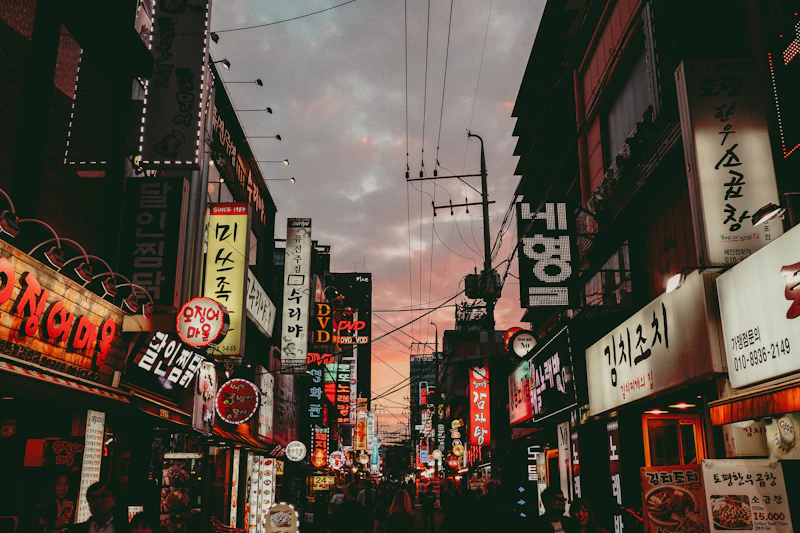
Choosing the right neighborhood makes or breaks your Seoul experience. Here is a quick comparison:
| Neighborhood | Best For | Vibe | Budget (per night) |
|---|---|---|---|
| Myeongdong | First-timers, shopping | Busy, central, tourist-friendly | $60 – $200 |
| Hongdae | Nightlife, budget travelers | Young, creative, energetic | $30 – $120 |
| Gangnam | Luxury, modern Seoul | Upscale, polished, trendy | $100 – $400 |
| Insadong | Culture, traditional arts | Artsy, calm, historic | $50 – $150 |
| Itaewon | International food, expats | Diverse, global, relaxed | $50 – $180 |
| Jamsil | Families, entertainment | Modern, spacious, family-friendly | $70 – $200 |
Myeongdong – Best for First-Time Visitors
The heart of Seoul’s shopping scene. K-beauty flagship stores, street food on every corner, and a 5-minute walk to Namdaemun Market and N Seoul Tower. Why stay here: Everything is walkable, subway connections are excellent, and English is widely spoken. If this is your first time in Seoul, Myeongdong is your safest bet.
Hongdae – Best for Nightlife and Budget Travelers
Named after Hongik University, this is Seoul’s creative heartbeat. Live music venues, street performers every weekend, quirky cafes, and Korea’s best nightlife. Why stay here: The cheapest accommodation in central Seoul, plus you are right next to the airport rail line (AREX) for easy Incheon Airport access.
Gangnam – Best for Luxury Travelers
Yes, that Gangnam. Upscale shopping at COEX Mall, Michelin-starred restaurants, and Seoul’s most luxurious hotels. The Garosu-gil street is lined with designer boutiques and Instagram-worthy cafes. Why stay here: If you want five-star comfort and modern Seoul vibes.
Insadong – Best for Culture Lovers
Traditional tea houses, art galleries, calligraphy shops, and hanbok rental stores. Walking distance to two major palaces (Gyeongbokgung and Changdeokgung). Why stay here: The most culturally immersive neighborhood in Seoul. Perfect for travelers who want to experience traditional Korea.
Itaewon – Best for International Travelers
Seoul’s most cosmopolitan area with restaurants from 50+ countries, craft breweries, and the most English-friendly atmosphere in the city. Home to the National Museum of Korea. Why stay here: Feels like home for Western travelers, with no language barrier at restaurants and shops.
Jamsil – Best for Families
Lotte World theme park, Seoul’s tallest building (Lotte World Tower), and beautiful Seokchon Lake. Why stay here: Great for families with kids who want theme park access and spacious, modern hotels.
8 Must-Visit Attractions
1. Gyeongbokgung Palace
Seoul’s grandest palace, built in 1395. Watch the changing of the guard ceremony (10am and 2pm) and explore the National Folk Museum inside the grounds. Pro tip: Rent a hanbok from a nearby shop — you get free palace entry and look amazing in photos. Open Tue-Sun, closed Mondays.
2. Bukchon Hanok Village
A hillside neighborhood of 600-year-old traditional houses (hanok) between two palaces. The narrow alleys and rooftop views over Seoul are stunning. Pro tip: Go before 9am to avoid tour groups. The houses are real homes, so keep quiet and be respectful.
3. N Seoul Tower (Namsan Tower)
360-degree panoramic views of the entire city from atop Namsan Mountain. Take the cable car up (one-way: 11,000 KRW) and walk down through the forested trails. The love locks on the observation deck are iconic. Best time: Arrive 30 minutes before sunset for both daytime and nighttime views.
4. Myeongdong Street and Namdaemun Market
K-beauty shopping paradise by day, street food heaven by night. Namdaemun Market (10-minute walk away) is Korea’s largest traditional market with 10,000+ vendors selling everything from clothes to handmade knives. Must-try street food: Tteokbokki, hotteok, egg bread, and tornado potatoes.
5. COEX Starfield Library
Two massive floor-to-ceiling bookshelves in the middle of Asia’s largest underground mall. Free to visit, incredibly photogenic, and a great rainy-day option. The COEX complex also has an aquarium and cinema.
6. Hongdae Weekend Free Market
Every Saturday and Sunday, Hongdae’s main street transforms into an open-air festival. Street dancers, indie musicians, portrait artists, and handmade craft vendors. Free to watch and endlessly entertaining. Best time: Saturday 1pm-6pm for the biggest crowds and best performances.
7. DMZ (Demilitarized Zone)
The world’s most heavily fortified border, just 50km north of Seoul. Stand in the room that straddles North and South Korea, peer into North Korea through binoculars, and explore infiltration tunnels. Important: You must book a guided tour in advance. Solo visits are not allowed. Half-day tours start at $45-60 USD.
8. Lotte World Tower Seoul Sky
The 5th tallest building in the world (555m). The Seoul Sky observation deck on floors 117-123 features a terrifying glass floor and views up to 40km on clear days. Combined tickets with Lotte World theme park are available for families.
Seoul Food Guide – 7 Dishes You Must Try
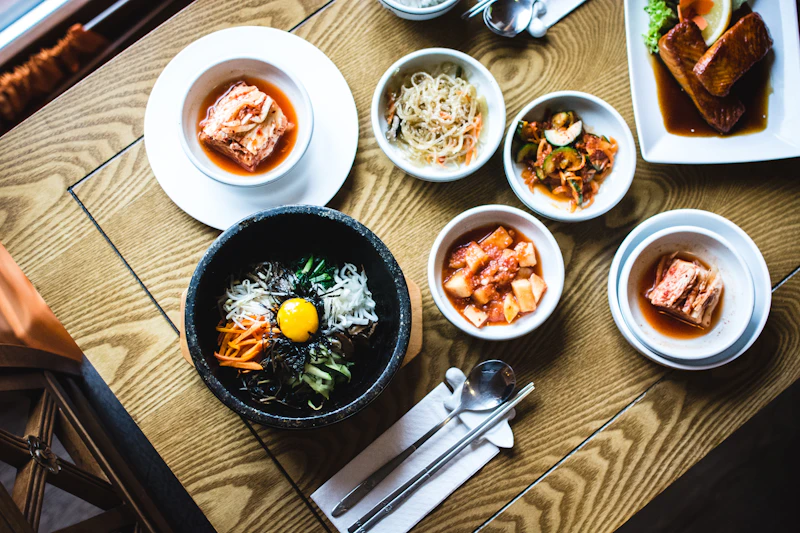
Seoul is a food capital. You could eat a different incredible meal three times a day for a month and barely scratch the surface. Here are the absolute essentials:
| Dish | What It Is | Price Range | Where to Try |
|---|---|---|---|
| Korean BBQ | Grill-your-own beef/pork at the table | 15,000 – 40,000 KRW | Mapo-gu for locals’ picks |
| Bibimbap | Mixed rice, vegetables, egg, gochujang | 8,000 – 12,000 KRW | Jeonju Restaurant, Insadong |
| Tteokbokki | Spicy rice cakes in red sauce | 3,000 – 5,000 KRW | Sindang Tteokbokki Town |
| Samgyeopsal | Thick-cut pork belly, grilled | 12,000 – 18,000 KRW | Any neighborhood restaurant |
| Kimchi Jjigae | Hearty kimchi stew with pork | 7,000 – 9,000 KRW | Found everywhere |
| Hotteok | Sweet pancake filled with brown sugar | 1,500 – 2,000 KRW | Myeongdong street vendors |
| Chimaek | Korean fried chicken + beer | 18,000 – 25,000 KRW | Hongdae or Gangnam |
3 Best Food Markets
- Gwangjang Market — Seoul’s oldest market (est. 1905). Famous for bindaetteok (mung bean pancakes) and mayak gimbap (“addictive” mini rice rolls). A must-visit for any food lover.
- Namdaemun Market — Massive variety of street food, dried goods, and traditional Korean snacks. Great for lunch on-the-go.
- Tongin Market — Buy old-fashioned brass coins and create your own lunch box from different vendors. A unique and fun dining experience.
Getting Around Seoul
| Transport | Cost | Best For | Tips |
|---|---|---|---|
| Subway | 1,250 KRW (~$1) | Everything | Get a T-money card. 23 lines, English signs |
| Bus | 1,200 KRW | Gaps between subway lines | Use Naver Map app for routes |
| Taxi | From 4,800 KRW | Late night, groups | Use Kakao T app (like Uber) |
| KTX Train | From 59,800 KRW | Day trips to Busan/Gyeongju | Book at Korail website |
The #1 tip: Buy a T-money card (2,500 KRW) at any convenience store when you arrive. It works on all subways, buses, and even some taxis. Recharge at any convenience store or subway station.
Incheon Airport to Seoul
| Option | Time | Cost | Best For |
|---|---|---|---|
| AREX Express | 43 min | 9,500 KRW | Speed – direct to Seoul Station |
| AREX All-Stop | 66 min | 4,750 KRW | Budget – connects to subway |
| Airport Bus | 60 – 90 min | 16,000 KRW | Direct to hotel areas |
| Taxi | 60 – 90 min | 60,000 – 100,000 KRW | Late night, heavy luggage |
Where to Stay in Seoul
Seoul offers accommodations for every budget. Here are top-rated hotels reviewed on TravelerGo:
Luxury
- Sofitel Ambassador Seoul Hotel — Five-star elegance in the heart of the city
- Four Points by Sheraton Josun, Seoul Station — Premium location, steps from Seoul Station and Myeongdong
- Courtyard Seoul Botanic Park — Nature-surrounded retreat with modern amenities
Mid-Range
- Nine Tree by Parnas Seoul Insadong — Sleek design in the cultural heart of Insadong
- Hotel ParkHabio — Stylish boutique hotel with great value
- THE RECENZ Dongdaemun Hotel — Perfect base for Dongdaemun shopping district
- Jamsil Orosie Tourist Hotel — Family-friendly, walking distance to Lotte World
Budget
- Aiola Cine Hongdae — Trendy and affordable in the center of Hongdae nightlife
- UH Suite Central Seoul — Spacious suites at mid-range prices
- OYO Hostel Myeongdong — Budget-friendly in prime Myeongdong location
Compare all Seoul hotel prices on Agoda →
Budget Guide – How Much Does Seoul Cost?
| Category | Budget ($45-60/day) | Mid-Range ($110-185/day) | Luxury ($300+/day) |
|---|---|---|---|
| Hotel | Hostel dorm $15-25 | 3-star hotel $60-100 | 5-star hotel $200+ |
| Food | Street food + convenience store $15-20 | Restaurants + cafes $30-50 | Fine dining $80+ |
| Transport | Subway only $5-8 | Subway + occasional taxi $10-20 | Taxi everywhere $30+ |
| Activities | Free palaces + markets $5-10 | Paid attractions $15-30 | Private tours $50+ |
Money tips:
- Currency: Korean Won (KRW). 1 USD = approximately 1,350 KRW
- Cards: Credit and debit cards accepted almost everywhere — even small street stalls often take cards
- Tipping: Not expected or common in Korea. Do not tip at restaurants
- ATMs: 7-Eleven and CU convenience store ATMs accept international cards
Practical Tips for 2026
Internet and Apps
- Get a Korean eSIM or SIM card at Incheon Airport arrivals — data is cheap and fast (5G coverage)
- Download Naver Map — far more accurate than Google Maps in Korea
- Download Papago — best Korean-English translation app (by Naver)
- Download Kakao T — the Uber of Korea for booking taxis
Language
You do not need to speak Korean to enjoy Seoul. Major tourist areas, subway stations, and restaurants have English signage. Subway announcements play in Korean, English, Chinese, and Japanese.
That said, learning a few basic phrases earns you smiles everywhere:
- Annyeonghaseyo — Hello
- Gamsahamnida — Thank you
- Eolmayeyo? — How much is it?
- Mashisseoyo! — Delicious!
Safety
Seoul is one of the safest major cities in the world. It is common to see Koreans leave laptops and bags unattended in cafes. Public transportation runs safely at all hours. Use normal precautions in crowded tourist areas like Myeongdong.
5-Day Seoul Itinerary
| Day | Theme | Highlights |
|---|---|---|
| Day 1 | Historic Seoul | Gyeongbokgung Palace, Bukchon Hanok Village, Insadong, Gwangjang Market dinner |
| Day 2 | Modern Seoul | COEX Starfield Library, Gangnam, Garosu-gil, Lotte World Tower Seoul Sky |
| Day 3 | Shopping and Food | Myeongdong, Namdaemun Market, N Seoul Tower sunset, Hongdae nightlife |
| Day 4 | Day Trip | Option A: DMZ Tour / Option B: Nami Island + Garden of Morning Calm |
| Day 5 | Local Vibes | Tongin Market, Yeonnam-dong cafes, Han River bike ride, Korean BBQ farewell |
FAQ
Is Seoul safe for tourists in 2026?
How many days do you need in Seoul?
What is the best month to visit Seoul?
Do I need a visa to visit South Korea?
Is English widely spoken in Seoul?
How do I get from Incheon Airport to Seoul?
Final Thoughts
Seoul surprises everyone who visits. One moment you are standing in a 600-year-old palace courtyard, and the next you are sipping a latte in a robot-operated cafe. The food is extraordinary. The public transport is world-class. The city is incredibly safe. And the people are genuinely welcoming to international visitors.
Whether you are drawn by K-culture, history, food, or the sheer energy of one of Asia’s greatest cities — Seoul in 2026 will not disappoint.
Ready to book your Seoul trip?