
TL;DR: Jeonju is South Korea’s undisputed food capital and home to one of the best-preserved hanok villages in the country. Designated a UNESCO Creative City of Gastronomy, this is where bibimbap was born, where makgeolli flows freely, and where 700+ traditional Korean houses line atmospheric cobblestone streets. Best visited April-May or September-October. Budget $35-130/day. Just 1.5 hours from Seoul by KTX. This jeonju hanok village guide 2026 covers every must-see sight, the best food, transport, hanok stays, and a complete 2-day itinerary.
Why Visit Jeonju in 2026?
Jeonju is the city that feeds Korea’s soul. While Seoul dazzles with skyscrapers and Busan draws beachgoers, Jeonju quietly holds the title of the most important food city in the entire country. This is not marketing hype. UNESCO recognized Jeonju as a Creative City of Gastronomy in 2012, and every Korean knows that the best bibimbap, the best kongnamul gukbap, and some of the finest traditional cooking in the nation comes from this mid-sized city in North Jeolla Province.
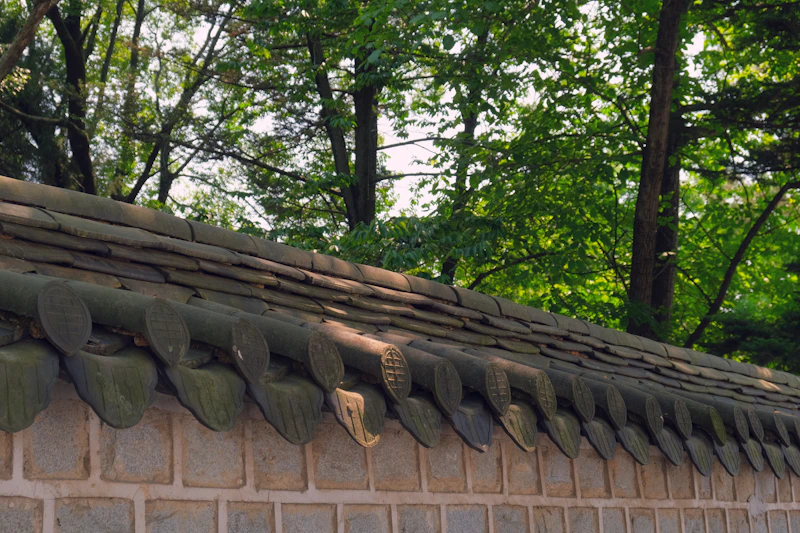
But Jeonju is far more than a food destination. The Jeonju Hanok Village is one of the largest and most beautiful collections of traditional Korean houses anywhere in Korea. Over 700 hanok buildings fill a neighborhood that has remained remarkably intact while the rest of the country modernized at breakneck speed. Walking through these streets feels like stepping back centuries, except with excellent coffee shops and artisan craft stores tucked between the curved tile roofs.
In 2026, Jeonju continues to grow in international recognition. The city has invested heavily in cultural preservation, traditional arts programs, and sustainable tourism. New hanok guesthouses open regularly, the street food scene evolves each season, and the city’s hanji (traditional Korean paper) craft tradition adds yet another cultural layer to explore.
If you only visit Seoul and Busan in Korea, you are missing the heart of Korean culture. Jeonju is where Koreans themselves go to experience their own heritage, and that alone should tell you everything you need to know.
Best Time to Visit Jeonju
Jeonju has a continental climate with four distinct seasons. The city sits inland, so summers are hotter and winters colder than coastal cities like Busan.
| Season | Months | Temperature | Best For | Crowd Level |
|---|---|---|---|---|
| Spring | Mar – May | 10 – 24 C | Cherry blossoms, Jeonju Film Festival, perfect walking weather | High |
| Summer | Jun – Aug | 24 – 33 C | Festivals, vibrant nightlife, makgeolli season | Very High |
| Autumn | Sep – Nov | 10 – 26 C | Bibimbap Festival, fall colors, ideal temperatures | High |
| Winter | Dec – Feb | -4 – 7 C | Budget deals, warm soups, quiet hanok village | Low |
Our pick: Visit in late April to mid-May for the perfect combination of mild weather (18-24 C), cherry blossoms around Deokjin Park, and the Jeonju International Film Festival. The hanok village is gorgeous in spring light, and outdoor dining is at its best.
Also excellent: Late September through October brings the Jeonju Bibimbap Festival, stunning autumn foliage, and comfortable temperatures without summer humidity. This is arguably the most photogenic time to visit the hanok village.
Avoid: Late July through mid-August brings monsoon rains and oppressive humidity. Temperatures often exceed 33 C with high humidity, making walking around the village exhausting. The hanok village is also packed with domestic tourists during summer school holidays.
Budget tip: Winter (December-February) offers the cheapest hanok stays and the most peaceful village experience. Jeonju’s famous hot soups like kongnamul gukbap taste even better in cold weather. Heated ondol floors in traditional hanok rooms are genuinely cozy.
Must-Visit Places in Jeonju
1. Jeonju Hanok Village
The centerpiece of any Jeonju trip and one of the most important cultural heritage sites in South Korea. The Jeonju Hanok Village contains over 700 traditional Korean houses (hanok) concentrated in a single neighborhood, making it the largest urban hanok settlement in the country. Unlike reconstructed tourist villages, many of these buildings are original structures that have been continuously maintained and lived in for generations.
The village is organized around a grid of narrow streets and alleyways. The main road, Taejo-ro, runs through the center and is lined with restaurants, cafes, souvenir shops, and street food vendors. Step off the main drag into the side alleys, though, and you find the real magic: quiet residential hanok with beautiful gardens visible through wooden gates, small workshops where artisans practice traditional crafts, and tiny teahouses serving hand-brewed teas.
Pro tip: Renting a hanbok (traditional Korean dress) is hugely popular here, and wearing one gets you free entry to several attractions including Gyeonggijeon Shrine. Rental shops are everywhere and cost around 15,000-20,000 KRW for two hours. Visit on a weekday morning before 10am for the most peaceful experience. The village is free to enter and open 24 hours, though most shops operate from 10am to 9pm.
Allow: At least half a day, ideally a full day to explore properly without rushing.
2. Gyeonggijeon Shrine
Located within the Hanok Village, Gyeonggijeon Shrine is a royal portrait hall built in 1410 during the Joseon Dynasty. It houses the portrait of King Taejo, the founder of the Joseon Dynasty, who traced his ancestral roots to Jeonju. The shrine complex is surrounded by beautiful grounds with bamboo groves, ancient trees, and traditional gardens that change dramatically with the seasons.
The shrine gained international fame as a filming location for several popular Korean historical dramas. The bamboo forest path within the grounds is one of the most photographed spots in all of Jeonju. In spring, the cherry blossoms framing the traditional buildings create postcard-perfect scenes.
Admission: 3,000 KRW for adults (free if wearing hanbok). Open 9am-7pm (summer) or 9am-6pm (winter). Allow 1-1.5 hours to explore the full grounds.
3. Omokdae and Imokdae
Omokdae is a hilltop pavilion on the southern edge of the Hanok Village that offers the best panoramic view of the entire village and surrounding city. The site has deep historical significance as the place where Yi Seong-gye (later King Taejo) held a victory banquet after defeating Japanese pirates in 1380, years before he founded the Joseon Dynasty.
A short walk from Omokdae leads to Imokdae, another pavilion with sweeping views. The path connecting the two runs along a hillside trail shaded by trees, making it a pleasant walk in any season. At sunset, the view of the hanok rooftops turning golden is extraordinary.
Pro tip: Come 30 minutes before sunset for the best light. The walk up from the village takes about 10 minutes. Free entry. Combine with a visit to the nearby Jeonju Hyanggyo (Confucian school).
4. Jeondong Catholic Cathedral (Jeonju Hanok Cathedral)
One of the most striking buildings in Jeonju and a fascinating contrast to the traditional hanok surroundings. This Romanesque-Byzantine cathedral was built in 1914 and stands at the entrance to the Hanok Village. It is one of the most beautiful churches in Korea, with red and grey brick walls, arched windows, and a dignified presence that has watched over the village for over a century.
The cathedral stands on the site where Korean Catholic martyrs were executed in 1791 and 1801, giving it profound historical significance beyond its architectural beauty. The interior features graceful arched ceilings, stained glass windows, and a serene atmosphere that invites quiet contemplation regardless of your faith.
Visiting: Free entry. Open daily. Mass services are held regularly, so visit outside service times for a quiet experience. The exterior is particularly beautiful when illuminated at night. Allow 20-30 minutes.
5. Nambu Market
Jeonju’s largest and oldest traditional market has been operating since 1905 and remains the beating commercial heart of the city. Nambu Market is where locals shop for produce, dried goods, Korean traditional ingredients, and everyday necessities. It is also home to one of the best night markets in South Korea.
The daytime market is a sprawling maze of vendor stalls selling everything from fresh vegetables and fermented pastes to handmade tofu and local rice wines. The atmosphere is authentically Korean with vendors calling out their wares and ajumma (older Korean women) expertly selecting the best produce.
On Friday and Saturday evenings, the market transforms into the Nambu Night Market, where dozens of food stalls serve creative fusion dishes alongside traditional Korean street food. The night market has become one of Jeonju’s top attractions in its own right, drawing visitors from across the country.
Pro tip: The night market runs from 6pm to midnight on Fridays and Saturdays (hours may vary seasonally). Arrive by 7pm to beat the biggest crowds. Try the market’s famous mayak gimbap (addictive mini rice rolls) and hotteok (sweet filled pancakes). The daytime market is open daily except the second and fourth Sundays of each month.
6. Deokjin Park
A large public park in northern Jeonju famous for its stunning lotus pond. In summer (July-August), the pond is completely covered with lotus flowers in full bloom, creating one of the most beautiful natural scenes in the Jeolla region. A long arched bridge crosses the pond, and walking across it while surrounded by towering lotus plants is genuinely magical.
In spring, the park is lined with cherry blossom trees and becomes one of Jeonju’s best hanami (flower viewing) spots. The park also contains walking trails, a small amusement area, and pavilions for resting. It is a favorite spot for local families and couples on weekend afternoons.
Getting there: About 15 minutes by taxi from the Hanok Village, or take bus 79 or 119. Free entry. Best in July for lotus blooms or April for cherry blossoms. Allow 1-2 hours.
Jeonju Food Guide: Korea’s Greatest Food City
Jeonju is not merely a good food city. It is THE food city of Korea. The Jeolla Province has been considered the culinary heartland of the Korean peninsula for centuries, and Jeonju sits at its center. The city’s designation as a UNESCO Creative City of Gastronomy was a formal recognition of what every Korean already knows: if you want to eat the best Korean food, you go to Jeonju.
What makes Jeonju food special is an obsessive commitment to quality ingredients and preparation. Jeolla Province is Korea’s rice bowl, producing the finest rice in the nation. The region’s banchan (side dish) culture is legendary, with even a simple restaurant meal arriving with a dozen or more small dishes. Portions are generous, prices are reasonable, and the cooking is deeply traditional.
| Dish | What It Is | Price Range | Where to Try |
|---|---|---|---|
| Jeonju Bibimbap | THE original bibimbap – rice topped with 30+ fresh vegetables, gochujang, raw egg yolk, and beef tartare in a brass bowl | 10,000 – 15,000 KRW | Hankookjib, Gajok Hoegwan, Sungmidang |
| Kongnamul Gukbap | Bean sprout rice soup – Jeonju’s beloved breakfast dish served boiling hot with rice submerged in rich broth | 7,000 – 9,000 KRW | Sambaekjib (open since 1950s), Waegeori Kongnamul Gukbap Alley |
| Jeonju Choco Pie | Artisan chocolate pies far superior to the packaged version – fluffy cake, real cream, quality chocolate | 1,500 – 3,000 KRW each | PNB Bakery (the original), shops along Taejo-ro |
| Makgeolli (Rice Wine) | Traditional Korean rice wine – Jeonju’s makgeolli town (Makgeolli Golmok) serves it with endless free side dishes | 10,000 – 15,000 KRW per kettle | Makgeolli Golmok (Makgeolli Alley) in Samcheon-dong |
| Korean BBQ | Grilled pork and beef – Jeolla Province pork is considered among the best in Korea | 12,000 – 25,000 KRW per serving | Restaurants near Gaeksa area, Junghwasan-dong |
| Pajeon (Green Onion Pancake) | Crispy savory pancake loaded with green onions, often paired with makgeolli for the perfect rainy-day combo | 8,000 – 15,000 KRW | Makgeolli Alley restaurants, Nambu Market |
Jeonju Bibimbap: The Original and the Best
Every Korean city claims their local dishes are the best, but with bibimbap, there is no debate. Jeonju bibimbap is the original, and it remains the definitive version. What makes it different from the bibimbap you get in Seoul or abroad is the sheer number and quality of ingredients. Authentic Jeonju bibimbap includes over 30 different toppings: bean sprouts grown in Jeonju’s famous mineral water, fernbrake, spinach, radish, bellflower root, mushrooms, jujubes, ginkgo nuts, pine nuts, raw egg yolk, and seasoned raw beef. It is served in a brass bowl (not the stone pot used elsewhere) with rich, complex gochujang made from locally fermented peppers.
A proper Jeonju bibimbap meal is an event. The main dish arrives surrounded by a constellation of banchan, and the total experience is closer to a royal Korean feast than the quick lunch bibimbap has become in other cities. Do not leave Jeonju without eating bibimbap at least once.
Makgeolli Alley: The Ultimate Korean Drinking Experience
Makgeolli Golmok (Makgeolli Alley) in the Samcheon-dong neighborhood is one of the most unique dining and drinking experiences in all of Korea. Order a kettle of milky, slightly sweet makgeolli (Korean rice wine), and the restaurant brings out plate after plate of complimentary side dishes. These are not token bar snacks. You receive full portions of pajeon, tofu, kimchi, japchae, fried chicken, and more. Order another kettle, and more dishes arrive. The value is extraordinary and the atmosphere is boisterous and joyful.
Makgeolli Alley has been operating this way for decades and remains a beloved tradition. Most restaurants open in the late afternoon and stay busy until late evening. Go with friends if possible because the communal, convivial atmosphere is a huge part of the experience.
Kongnamul Gukbap: The Perfect Breakfast
If bibimbap is Jeonju’s crown jewel, kongnamul gukbap is its daily bread. This deceptively simple bean sprout rice soup is what Jeonju residents eat for breakfast, for hangovers, for comfort, and for practically every occasion. The broth is made by slowly simmering bean sprouts (grown in Jeonju’s mineral water, which local lore credits for their exceptional flavor) until it becomes rich and deeply flavored. A raw egg is cracked into the boiling stone pot, rice is stirred in, and the entire bowl arrives at your table still bubbling furiously.
The best kongnamul gukbap restaurants have been perfecting their recipe for decades. Many open as early as 5am to serve the morning crowd. It is affordable, warming, healthy, and exactly the kind of humble, honest food that defines Jeonju’s culinary identity.
Getting to Jeonju
Jeonju is well connected to Seoul and other major Korean cities. The KTX high-speed train has made it an easy day trip or weekend destination from the capital.
| From | Method | Duration | Cost (one-way) | Frequency |
|---|---|---|---|---|
| Seoul (Yongsan) | KTX high-speed train | 1 hour 30 min | 33,000 – 46,000 KRW | Every 30-60 min |
| Seoul (Express Bus) | Express bus from Central Terminal | 2 hours 40 min | 17,000 – 25,000 KRW | Every 15-30 min |
| Busan | KTX (transfer at Iksan) | 2 hours 30 min | 40,000 – 55,000 KRW | Several daily |
| Incheon Airport | Airport limousine bus | 3 hours 30 min | 28,000 KRW | Several daily |
| Gwangju | Express bus | 1 hour 30 min | 9,000 – 13,000 KRW | Every 30 min |
Our recommendation: Take the KTX from Seoul Yongsan Station. At just 1.5 hours, it turns Jeonju into a comfortable day trip, though we strongly recommend staying at least one night to experience the hanok village in the evening and enjoy the Makgeolli Alley nightlife. Book KTX tickets via the Korail website or app in advance, especially on weekends and holidays.
Getting around Jeonju: The Hanok Village and most major attractions are walkable once you arrive. From Jeonju Station, take bus 119, 142, or 165 to the Hanok Village (about 15 minutes). Taxis within the city are affordable, rarely exceeding 5,000 KRW for trips within the central area. The city also offers a hop-on-hop-off tourist bus that connects major sites for 5,000 KRW per day.
Where to Stay in Jeonju
Staying in a traditional hanok guesthouse is one of the highlights of visiting Jeonju and something we strongly recommend. Sleeping on a yo (thin mattress) on a heated ondol floor inside a centuries-old wooden building is an experience you simply cannot get in a modern hotel. Many hanok stays include traditional Korean breakfast and the chance to participate in cultural activities like tea ceremony or hanji papermaking.
The Jeonju Hanok Village has dozens of hanok guesthouses ranging from basic budget rooms to luxurious renovated hanok with modern amenities. Staying inside the village means you can explore the quiet morning streets before the day-trippers arrive and enjoy the atmospheric lantern-lit alleys at night.
For those who prefer modern comforts, several quality hotels and motels are located just outside the village within easy walking distance.
Recommended Jeonju Accommodations
Hanok Stays (Traditional Experience):
- Yeonwoodang Hanok – A beautifully maintained traditional hanok in the heart of the village. Authentic ondol heated rooms, peaceful courtyard garden, and warm hospitality from the owners. One of the most popular hanok stays for a reason.
- Haengbokhyun Hanok Dockchae Pension – A charming pension-style hanok offering a wonderful balance of traditional architecture and modern convenience. Great for couples and families who want the hanok experience with a few extra comforts.
- Cheongsachorong Taejoro Pension – Located right on the main Taejo-ro street, this pension offers easy access to all the village attractions. Clean, well-maintained rooms with traditional Korean aesthetics and friendly staff.
Modern Hotels:
- Gloucester Hotel Jeonju – The best modern hotel option near the Hanok Village. Western-style rooms with full amenities, on-site restaurant, and professional service. Ideal if you want air conditioning and a proper bed after a day of village exploration.
- Jeonju Story Motel – A solid budget option with clean, modern rooms just outside the village. Korean motels (called “motel” but functioning as budget hotels) offer excellent value with amenities like big TVs, fast wifi, and toiletries included.
Pro tip: Book hanok stays well in advance for weekend visits, especially during spring (April-May) and autumn (September-October) peak seasons. Weekday rates are often 30-50% cheaper than weekends.
Jeonju Budget Breakdown
Jeonju is one of the most affordable travel destinations in South Korea. Food costs less than Seoul, accommodation (especially hanok stays) offers exceptional value, and most major attractions are free or nearly free to enter.
| Category | Budget ($35-55/day) | Mid-Range ($55-90/day) | Comfort ($90-130/day) |
|---|---|---|---|
| Accommodation | Budget hanok or motel: $20-30 | Mid-range hanok: $40-60 | Premium hanok or hotel: $60-90 |
| Food | Street food and local restaurants: $10-18 | Mix of restaurants and cafes: $18-30 | Full restaurant meals with drinks: $25-40 |
| Transport | Walking and buses: $2-5 | Mix of bus and taxi: $5-10 | Taxis and comfort transport: $8-15 |
| Activities | Free attractions and walking: $0-5 | Hanbok rental and entry fees: $5-15 | Full experiences and cultural classes: $10-20 |
| Daily Total | $35-55 | $55-90 | $90-130 |
Money-saving tips: Many of Jeonju’s best attractions (Hanok Village, Omokdae, Deokjin Park) are completely free. Wearing a rented hanbok gets you free entry to Gyeonggijeon Shrine and other paid sites. Kongnamul gukbap restaurants serve enormous, filling meals for under $6. Makgeolli Alley gives you practically unlimited side dishes with your drinks. Jeonju is a city where you can eat like royalty on a backpacker budget.
2-Day Jeonju Itinerary
Two days is the ideal amount of time to experience Jeonju’s highlights without rushing. Here is our recommended itinerary that balances major attractions, food experiences, and cultural immersion.
| Time | Day 1: Hanok Village Deep Dive | Day 2: Markets, Culture, and Beyond |
|---|---|---|
| 8:00 AM | Arrive by KTX from Seoul. Drop bags at hanok guesthouse | Kongnamul gukbap breakfast at Sambaekjib (opens early) |
| 9:30 AM | Rent hanbok, explore Hanok Village streets | Walk to Deokjin Park for lotus pond or seasonal flowers |
| 11:00 AM | Gyeonggijeon Shrine and bamboo forest (free with hanbok) | Jeonju National Museum for Jeolla Province history |
| 12:30 PM | Jeonju bibimbap lunch at Hankookjib or Gajok Hoegwan | Korean BBQ lunch near Gaeksa area |
| 2:00 PM | Jeondong Catholic Cathedral and surrounding streets | Explore Gaeksa area, Jeonju crafts and hanji workshops |
| 3:30 PM | PNB Bakery for choco pie, cafe hopping in village alleys | Return hanbok if rented for two days, pack up |
| 5:00 PM | Climb to Omokdae pavilion for sunset over hanok rooftops | Last-minute shopping for souvenirs and local snacks |
| 6:30 PM | Evening stroll through lantern-lit village streets | Nambu Night Market (Fri/Sat) or farewell dinner |
| 8:00 PM | Makgeolli Alley in Samcheon-dong for rice wine and banchan | KTX back to Seoul (last train around 10pm) |
Day 1 focuses on immersing yourself in the Hanok Village and its immediate surroundings. The village is best explored slowly, and you will want plenty of time to wander the side streets, pop into craft shops, and try various street foods. End the day with a sunset at Omokdae and a festive evening at Makgeolli Alley.
Day 2 expands beyond the village to cover Jeonju’s broader cultural attractions. Start with the city’s signature breakfast soup, visit the beautiful Deokjin Park, and explore the historic Gaeksa area. If your second day falls on a Friday or Saturday, time your evening around the Nambu Night Market for a perfect finale.
Got more time? With a third day, consider a day trip to Maisan Provincial Park (famous for its twin horse-ear peaks and stone pagoda temple), visit the Jeonju Hanok Paper Museum for a hanji-making experience, or take a cooking class to learn how to make authentic Jeonju bibimbap at home.
Frequently Asked Questions
Is Jeonju worth visiting for just a day trip from Seoul?
Yes, Jeonju makes an excellent day trip thanks to the 1.5-hour KTX connection. You can see the Hanok Village, eat bibimbap, visit Gyeonggijeon Shrine, and climb Omokdae in a full day. However, we strongly recommend staying overnight to experience the evening atmosphere of the village and visit Makgeolli Alley. The hanok village at night, lit by lanterns with far fewer tourists, is a completely different and more magical experience than during the day.
Do I need to speak Korean to visit Jeonju?
No. The Hanok Village is very tourist-friendly with bilingual signage throughout. Most restaurants have picture menus or English translations. Younger staff at cafes and guesthouses generally speak basic English. However, Jeonju is less English-friendly than Seoul or Busan. Having a translation app like Papago on your phone is highly recommended. Learn a few basic Korean phrases and you will be warmly received.
What is the best bibimbap restaurant in Jeonju?
This is fiercely debated among locals and visitors alike. Hankookjib and Gajok Hoegwan are the two most famous and consistently excellent choices, both operating for decades. Sungmidang is another local favorite. Honestly, the quality of bibimbap across Jeonju is remarkably high, and even less-famous restaurants serve exceptional versions. Avoid the very tourist-heavy spots on the main Taejo-ro strip and instead look for restaurants filled with Korean diners.
Is it worth staying in a hanok guesthouse?
Absolutely. Sleeping in a traditional hanok is one of the defining experiences of visiting Jeonju and something you cannot easily replicate elsewhere. The heated ondol floors are surprisingly comfortable, the traditional architecture is beautiful, and waking up in a quiet hanok courtyard is genuinely special. Modern hanok guesthouses have added updated bathrooms and amenities while preserving the traditional character. If you have any interest in Korean culture and history, a hanok stay is essential.
How much time do I need in Jeonju?
Two days and one night is the sweet spot for most visitors. This gives you enough time to thoroughly explore the Hanok Village, eat at several top restaurants, visit the major sights, and experience the evening culture. One day works for a focused visit, and three days allows for day trips to nearby attractions like Maisan Provincial Park or deeper cultural experiences like cooking classes and hanji workshops.
Can I visit Jeonju with kids?
Jeonju is excellent for families. Kids love wearing hanbok and exploring the village, the street food is fun and approachable, and Deokjin Park has play areas. The flat, walkable layout of the Hanok Village is stroller-friendly on the main streets (though some side alleys are narrow). Many hanok guesthouses welcome families, and Korean restaurants are universally kid-friendly. The Jeonju Choco Pie alone will win over any child.